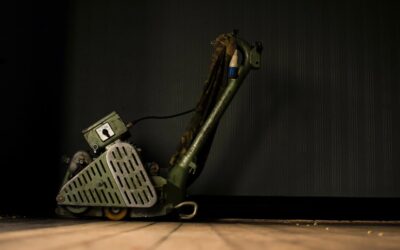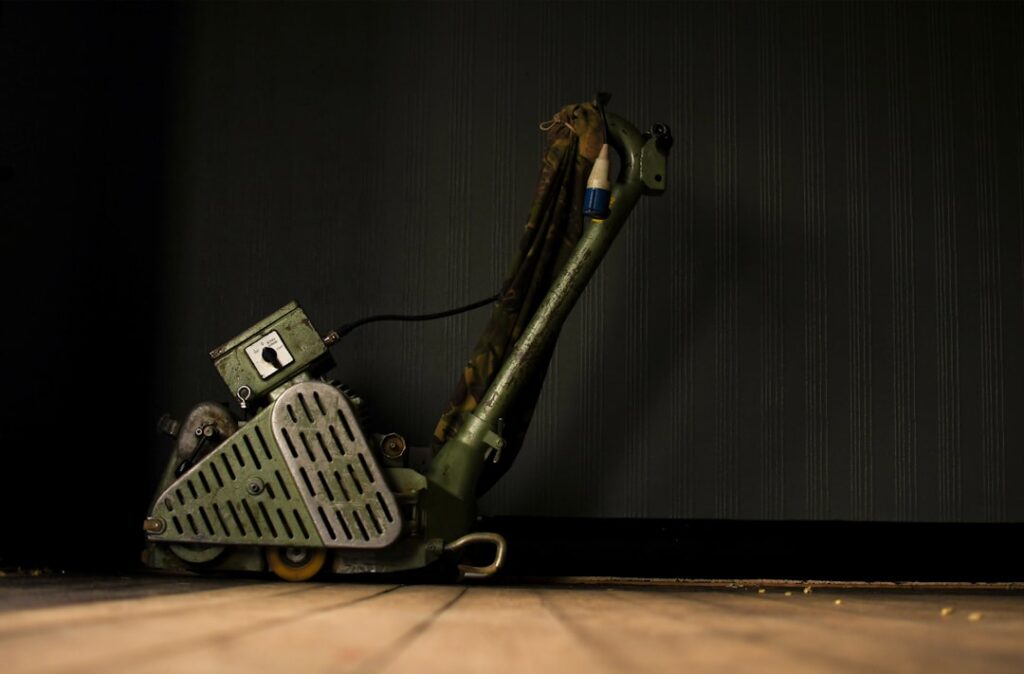
Ripping up old flooring by hand is one of the most brutal jobs in home renovation — a full day on your knees with a hand scraper for a single room, and blistered hands to show for it. A floor scraper machine rental turns that misery into a few hours of standing work, powering through old tile, vinyl, adhesive, and carpet backing that would otherwise wreck your back. For $60 to $120 a day, it is one of the best rental bargains in demolition. Here is what to rent and how to run it.
What a Floor Scraper Machine Does
A powered floor scraper drives a wide, sharp blade forward under the flooring at a low angle, shearing the material and its adhesive off the subfloor. Instead of chipping tile by tile, the machine’s weight and motor do the work while you guide it. It is the fastest way to strip a floor down to bare concrete or subfloor before you install something new.
These machines shine on stubborn adhesives — the black mastic under old vinyl, thinset under tile, and glued-down engineered wood or LVP. What takes hours by hand takes minutes with the right machine.
Types You Can Rent
Rental yards carry a few categories, and picking the right one saves time and money.
Walk-Behind Electric Scrapers
The most common rental for homeowners. You stand and push a self-propelled or manual unit with a wide oscillating or fixed blade. Great for medium to large rooms of vinyl, VCT, carpet, and adhesive. Corded electric versions run $60 to $100 per day.
Ride-On Scrapers
Heavy commercial machines you sit on, used for big open areas like basements, commercial spaces, or whole-house tile removal. Powerful but pricey — $250 to $500-plus per day — and usually overkill for a single room.
Handheld Power Scrapers
Compact electric or pneumatic units for stairs, closets, and tight corners the walk-behind can’t reach. Often $40 to $70 per day, and a smart companion to a larger machine.
What It Costs to Rent
Budget beyond the sticker price. A realistic rental breakdown:
- Walk-behind electric: $60 to $120 per day
- Ride-on: $250 to $500 per day
- Handheld: $40 to $70 per day
- Replacement blades: $10 to $30 each — buy a spare; blades dull on tile
- Deposit: often required, refundable on return
Weekend and multi-day rates usually offer a discount over the daily. Compare that to paying a demo crew $2 to $5 per sq ft to tear out flooring, and the rental pays for itself on almost any job.
Choosing the Right Blade
The blade is the whole game. Rental yards offer different widths and profiles:
- Wide flat blade (8 to 12 inches): for sheet vinyl, carpet, and adhesive on open floors
- Narrow blade: more concentrated force for stubborn ceramic tile and thinset
- Angled/scraper blade: for hardened mastic and stuck-on residue
Ask the rental counter to match the blade to your specific flooring. Using a wide blade on hard tile bogs the machine down; using a narrow blade on vinyl wastes time.
How to Use One Safely and Effectively
These machines are powerful and can grab and lurch, so respect them. Follow this approach:
- Gear up. Safety glasses, hearing protection, gloves, steel-toe boots, and a dust mask — tile removal creates silica dust.
- Clear and score. Remove baseboards and, for tile, break a starting edge with a hammer so the blade can get under the first pieces.
- Set the blade angle low. A shallow attack angle slides under the material rather than digging into the subfloor.
- Let the machine pull. Guide it forward in steady rows; do not force it. Reposition rather than fighting the handle.
- Work in sections and clear debris as you go so you have a clean surface to stand on.
Keep the cord out of the blade path on electric units, and never lift or tilt the machine while the blade is running.
Protecting the Subfloor
The goal is to remove the old flooring without gouging what is underneath. On a concrete slab, a few scratches are fine, but on a wood subfloor keep the blade angle shallow so you shear the adhesive without carving into the plywood. If you are removing tile over a wood subfloor, expect to do some hand-scraping of residual thinset and possibly patch the surface before new flooring goes down.
Have a floor scraper by hand, a shop vac, and heavy-duty contractor bags ready. The demo dust and debris pile up fast, and a clean subfloor is essential before any new floor goes in.
Is Renting Worth It?
For any tear-out bigger than a small closet, a floor scraper machine rental is absolutely worth the money. It saves your back, cuts a full day of labor down to a couple of hours, and costs a fraction of hiring demo help. Match the machine and blade to your flooring, gear up properly, keep the blade angle low, and you will have a clean subfloor ready for the next installation by lunchtime.
When Renting Beats Hand-Scraping
Pulling up old flooring by hand with a putty knife is brutal, slow work, and that is exactly where a rental floor scraper earns its cost. A powered walk-behind or ride-on scraper uses a vibrating or oscillating blade to shear adhesive, thinset, and stubborn tile or vinyl off the subfloor in a fraction of the time and with a fraction of the back strain. For anything larger than a small closet, or for tenacious materials like ceramic tile set in mortar or glued-down vinyl, the machine is well worth the rental fee.
Expect rental rates roughly in the range of $60 to $200 per day depending on the machine size, which is cheap next to days of manual labor.
Using the Machine Safely and Well
A floor scraper is powerful and takes a bit of technique. Choose the right blade for the material, tile, vinyl, carpet glue, and set the blade angle so it slides just under the flooring rather than digging into the subfloor. Keep a firm grip and let the machine’s weight and vibration do the work; forcing it invites gouges in the slab. Work in manageable sections and clear debris as you go so you can see the surface. Wear eye protection, gloves, hearing protection, and steel-toe boots, since blades and shards are sharp. On a wood subfloor, take extra care not to chew into the plywood. Done right, a rented scraper turns a demoralizing demolition into a manageable afternoon and leaves a clean substrate ready for new flooring.
Prefer to explore on your own?
See how new flooring looks in your actual room in seconds — free, no signup.
Try the free Floor Studio →