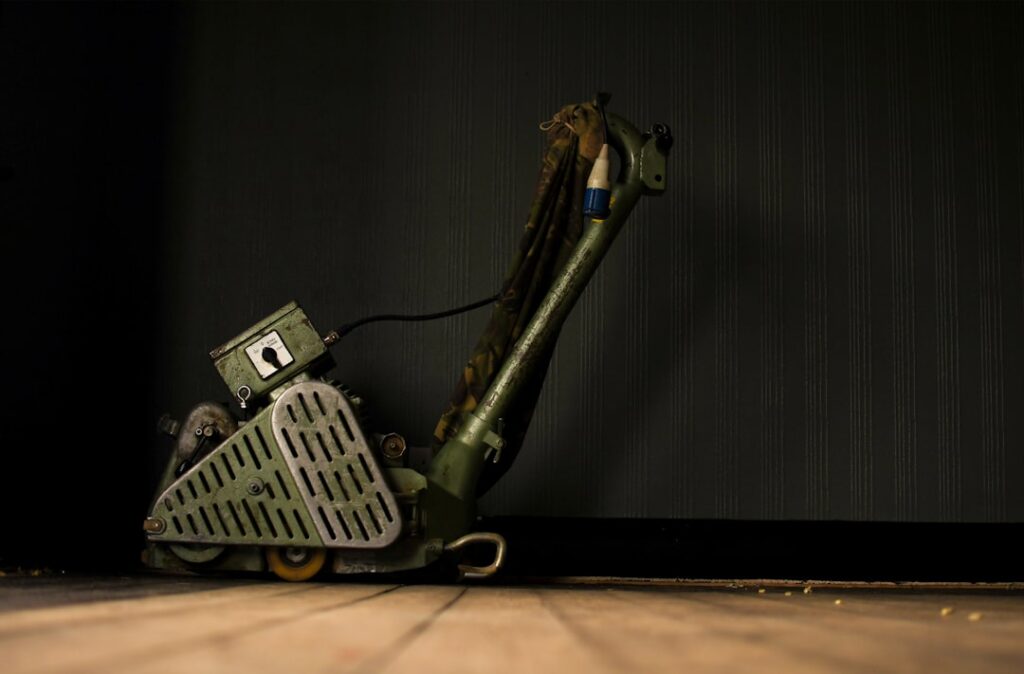
A floor scraper machine is a powered tool that strips old flooring, tile, vinyl, carpet adhesive, and stubborn mastic off a subfloor far faster than a hand scraper ever could. Removing old flooring is one of the most physically punishing parts of any renovation, and the right machine turns days of backbreaking work into hours. Whether you rent a walk-behind model or a ride-on unit, understanding the types, costs, and safe operation will help you tackle removal efficiently and avoid damaging the subfloor underneath.
What a Floor Scraper Machine Does
At its core, a powered floor scraper drives a sharp steel blade under the flooring material at a low angle, using the machine’s weight and motor to break the bond between the flooring and the subfloor. As the operator advances, the blade peels up tile, sheet vinyl, glued-down planks, carpet, or hardened adhesive. The machine’s mass keeps the blade flat and forces it forward, doing the heavy work that would otherwise take hours of chiseling and prying by hand.
Types of Floor Scraper Machines
There are several styles, scaled to the size of the job.
- Handheld power scrapers: Small electric or pneumatic tools with a reciprocating or oscillating blade. Best for stairs, edges, small rooms, and detail work.
- Walk-behind scrapers: Upright machines you push and steer, typically electric. The most popular rental for homeowners removing tile or vinyl in a few rooms.
- Ride-on scrapers: Large, heavy machines the operator rides, used for big commercial floors and whole-house removals. They strip material fastest but are heavy, expensive to rent, and best for large square footage.
Renting vs. Buying
For most homeowners, renting makes the most sense. These machines are expensive to buy and rarely needed more than once. Home centers and tool-rental yards rent walk-behind scrapers for roughly $50 to $150 per day, while larger ride-on units run several hundred dollars per day plus delivery, since they are too heavy to transport in a standard vehicle. Factor in the cost of replacement blades, which dull quickly on tile and adhesive. Renting also means you get a machine that has been maintained and sharpened, ready to work.
Choosing the Right Machine for the Job
Match the machine to the material and the area. For a single bathroom or a stairway, a handheld power scraper is enough. For a kitchen, living room, or several rooms of tile or glued vinyl, a walk-behind unit is the sweet spot. Reserve a ride-on machine for large open spaces, basements, or whole floors where the time savings justify the cost and hauling. Also consider the material: ceramic and porcelain tile demand a tougher, heavier machine than peeling up carpet or sheet vinyl.
Safety First
A floor scraper machine combines a sharp, fast-moving blade with a powerful motor and a lot of weight, so respect it.
- Wear protection: Safety glasses or a face shield, hearing protection, sturdy gloves, and steel-toe boots. Flying tile shards and the blade itself are real hazards.
- Control the dust: Tile and adhesive removal creates fine dust that may contain silica. Wear an appropriate respirator, ventilate the area, and consider dust-control methods. Older adhesives and tiles can contain asbestos.
- Test for asbestos: In homes built before the 1980s, old vinyl tile, sheet flooring, and mastic may contain asbestos. Have suspect materials tested before disturbing them; if positive, hire a licensed abatement professional.
- Keep the blade away from your body and never reach under a running machine. Unplug or shut it off before changing blades.
How to Use a Walk-Behind Scraper
Operating a walk-behind scraper is straightforward once you set up correctly.
- Clear the room and remove baseboards and transitions so you can reach the edges.
- Install a sharp blade at the proper angle, usually a shallow angle so it slides under the material rather than digging into the subfloor.
- Start in a corner or along a seam, easing the machine forward so the blade catches under the flooring.
- Work in steady passes, letting the machine’s weight do the cutting; do not force it.
- Adjust the blade angle as needed for different materials, and swap in a fresh blade when cutting slows.
- Use a handheld scraper for edges, corners, and spots the machine cannot reach.
Protecting the Subfloor
The goal is to remove the flooring without gouging the subfloor you plan to reuse. Keep the blade angle shallow so it skims along the surface rather than digging in. On wood subfloors, watch that the blade does not splinter or carve into the plywood. On concrete, you can be more aggressive with adhesive, but still avoid chipping the slab. If you damage the subfloor, you may need to patch or level it before installing new flooring, which adds time and cost.
Choosing and Maintaining the Blade
The blade does the actual work, and matching it to the material makes the difference between an easy strip and a fight. Wide, flexible blades suit sheet vinyl and carpet, while narrower, stiffer blades concentrate force to pop ceramic and porcelain tile. Self-scoring or notched blades help on stubborn glued-down material. Blades dull fast on tile and hardened adhesive, so a rental usually includes spares, and you should swap to a fresh edge the moment cutting slows, since a dull blade forces you to push harder and risks gouging the subfloor. When changing blades, always cut power and unplug the machine, and handle the steel carefully, as the edges are sharp even when worn.
Cleanup and Debris Disposal
Stripping a floor generates a surprising volume of heavy debris, and planning for it keeps the job moving. Broken tile, peeled vinyl, and scraped adhesive pile up quickly, so stage contractor-grade trash bags or a debris bin nearby and clear the work area in stages rather than letting piles block the machine. Tile is dense and heavy, so do not overfill bags. Sweep and vacuum residual dust with a HEPA-rated shop vacuum, especially after any tile work where silica dust is a concern. If you tested positive for asbestos earlier, do not handle disposal yourself; licensed abatement professionals must bag, label, and dispose of those materials under regulated procedures.
Final Thoughts
A floor scraper machine is the fastest, least exhausting way to strip old tile, vinyl, carpet adhesive, and mastic from a subfloor. For most homeowners, renting a walk-behind unit hits the sweet spot of power and cost. Match the machine to the material and area, take dust and asbestos precautions seriously, wear proper protection, and keep the blade angle shallow to spare the subfloor. With the right machine and safe technique, you can clear the way for new flooring in a fraction of the time.
Prefer to explore on your own?
See how new flooring looks in your actual room in seconds — free, no signup.
Try the free Floor Studio →