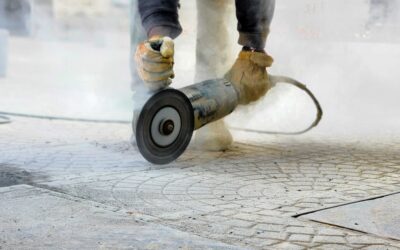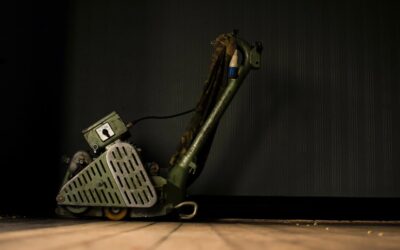
Chiseling up an old tile floor by hand is one of the most miserable jobs in home renovation, and it is exactly why a tile scraper rental pays for itself in a single afternoon. A powered floor scraper can strip a room of tile and thinset in a fraction of the time and with a fraction of the sweat that a hammer and manual chisel demand. But there are different machines for different jobs, and knowing which to rent, what it costs, and how to run it safely will save you money and grief. Here is the honest breakdown.
Part of our Tile & Grout guide — explore the full guide →
- Why Rent Instead of Buy
- Walk-Behind Scrapers: The Heavy Hitters
- Handheld Power Scrapers: Precision Demo
- Honest Rental Rates
- Dust, Safety, and Setup
- What to Check Before You Leave the Rental Yard
- Sizing the Job to the Right Machine
- Cleanup and Disposal
- When to Rent Versus Hire It Out
- Running the Machine
Why Rent Instead of Buy
Power floor scrapers are expensive, heavy, professional-grade machines that most homeowners will use exactly once. Buying one makes no sense for a single kitchen or bathroom demo. Renting gives you the muscle of a commercial tool for a day or two at a small fraction of the purchase price, and you hand it back when the mess is done. Rental yards and home improvement stores keep these machines in stock precisely because tile demo is such a common weekend project.
Walk-Behind Scrapers: The Heavy Hitters
A walk-behind or ride-on floor scraper is the machine for large areas. You stand behind it and steer as a wide, angled blade oscillates or drives forward under the tile, popping pieces loose along with the thinset beneath. These machines chew through hundreds of square feet quickly and are the right choice for a whole floor, an open living area, or several rooms of tile.
The tradeoff is weight and maneuverability. Walk-behinds are heavy, sometimes 100 pounds or more, and they need space to work. They are overkill and hard to steer in a small bathroom, and getting one down basement stairs is a two-person job. For big open floors, though, nothing is faster.
Handheld Power Scrapers: Precision Demo
For bathrooms, closets, edges, and stubborn thinset a walk-behind cannot reach, a handheld electric or pneumatic scraper is the tool. These look like a heavy-duty reciprocating tool with a flat chisel blade, and they let you work up to walls, into corners, and around fixtures with control. They are lighter and far easier to transport, and many people rent both a walk-behind for the field and a handheld for the detail work.
- Walk-behind: large open floors, fastest removal, heavy and bulky.
- Handheld: small rooms, edges, corners, and thinset cleanup; portable and precise.
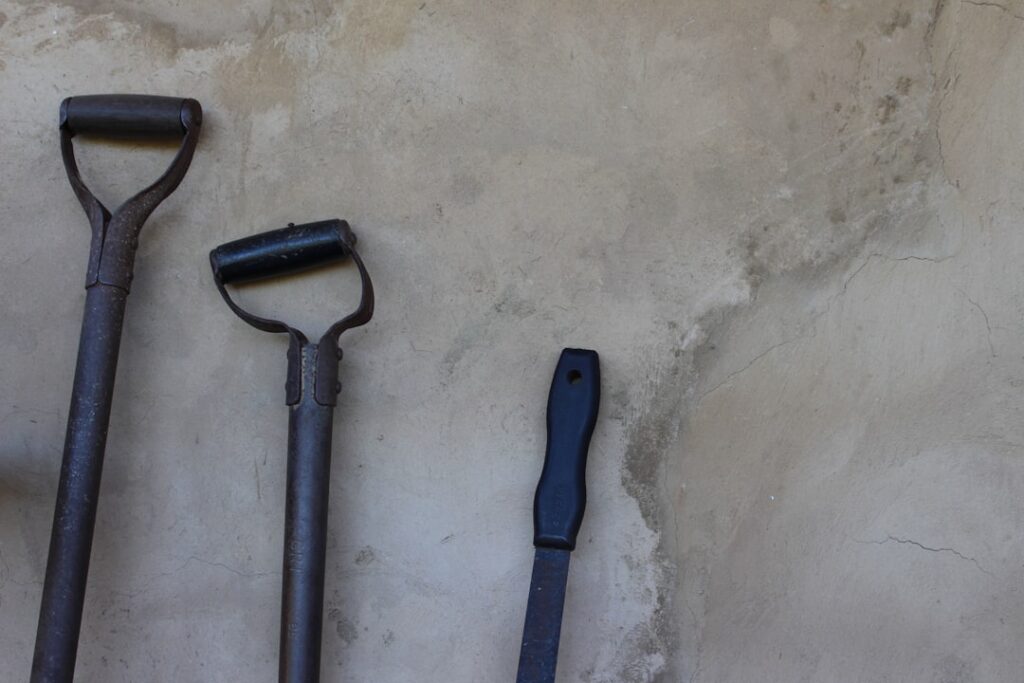
- Manual scraper: a long-handled floor scraper for touch-ups and light jobs, cheap to rent or own.
Honest Rental Rates
Rental pricing varies by region, machine size, and rental company, so treat any number as a ballpark and call your local yard for exact quotes. In general, expect handheld power scrapers to sit at the lower end of the daily rate scale, while heavy walk-behind and ride-on machines command more per day and often require a deposit. Many rental outfits offer four-hour, daily, and weekly rates, and the daily rate is usually the sweet spot for a single-room demo. Ask whether replacement blades are included, since dull blades slow you down dramatically.
Before you rent, measure your square footage and estimate honestly how long the job will take. Renting for a half day and finishing in time beats paying for a full day you did not need, but underestimating means a second trip and a second rental fee.
Dust, Safety, and Setup
Tile demo is dusty and loud, and the dust can contain crystalline silica from the tile, thinset, and old mortar, which is a genuine respiratory hazard. Protect yourself and the house.
- Wear a NIOSH-rated N95 or half-mask respirator, safety glasses, ear protection, and steel-toe boots.
- Seal off doorways with plastic sheeting and run a fan venting out a window to control dust migration.
- Mist the floor lightly or use a machine with dust control where available to knock down airborne silica.
- Wear heavy gloves; broken tile edges are razor sharp.
What to Check Before You Leave the Rental Yard
A few minutes of inspection at the counter saves a wasted trip. Confirm the blade is sharp and ask whether a spare or replacement is included, since a dull blade turns a fast job slow. Test that the machine powers on and the blade oscillates or drives properly. Ask for a quick operating demo if you have never run that model. Confirm the cord length and whether you need an extension or a generator for a spot without a nearby outlet. And clarify the return policy on time, fuel, and cleaning so you are not surprised by fees.
Sizing the Job to the Right Machine
Matching the machine to the room is the difference between an efficient day and a frustrating one. For a single small bathroom, a handheld scraper alone often does the whole job and is far easier to transport and control. For a kitchen or a single large room, a walk-behind handles the open field fast while a handheld cleans the edges and corners. For a whole floor of a house or multiple rooms, the walk-behind or a ride-on machine is worth the extra rental cost in time saved. Renting a machine that is too big for a small space just makes the work harder.
Cleanup and Disposal
Tile demo produces a surprising volume of heavy, sharp debris. Plan disposal before you start, since broken tile and thinset are dense and can overload standard trash service. Many people rent a small dumpster or make dump runs with contractor-grade bags doubled for strength. Shovel debris into buckets rather than overfilling bags, because a bag full of tile is heavy enough to break and slice through. Sweep and vacuum the fine dust with a HEPA-rated shop vacuum rather than a broom alone to avoid kicking silica back into the air.
When to Rent Versus Hire It Out
Renting a scraper and doing the demo yourself saves real money, but it is not always the right call. Weigh the physical demands honestly, since even a powered scraper is heavy, dusty work that leaves you sore. For a small room and a willing weekend, DIY demo with a rental machine makes clear sense. For a large multi-room job, a floor glued down over a stubborn old adhesive, or a situation where you would rather not deal with silica dust and disposal, hiring a demo crew that brings its own equipment may be worth the cost. There is no shame in renting the handheld for the edges and leaving the heavy field work to pros.
Running the Machine
Let the machine do the work rather than forcing it. Start at a broken or open edge, keep the blade at a low angle to slide under the tile, and work in steady rows. Keep the power cord behind you and clear of the blade. Take breaks, since even a powered scraper is physical work, and clear debris as you go so you are not walking on loose, sharp tile. A well-chosen tile scraper rental turns a brutal multi-day chore into a manageable one-day job, provided you match the machine to the room and respect the dust.
Prefer to explore on your own?
See how new flooring looks in your actual room in seconds — free, no signup.
Try the free Floor Studio →