The pattern you choose for your flooring can transform a room just as dramatically as the material or color itself. A simple straight lay creates a clean, modern look, while a herringbone pattern adds instant elegance and visual complexity. This guide covers every major flooring pattern, explains which materials work with each, and helps you decide which pattern suits your space, skill level, and budget.
Straight Lay (Running Bond)
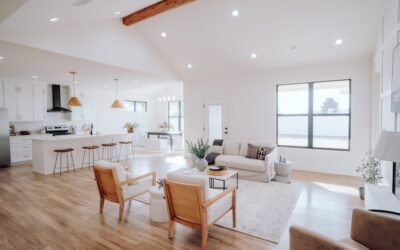
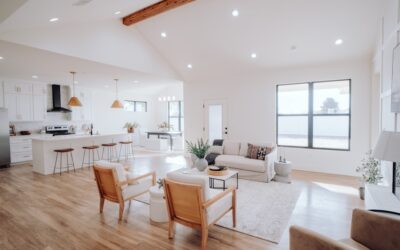
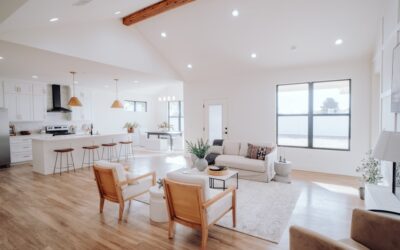
The straight lay, also called a running bond or brick pattern, is the most common flooring layout. Planks or tiles are installed in parallel rows running in one direction, with each row offset from the previous one. The offset is typically half the plank length (50 percent offset) or one-third (33 percent offset), though many manufacturers recommend a random stagger for the most natural appearance.
Best Materials
Straight lay works with every flooring material. It is the standard installation pattern for hardwood, laminate, vinyl plank, and rectangular tiles. It is also the easiest pattern to install and produces the least waste, typically only 5 to 10 percent.
Design Effect
Running planks parallel to the longest wall makes a room feel longer and more spacious. Running them perpendicular to the longest wall adds width. In hallways and narrow spaces, always run planks lengthwise to guide the eye and avoid a choppy look.
Staggered Pattern
A staggered pattern is essentially a straight lay with intentionally varied offsets. Rather than maintaining a consistent half or third offset, each row starts at a random point, creating a more organic, natural appearance. This is the recommended pattern for most modern plank flooring products.
Stagger Guidelines
Most manufacturers specify a minimum stagger distance, often 6 to 8 inches between adjacent end joints. Avoid creating H-patterns (where every other row aligns) or staircase patterns (where each row steps uniformly). The goal is randomness. Open multiple boxes at once and vary your starting plank length to achieve this.
Best Materials
Random stagger is ideal for hardwood, engineered wood, laminate, LVP, and SPC flooring. It disguises the repeating print patterns in manufactured flooring and mimics how real wood floors look when boards of varying lengths are used.
Herringbone Pattern
Herringbone is a classic V-shaped pattern where rectangular pieces are laid at 90-degree angles to each other, creating a zigzag effect. The pattern dates back to ancient Rome and has been used in flooring for centuries, particularly in European homes and grand estates.
How It Works
Each piece is a single plank or tile, typically shorter and narrower than standard planks. The first piece is placed at a 45-degree angle to the wall, and subsequent pieces interlock at right angles. The installation is more complex than a straight lay, requiring precise cutting along walls and a careful starting point to ensure the pattern is centered and symmetrical.
Best Materials
Herringbone works beautifully with solid hardwood, engineered wood, LVT/LVP (some brands offer dedicated herringbone planks), and ceramic or porcelain tile. Some laminate manufacturers also offer herringbone-specific products with modified click-lock systems.
Design Effect
Herringbone adds elegance, movement, and a sense of craftsmanship to any room. It works particularly well in entryways, living rooms, and kitchens. The pattern can make a room feel wider if oriented across the width, or longer if oriented along the length. In large open spaces, it creates a stunning focal point.
Waste and Cost
Expect 10 to 15 percent material waste for herringbone installations due to the angle cuts required at walls and borders. Labor costs are also higher, typically 30 to 50 percent more than a standard straight lay, reflecting the additional time and skill required.
Chevron Pattern
Chevron looks similar to herringbone but has a key difference: each plank is cut at an angle on both ends so that when two planks meet, they form a clean, continuous V shape. Herringbone creates a broken zigzag because each plank retains its rectangular shape.
How It Differs from Herringbone
In chevron, the ends of adjacent planks meet in a perfect point, creating straight lines running down the center of each column. In herringbone, the planks stagger at the meeting points. Chevron looks more streamlined and geometric, while herringbone feels more traditional and organic.
Best Materials
Chevron is most commonly used with engineered hardwood and solid hardwood. It also works with specialty LVT products and tile. The angled cuts make this pattern slightly more complex and wasteful than herringbone, as every single plank must be cut.
Design Effect
Chevron creates strong directional lines that draw the eye toward a focal point, like a fireplace or a window. It conveys modernity and sophistication and works exceptionally well in contemporary and mid-century modern interiors.
Basketweave Pattern
The basketweave pattern mimics the look of woven fabric or a wicker basket. Square groupings of rectangular pieces are laid in alternating orientations, with each group perpendicular to its neighbors. A small square accent tile is sometimes placed at the intersections for added detail.
How It Works
Two or three narrow rectangular tiles are grouped together to form a square. The next group is rotated 90 degrees. This alternating pattern continues across the floor. Some variations include a dot tile at each corner where four groups meet.
Best Materials
Basketweave is primarily a tile pattern, working beautifully with marble, ceramic, porcelain, and natural stone. It can also be achieved with small-format wood pieces, though this is rare and labor-intensive. Some LVT manufacturers offer basketweave as a pre-printed design within a standard plank or tile format.
Design Effect
Basketweave creates a classic, refined look often associated with traditional bathrooms, foyers, and historic homes. It adds visual texture without being as bold as herringbone or chevron, making it a good choice for those who want pattern without overwhelming a space.
Diagonal Pattern
A diagonal layout runs planks or tiles at a 45-degree angle to the walls instead of parallel. The installation technique is otherwise the same as a straight lay, but the angled orientation creates an entirely different visual effect.
Best Materials
Diagonal patterns work with any plank or tile material, including hardwood, laminate, vinyl, and ceramic tile. However, the increased waste (typically 15 to 20 percent due to angle cuts at every wall) makes it a more expensive option regardless of material choice.
Design Effect
Diagonal flooring makes rooms feel larger by drawing the eye along the longest dimension of the room (corner to corner). It adds visual interest to square rooms that might otherwise feel boxy. Diagonal tile is popular in bathrooms and kitchens for its ability to visually expand the space.
Random Pattern
Random patterns use pieces of varying widths and sometimes varying lengths, installed without a repeating sequence. This creates an organic, artisanal look that is especially popular in rustic and farmhouse-style interiors.
Best Materials
Random width installations are most common with hardwood and engineered wood. Typical combinations include three different widths, such as 3-inch, 5-inch, and 7-inch planks. Some natural stone installations also use random patterns, particularly with flagstone and slate where pieces are naturally irregular.
Design Effect
Random width floors create a sense of authenticity and historical character. They look like floors that evolved over time, with boards milled from different logs and added as available. This pattern adds tremendous visual warmth and personality to a space.
Versailles (French) Pattern
The Versailles pattern is a complex geometric layout featuring interlocking squares and rectangles arranged in a woven design. Named after the Palace of Versailles, where this parquet pattern was first used, it is the ultimate statement in flooring design.
Best Materials
Traditional Versailles parquet uses solid or engineered hardwood, though modern tile manufacturers also produce Versailles-pattern porcelain tiles in large formats. Pre-made Versailles panels are available in engineered wood, simplifying installation considerably.
Design Effect
Versailles flooring screams luxury and old-world elegance. It works best in large, formal rooms like dining rooms, libraries, and grand entryways. The intricate geometric pattern demands attention and becomes the room’s primary design element.
Brick Pattern (Offset)
The brick pattern, or half-offset pattern, is a specific variation of the straight lay where each row is offset by exactly half the length of the tile or plank. This creates the familiar staggered look of a brick wall turned sideways.
Best Materials
Brick pattern is most common with subway-shaped tiles in ceramic and porcelain, but it works with any rectangular flooring material. It is a popular choice for tile flooring in kitchens, bathrooms, and backsplashes.
Design Effect
The uniform offset creates a clean, orderly appearance that feels structured but not monotonous. It is a step up from a basic grid layout while remaining subtle enough for nearly any design style.
Choosing the Right Pattern for Your Space
Consider Room Size
Simple patterns like straight lay and stagger work well in any room size. Complex patterns like herringbone and chevron need sufficient floor area to make an impact and can feel busy in very small spaces. Diagonal and wide patterns visually expand smaller rooms.
Consider Your Budget
Simple patterns cost less in both materials and labor. Herringbone and chevron increase material waste and installation time, adding 20 to 50 percent to the total project cost. Pre-made pattern panels (available in some hardwood and LVT lines) can reduce the labor premium for complex patterns.
Consider Skill Level
For DIY installations, straight lay and random stagger are the most approachable. Diagonal is moderately challenging. Herringbone and chevron are advanced projects best left to experienced installers unless you have strong woodworking skills and patience.
Consider Your Design Style
- Modern and minimalist: Straight lay, chevron
- Traditional and classic: Herringbone, basketweave, brick
- Rustic and farmhouse: Random width, straight lay with wide planks
- Luxurious and formal: Versailles, herringbone, chevron
- Transitional: Staggered straight lay, diagonal
Your flooring pattern is one of the most impactful design decisions you can make in a renovation. Take the time to visualize how each pattern will look in your specific space, request samples or use digital room planners, and choose a layout that enhances both the beauty of your chosen material and the character of your home.
Prefer to explore on your own?
See how new flooring looks in your actual room in seconds — free, no signup.
Try the free Floor Studio →