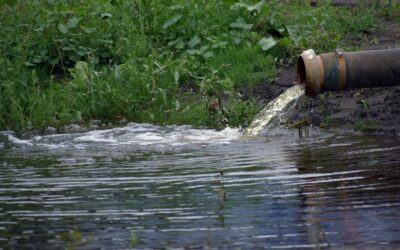
Water pooling against your foundation is the slow, silent enemy of every home. It seeps through tiny cracks, causes the soil to swell and shift, and over time leads to a wet basement, mold, and structural cracks that cost tens of thousands to repair. These foundation ideas to drain water away from house walls range from simple weekend regrading to engineered drainage systems, and most pay for themselves many times over by preventing damage. The goal is always the same: move rainwater and runoff away from the foundation fast, before it can pool and penetrate.
Start With Proper Grading
The single most important and cost-effective fix is grading the soil so it slopes away from the house. The ground should drop at least 6 inches over the first 10 feet from the foundation, roughly a 5 percent slope. Negative grading, where the soil tilts back toward the house, funnels water straight to your walls.
Add clean fill dirt or topsoil against the foundation and tamp it into a gentle downward slope. Use soil with some clay content near the wall, since clay sheds water rather than absorbing it. Skip sand or loose gravel directly against the foundation; those let water soak straight down to the footing.
Extend Your Downspouts
Gutters that dump water at the base of the house defeat the whole drainage system. Downspouts should discharge water at least 4 to 6 feet away from the foundation, and farther on heavy clay soils. This is one of the cheapest, highest-impact upgrades available.
- Splash blocks: A basic $5 to $15 ramp that directs water a few feet out.
- Roll-out or flip-up extensions: Flexible extenders that reach 4 to 9 feet, then fold away for mowing.
- Buried drain pipe: A solid PVC line carrying downspout water underground to a discharge point well away from the house.
Multiply this across every downspout and you redirect thousands of gallons per storm away from the vulnerable zone right next to the wall.
Install a French Drain
For yards with persistent pooling or a high water table, a French drain is the go-to engineered solution. It is a gravel-filled trench, usually 18 to 24 inches deep, holding a perforated pipe wrapped in landscape fabric. Groundwater seeps into the gravel, enters the pipe, and flows by gravity to a lower discharge point.
A perimeter French drain along the foundation intercepts water before it reaches the wall. Professionally installed, expect $1,000 to $5,000 depending on length and depth, but a capable DIYer can build a short run for the cost of pipe, gravel, and fabric. The key is maintaining a continuous downward slope of about 1 percent so water keeps moving.
Build a Swale to Redirect Runoff
A swale is a shallow, gently sloped trench, often planted with grass, that channels surface water around the house and toward a drainage area. It blends into the landscape and handles large volumes of sheet runoff from yards that slope toward the home.
Dig the swale with a smooth, broad U-shape and a consistent grade leading to a rain garden, dry well, or the street. Lining the bottom with river rock both slows erosion and turns the swale into an attractive landscape feature rather than an eyesore.
Add a Dry Well or Rain Garden
Where you cannot daylight water onto a slope or the street, a dry well gives runoff a place to collect and slowly percolate into the ground. It is a buried perforated tank or gravel pit, sized to the roof area it serves, that captures water from downspouts or a French drain and releases it gradually.
A rain garden does similar work above ground: a shallow planted depression filled with water-loving native plants that absorb and filter runoff. Both keep water moving away from the foundation while managing it sustainably on your property rather than overwhelming the storm system.
Waterproofing and Foundation Barriers
Drainage handles water before it reaches the wall, but adding a barrier at the wall itself is smart insurance in wet climates. Exterior waterproof coatings, dimpled drainage membranes, and footing drains tied into a sump system give belt-and-suspenders protection for finished basements.
These measures are more involved and often require excavation, running $3,000 to $10,000 or more, but for a home with a history of basement seepage they are frequently the permanent fix. Pair exterior waterproofing with good grading and you address the problem from both directions.
Reading the Warning Signs of Poor Drainage
Before you spend on solutions, learn to read the symptoms so you target the real problem. Inside, watch for efflorescence, the chalky white mineral residue left on basement walls by evaporating water, along with musty odors, peeling paint, and hairline cracks that weep after a storm. A sump pump that runs constantly during rain is a clear sign water is reaching the footing.
Outside, the clues are just as telling. Look for soil that stays soggy or pools near the wall hours after rain stops, mulch and gravel washed away from the foundation edge, and water stains or a high-water line on the foundation. Mosquito breeding in standing water and erosion channels cutting toward the house all point to runoff heading the wrong direction. Cracks in the foundation wider than 1/4 inch, doors and windows that suddenly stick, or a basement floor that has heaved can signal that chronic moisture is already shifting the structure. Catching these signs early lets you fix grading and downspouts for a few hundred dollars before the problem grows into a five-figure foundation repair.
Putting It All Together
The most reliable approach to draining water away from the house layers several of these ideas. Start with the free and cheap wins: regrade the soil to slope away and extend every downspout 6 feet out. If pooling persists, add a French drain or swale to capture and redirect groundwater and surface runoff. Reserve dry wells, rain gardens, and exterior waterproofing for the toughest cases. Tackle the simple steps first, watch how your yard handles the next big storm, and escalate only as needed to keep your foundation dry for decades.