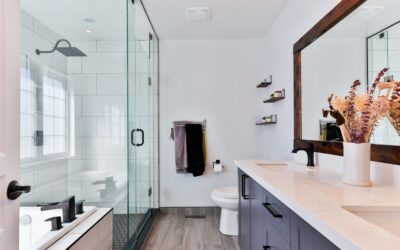
Nothing modernizes a bathroom faster than swapping a dated framed enclosure for a wall of clear glass. A frameless shower door uses thick tempered glass held by minimal hardware instead of the bulky aluminum frame of traditional doors, creating a clean, open look that makes even a small bathroom feel larger. That elegance comes at a higher price and demands precise installation, so it pays to understand the trade-offs before committing. Here is what separates frameless from framed and whether it belongs in your renovation.
Part of our Bathroom Remodeling & Flooring guide — explore the full guide →
- What "Frameless" Really Means
- Why Homeowners Choose Frameless
- The Downsides to Weigh
- Glass Options and Thickness
- What a Frameless Shower Door Costs
- Installation Considerations
- Keeping Frameless Glass Looking New
- Door Configurations to Consider
- Hardware Finishes and Details
- Safety and Tempered Glass
- Is Frameless Worth the Splurge?
What “Frameless” Really Means
A true frameless door has no metal frame surrounding the glass panels. Instead, thick tempered glass — typically three-eighths to half an inch — is rigid enough to stand on its own, held by discreet hinges, clips, and clamps mounted to the wall and glass. The result is a nearly invisible enclosure that shows off your tile rather than hiding it behind aluminum.
Semi-frameless doors exist as a middle ground, with a slim frame around the perimeter but frameless edges where the door meets. But the fully frameless look is the premium option that homeowners covet for its seamless, spa-like appearance.
Why Homeowners Choose Frameless
The appeal goes beyond looks, though looks lead the list:
- Open, spacious feel: Uninterrupted glass makes bathrooms look bigger and brighter.
- Shows off tilework: Your investment in tile and fixtures stays fully visible.
- Easier to clean: No metal frame means no crevices where soap scum and mildew hide.
- Durability: Thick tempered glass resists the flexing and wear that plague framed doors.
- Adds resale value: Buyers read frameless glass as a high-end, updated feature.
That combination of aesthetics and hygiene is why frameless enclosures have become the default in mid- to high-end bathroom remodels.
The Downsides to Weigh
Frameless doors are not without drawbacks. The biggest is cost — the thick glass and precision hardware make them two to three times more expensive than framed alternatives. Because there is no frame with a built-in seal, a small amount of water can escape at the edges, so proper slope and the right sweeps and seals matter.
Installation is also less forgiving. The glass must be measured and cut precisely for your specific opening, often requiring a custom order, and walls must be reinforced to carry the weight of heavy panels. This is rarely a beginner DIY project.
Glass Options and Thickness
Glass choice affects both look and price. Standard clear glass shows everything, including every water spot, which is why many buyers upgrade to treated glass. Consider these options:
- Thickness: Three-eighths inch is common and cost-effective; half-inch feels more substantial and premium.
- Clear glass: The classic, most open look — shows tile beautifully but reveals water spots.
- Low-iron glass: Removes the greenish tint of standard glass for true clarity, at a premium.
- Frosted or textured: Adds privacy while still passing light.
- Protective coatings: Treatments like ClearShield or EnduroShield repel water and cut cleaning.
A protective coating is one of the best upgrades — it dramatically reduces the water spotting that clear frameless glass is prone to, keeping the enclosure looking pristine with less effort.
What a Frameless Shower Door Costs
Budget realistically, because frameless is a premium product:
- Stock/semi-custom frameless door: $500 to $1,300 for the glass.
- Fully custom enclosure: $1,000 to $3,000-plus depending on size and glass.
- Professional installation: $300 to $800 in labor.
- Total installed: Commonly $900 to $3,500 for an average setup.
Larger enclosures, multiple panels, low-iron glass, and specialty hardware finishes all push the price up. By comparison, a framed door often runs $150 to $500 installed — the gap you are paying for is entirely the look and the heavier glass.
Installation Considerations
Because frameless panels are heavy and must be plumb, the walls need solid blocking behind the tile to anchor the hinges and clips. This is why frameless doors are ideally planned during a remodel, when blocking can be added before the wall is closed up. Retrofitting into an existing shower is possible but may require finding studs or adding anchors rated for the load.
Precise measurement is critical. Even a slightly out-of-square opening — common in older homes — requires the glass to be cut to compensate. Most homeowners hire a glass company that templates the opening, orders the custom glass, and handles the heavy, exacting installation.
Keeping Frameless Glass Looking New
The clean look only stays clean with a simple habit: squeegee the glass after every shower. Wiping away water before it dries prevents the hard-water spots and mineral buildup that cloud clear glass. This 30-second routine is the single best thing you can do for a frameless door.
For deeper cleaning, use a glass cleaner or a vinegar solution on ceramic and porcelain surroundings, and check the door sweep and seals periodically, replacing them when they harden or tear. If you added a protective coating, avoid abrasive cleaners that can wear it down. Kept up this way, frameless glass looks showroom-fresh for years.
Door Configurations to Consider
Frameless enclosures come in several layouts, and matching the configuration to your bathroom is key. A single swinging door with a fixed glass panel is the classic setup for a standard alcove shower. For a walk-in or doorless design, a single fixed panel — often called a shower screen — provides splash protection with nothing to open or close, ideal for large curbless showers.
Larger showers may use a door plus one or two stationary panels to enclose a corner or span a wide opening, while a bypass sliding configuration works where a swing door would hit a vanity or toilet. One practical detail: a swinging frameless door should open outward or both ways so water drips onto the shower floor, not the bathroom floor. Measure your space and traffic flow carefully, because the door swing that looks fine on paper can collide with fixtures in a tight bathroom.
Hardware Finishes and Details
With no frame to draw the eye, the hardware becomes the jewelry of a frameless enclosure, so the finish choice carries real weight. Hinges, handles, and clips come in finishes from polished chrome and brushed nickel to matte black, brushed gold, and oil-rubbed bronze. Coordinating the glass hardware with your showerhead, faucet, and other bathroom fixtures ties the room together — mismatched metals are a common misstep that cheapens an otherwise high-end look.
Beyond looks, hardware quality affects longevity. Solid brass hinges resist corrosion better than cheaper alloys in a wet environment, and a good handle feels substantial rather than flimsy. Pay attention to the door sweep and seals too — these small strips along the bottom and hinge side control the minor water escape that frameless doors are prone to, and quality seals make the difference between a dry bathroom floor and a puddle after every shower.
Safety and Tempered Glass
Frameless doors rely on tempered safety glass by law, and understanding why offers peace of mind. Tempering heat-treats the glass so it is several times stronger than ordinary glass, and critically, if it ever does break, it shatters into small, relatively harmless pebbles rather than long, dangerous shards. This is why building codes require tempered glass in shower enclosures.
Rare spontaneous breakage can occur if the glass has a tiny manufacturing inclusion or if an edge gets chipped during installation, so buy from a reputable fabricator and have it installed by professionals who handle the panels carefully. Once installed and properly supported by quality hinges and clips anchored into solid blocking, tempered frameless glass is extremely safe and durable, standing up to daily use for many years without issue.
Is Frameless Worth the Splurge?
If your budget allows and you value a sleek, open bathroom, a frameless shower door delivers the single biggest visual upgrade you can make to a shower. It shows off your tile, cleans easily, and signals quality to future buyers. The premium cost and demanding installation are real considerations, and a semi-frameless door offers much of the look for less. But for a remodel where the shower is a centerpiece, few upgrades match the transformation of full, frameless glass — plan for the walls to support it, add a protective coating, and enjoy the open, spa-like result.