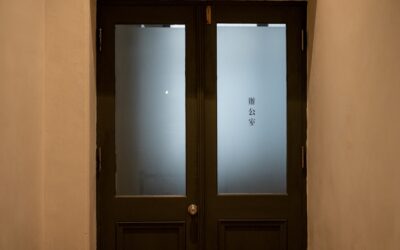
Clear glass makes a bathroom look bigger, but it also shows every water spot and leaves nothing to the imagination in a shared bath. Frosted shower glass solves both problems by diffusing light so the shower stays bright while shapes behind it blur. You can get that frosted look three main ways: factory acid-etched glass, sandblasted glass, or a privacy film applied to the clear glass you already have.
Part of our Bathroom Remodeling & Flooring guide — explore the full guide →
Each method looks a little different, wears differently, and has a very different price. Factory-frosted glass is the most durable, film is by far the cheapest, and sandblasting sits in between with a few maintenance quirks. Hard water care also changes depending on which you choose, which matters more than most people expect.
- Frosted Shower Glass Options Compared
- Choosing Between Etched, Sandblasted, and Film
- Retrofitting Clear Shower Glass With Privacy Film
- Glass Handling and Safety
- Cleaning and Hard Water Care
- Design Tips for a Frosted Enclosure
- Troubleshooting
- Cost Ranges and When to Call a Pro
- Frequently Asked Questions
Frosted Shower Glass Options Compared
All three types of frosted shower glass deliver privacy, but they are built differently and age differently.
Acid-etched glass
Acid-etched glass is treated at the factory with hydrofluoric acid that permanently roughens one surface into a smooth, satin finish. It feels silky to the touch, resists fingerprints, and looks even across the whole panel. Because the texture is fine and uniform, it holds less soap scum and mineral buildup than sandblasted glass. It is the most common choice for a premium frosted glass shower enclosure, and it is always tempered after etching for safety.
Sandblasted glass
Sandblasting uses high-pressure abrasive to pit the glass surface. The result is a whiter, more opaque frost with a slightly gritty feel. It can be done in patterns, borders, or custom designs, which makes it popular for decorative panels. The downside is porosity: the rough surface traps oils and minerals and can show fingerprints and stains. Many sandblasted panels are factory sealed to reduce this, and unsealed panels often need a protective coating.
Shower door privacy film
Privacy film is a thin frosted or patterned vinyl applied to the dry side of clear glass. It is the only realistic DIY option and the cheapest by a wide margin. Quality frosted films look surprisingly close to etched glass from a few feet away. Film can lift at the edges, scratch, or yellow over years, and it should not go on the wet side of the shower, where water and cleaners will break down the adhesive.
Other factory options
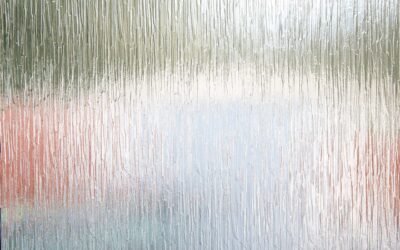
Rain glass, reeded or fluted glass, and textured patterned glass also provide privacy through texture rather than frosting. They hide water spots even better than etched glass and are worth considering if you are replacing a door anyway.
Choosing Between Etched, Sandblasted, and Film
Your decision usually comes down to budget, whether you are replacing glass or keeping it, and how much cleaning you will tolerate.
- Replacing the door or panel anyway: acid-etched glass is the best long-term choice. It is durable, easy to clean, and permanent.
- Want a custom design or border: sandblasted glass allows patterns and logos, though it needs sealing and more upkeep.
- Keeping existing clear glass: privacy film is the practical retrofit at a fraction of the cost.
- Renting: use a static-cling film that peels off without residue.
- Partial privacy: a frosted band from about 30 to 60 inches high hides the body while keeping the top and bottom clear and bright.
For a half-wall layout or a fixed screen, a frosted glass panel on just the most exposed side can give enough privacy without enclosing the whole space.
Retrofitting Clear Shower Glass With Privacy Film
Applying film to an existing door is a manageable afternoon project. Plan on working with the door in place, since removing tempered glass panels is a heavy, risky job.
Tools and materials
- Frosted or patterned privacy film sized for the panel
- Spray bottle with water and a few drops of baby shampoo
- Felt-edged squeegee and a plastic hard card
- Utility knife with fresh blades and a metal straightedge
- Razor scraper, lint-free towels, glass cleaner without ammonia
- Cut-resistant gloves and safety glasses
Steps
- Pick the dry side. Apply film to the outside of the enclosure, away from direct spray.
- Remove all buildup. Clean hard water and soap scum completely. Scrape the glass gently with a razor held flat, then wash and rinse. Any residue will show through the film.
- Measure and cut. Cut the film about 1 inch larger than the glass on all sides.
- Wet and apply. Mist the glass heavily, peel the liner while spraying the adhesive side, and lay the film on. Slide it into position.
- Squeegee. Work from the center outward to push out water and air.
- Trim. Run the knife along the straightedge, leaving a small gap from the frame or hardware, about 1/16 inch.
- Cure. Leave the shower unused for 24 to 72 hours, and avoid cleaning the film for about a week.
Glass Handling and Safety
Shower doors and panels are tempered safety glass, and tempered glass behaves differently from ordinary glass. It is very strong across its face but vulnerable at the edges. A sharp knock on an edge or corner can shatter the entire panel into small pieces at once. Wear gloves and eye protection when working near exposed edges, never pry or flex a panel, and never strike the edges with tools.
Do not try to cut, drill, sandblast, or etch an installed tempered panel. Tempered glass cannot be cut after tempering, and any attempt will shatter it. If you are removing or carrying a door or panel, treat it as a two-person job. Frameless panels often weigh 50 to 100 pounds or more. Carry glass vertically, support it from the bottom, and set it on padded blocks rather than directly on tile. If a panel is chipped at the edge or shows a crack, stop using the shower and call a glass professional, since damaged tempered glass can fail without warning.
Cleaning and Hard Water Care
Frosted surfaces hide spots, but they still collect minerals, and hard water care is where the three options differ most.
- Acid-etched glass: wipe with a squeegee after every shower. Clean weekly with a mild, pH-neutral bathroom cleaner. For mineral buildup, a diluted white vinegar solution works well. Avoid abrasive pads, which can polish the etched surface and leave shiny patches.
- Sandblasted glass: oils and minerals settle into the texture, so a soft brush helps. Avoid oily cleaners and bar soap residue. Reapply a glass sealer or protective coating periodically if the manufacturer recommends it.
- Privacy film: clean with a soft cloth and a mild, non-ammonia cleaner. Do not use razors, abrasive pads, or harsh chemicals on the film.
For homes with hard water, a water softener or a daily-shower spray reduces buildup on any glass. A hydrophobic glass coating, applied to the wet side of clear or etched glass, helps water bead and run off. On frosted glass, test any coating in an inconspicuous corner first, since some can darken etched texture slightly.
Design Tips for a Frosted Enclosure
Frosted glass changes how a bathroom feels, so think about light and layout before you commit. In a small bath with one window, a fully frosted enclosure can make the shower feel like a separate room, which some people like and others find closed in. A frosted band or a frosted lower two thirds keeps the ceiling line visible and the room feeling open.
Hardware finish matters too. Brushed nickel, matte black, and brass hinges and handles all read clearly against a white frosted panel, so choose a finish that matches the faucet and shower trim. If the shower has a niche or accent tile, consider whether you still want it visible from the room. Etched glass hides it almost completely, while a light patterned film lets color show through softly.
Troubleshooting
Frosted glass looks blotchy or wet
Oils from skin, conditioner, or body wash can darken etched or sandblasted areas so they look partly clear. Clean with a mild degreasing dish soap and warm water, rinse, and dry thoroughly.
White crust that will not come off
Heavy mineral deposits need repeated vinegar treatments or a cleaner made for hard water stains, followed by a thorough rinse. Never mix vinegar with bleach-based cleaners.
Film peeling or bubbling
Edges usually lift when they get wet regularly or when the trim gap is too tight. Press the edge down after drying it, and move the film to the dry side if it was applied inside.
Cost Ranges and When to Call a Pro
General price ranges vary widely by size, thickness, and region:
- Privacy film DIY: roughly $20 to $80 in materials for a typical door.
- Professionally installed film: commonly $100 to $400 per door.
- Replacing a door with acid-etched glass: often several hundred to a couple of thousand dollars, depending on framed vs frameless and glass thickness.
- Custom sandblasted panels: typically priced similar to or higher than etched glass, depending on design complexity.
Call a professional glazier for any glass replacement, heavy frameless panels, chipped or cracked glass, hinge or clip adjustments, and custom sandblasted designs. Pros carry suction lifters and know how to set tempered glass without stressing the edges.
Frequently Asked Questions
Is frosted shower glass harder to clean?
Acid-etched glass is about as easy to clean as clear glass and hides spots better. Sandblasted glass is harder because its rough texture traps oils and minerals unless it is sealed.
Can I frost my existing clear shower door?
Yes, with privacy film on the dry side of the glass. You cannot etch or sandblast an installed tempered panel safely, since tempered glass cannot be worked after tempering.
Which side of the shower glass is frosted?
Factory etched glass is usually frosted on the outside, or dry side, to reduce buildup in the texture. Privacy film should also go on the dry side.
Does frosted shower glass make a bathroom darker?
Only slightly. Frosted glass diffuses light rather than blocking it, so the shower and the room stay bright.
How long does shower privacy film last?
Quality film on the dry side of the glass often lasts five years or more. Film exposed to direct spray and cleaners wears out much faster.