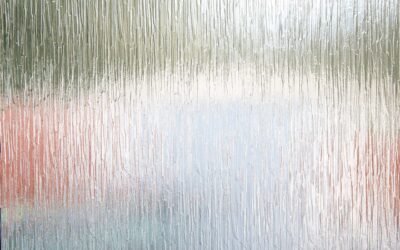
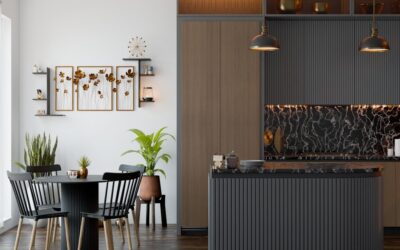
Walk into a kitchen with a wall of solid wood uppers and it can feel like a fortress. Swap even two of those doors for frosted glass kitchen cabinet doors and the whole room breathes. Frosted glass gives you the airy, gallery-like feel of clear glass without broadcasting your mismatched mugs and cereal boxes to the entire room. It is one of the most affordable design upgrades in a kitchen renovation, and for many homeowners it is a weekend project rather than a full remodel.
Part of our Kitchen Remodeling guide — explore the full guide →
This guide covers the glass types worth knowing, realistic costs, how the doors are built, and how to keep them looking sharp for years.
- Why Frosted Glass Works So Well in a Kitchen
- Types of Frosted Glass to Consider
- What It Costs to Add Frosted Glass Doors
- How the Doors Are Built
- Installing Frosted Glass Doors Yourself
- Keeping Frosted Glass Clean and Streak-Free
- Design Ideas That Elevate the Look
- Converting Existing Doors With Frosted Film
- Frosted Glass in Bathrooms and Beyond
- Is Frosted Glass Right for Your Kitchen?
Why Frosted Glass Works So Well in a Kitchen
Clear glass demands that whatever sits behind it be styled like a boutique display. Most of us do not live that way. Frosted glass solves the problem by diffusing light and blurring shapes, so a stack of plates reads as a soft silhouette instead of a cluttered shelf. You still get depth and a sense of openness, but everyday reality stays politely hidden.
There is a practical payoff too. Glass-front uppers bounce natural and under-cabinet light around the room, which makes a small galley kitchen feel noticeably larger. Designers often place frosted panels at the ends of a cabinet run or flanking a range hood to break up an otherwise heavy bank of doors.
Types of Frosted Glass to Consider
Not all frosted glass is created the same way, and the method affects both look and price.
- Acid-etched glass: The most refined option. Acid produces an even, satiny surface that resists fingerprints better than sandblasted glass. Expect roughly $12 to $25 per square foot for the glass alone.
- Sandblasted glass: Created by blasting the surface with abrasive grit. It reads slightly more textured and can show smudges more readily, but it costs less, often $8 to $18 per square foot.
- Frosted film applied to clear glass: A peel-and-stick or static-cling vinyl film. This is the budget path at $1 to $4 per square foot, and it lets you convert existing clear-glass doors in an afternoon.
- Reeded or fluted frosted glass: Combines vertical ribbing with a frosted finish for a vintage, textured look that has surged in popularity.
If you want a truly permanent, high-end result, acid-etched tempered glass is the standard. Tempering matters in a kitchen because it is far more resistant to thermal stress from a nearby oven and shatters into blunt pebbles rather than daggers if it ever breaks.
What It Costs to Add Frosted Glass Doors
Pricing depends heavily on whether you are replacing whole doors or just the panels. A common approach is to keep your existing cabinet boxes and swap the door fronts. Custom glass-panel doors typically run $60 to $180 per door depending on size, wood species of the frame, and glass type.
If your current doors already have a solid center panel routed into a frame, a carpenter can sometimes remove that panel and drop in glass for $40 to $90 per door in labor plus the cost of the glass. Going the DIY film route on existing clear-glass doors can cost under $30 total for an entire kitchen. Full custom cabinetry with frosted inserts, ordered new, pushes the number toward $200 or more per door.
How the Doors Are Built
Most glass cabinet doors use a five-piece frame construction: two vertical stiles, two horizontal rails, and the glass panel held in the center. The glass sits in a groove or a rabbet cut into the back of the frame, then gets secured with either a wood retainer strip, glazing points, or clear silicone.
Rabbeted frames with a removable retainer strip are the friendliest for DIYers because you can swap glass later without destroying the door. If you are converting a solid-panel door, you will need a router and a rabbeting bit to open up the back, which is doable but demands a steady hand and a way to clamp the door flat.
Muntins and Grid Patterns
Some homeowners add muntins, the thin dividers that split one pane into a grid. A simple two-over-two or single-lite pattern feels modern, while a divided six-lite grid leans traditional or farmhouse. Muntins add cost and cleaning time, so weigh the look against the upkeep.
Installing Frosted Glass Doors Yourself
If you are replacing complete doors, the job is mostly about hinges and alignment. European concealed hinges, the kind with six-way adjustment, make life easy because you can dial in gaps after hanging.
- Remove the old doors and unscrew the hinges from the cabinet frame.
- Transfer hinge locations to the new doors, or order doors pre-bored for 35mm hinge cups.
- Hang each door, leaving a consistent 1/8-inch reveal around the edges.
- Use the hinge adjustment screws to level and align. Sight down the row and tweak until the gaps look even.
- Add soft-close dampers if the hinges do not already include them.
Budget about 15 to 20 minutes per door once you find your rhythm. A full set of eight to ten uppers is a realistic Saturday.
Keeping Frosted Glass Clean and Streak-Free
The number one complaint about frosted glass is that it can look smudgy, but that usually comes down to using the wrong cleaner. Ammonia-based sprays can leave residue that clings to the microscopic texture. Instead, reach for a solution of warm water with a few drops of dish soap, or plain distilled white vinegar cut 50/50 with water.
Spray lightly, wipe with a clean microfiber cloth, then buff dry immediately with a second dry cloth to stop water spots from setting. For stubborn grease near the stove, a soft-bristle brush works the etched surface without scratching. Avoid abrasive pads and never use a razor blade on frosted glass, since it can polish away the frosting in streaks and leave a permanent shiny smear.
Design Ideas That Elevate the Look
Frosted glass plays well with contrast. Pair a warm walnut or painted navy frame with soft white frosted panels and the doors become a focal point. Interior cabinet lighting is the upgrade most people forget: a strip of warm-white LED tape inside a glass-front cabinet turns it into a glowing feature at night for about $20 to $40 per cabinet.
Limit your glass fronts to two to four cabinets rather than the entire kitchen. Too much glass reads busy and eliminates the closed storage you actually need. A common, balanced layout is one glass cabinet on each side of a window or hood, with everything else solid.
Converting Existing Doors With Frosted Film
If you already have clear-glass cabinet doors, or you are willing to route out a solid panel, frosted film is the fastest and cheapest route to the look. Static-cling and adhesive frosted films sell in rolls for $1 to $4 per square foot at home centers and online, and applying them is a genuinely beginner-friendly project. The result convincingly mimics acid-etched glass from a normal viewing distance, and because film is removable, you can change your mind later without harming the glass.
To apply it cleanly, measure and cut the film slightly oversized, clean the glass thoroughly with a lint-free cloth, then spray the glass with a few drops of dish soap in water so the film floats into position. Squeegee out the water and air bubbles from the center toward the edges, then trim the excess with a sharp blade along a straightedge. Work slowly and the finish looks seamless. Reeded and patterned films are also available if you want texture without buying new glass.
Frosted Glass in Bathrooms and Beyond
The same appeal that makes frosted glass work in a kitchen translates to other rooms. Bathroom vanity cabinets, linen closets, and built-in hutches all benefit from the way frosted panels add light and openness while hiding contents. In a home office or built-in bookcase, frosted-front cabinets conceal supplies and clutter while keeping the furniture feeling airy rather than boxed in.
Frosted glass also pairs beautifully with interior cabinet lighting in these spaces, glowing softly at night to create ambiance. Just remember that frosted glass in a high-moisture bathroom should be tempered for safety and sealed at the edges to resist humidity. The technique of swapping a few solid doors for frosted panels is a versatile design move that works anywhere you want to lighten a heavy bank of cabinetry without exposing everything inside.
Is Frosted Glass Right for Your Kitchen?
If you want more visual openness but crave privacy from clutter, frosted is the sweet spot between solid doors and clear glass. It hides fingerprints better than mirror or clear panels, forgives a less-than-perfectly-organized shelf, and delivers a custom, designer feel for a fraction of a full remodel. For most homeowners, converting a handful of existing doors or ordering a few replacement fronts is the highest-impact, lowest-cost cabinet update available. Start with two cabinets, live with the look for a week, and you will likely wish you had done it years ago.