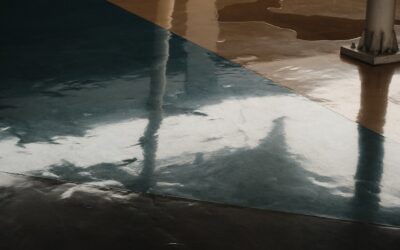
Choosing among the many garage floor paint colors is about balancing looks with practicality, because the color you pick affects not just curb appeal but how well the floor hides dirt, tire marks, and the inevitable oil drip. A well-coated garage floor transforms a dingy, dusty slab into a clean, showroom-quality space, and the right color makes that finish easier to keep looking sharp. Before you grab a bucket, it helps to know which colors perform best, how flake blends change the game, and what coating type actually holds up under a car.
Part of our Epoxy, Concrete & Garage Floors guide — explore the full guide →
The Most Popular Garage Floor Colors
Certain shades have become garage favorites for good reason, each with its own strengths.
- Gray: The runaway favorite. Medium and battleship grays hide dust, tire marks, and minor stains beautifully while reading as clean and professional. A gray base is the most forgiving color for daily wear.
- Tan and beige: Warm, inviting neutrals that brighten a dark garage and pair well with earth-tone flake. They show a bit more dust than gray but feel less industrial.
- Blue and slate: A cooler, distinctive look. Slate blue-grays are popular for a modern feel, though solid bright blues show dirt more readily.
- Charcoal and dark gray: Sleek and dramatic, great with metallic or black flake, but be aware that very dark floors highlight dust and lint under bright lighting.
- Terracotta and tan-red: Warm tones that hide clay and dirt tracked in, common in workshop settings.
If you’re running out of room even with a clean garage floor, a backyard shed takes the overflow — seasonal gear, tools, lawn equipment. And if you’re parking outside while the garage doubles as a workshop, a carport keeps your car covered without needing a second garage.
We may earn a commission when you purchase through our links.
Why Flake Blends Beat Solid Colors
Here is the pro tip most homeowners do not know: a solid single color shows every speck of dirt, tire scuff, and imperfection, while a multi-color flake blend hides them remarkably well. Decorative flakes, also called color chips or vinyl chips, are broadcast over the coating and create a speckled, granite-like surface. That visual noise camouflages dust, small stains, and the natural imperfections in a concrete slab.
Popular flake blends combine a base color with two or three accent shades: a gray base with black, white, and blue flakes, or a tan base with brown and cream. Beyond hiding dirt, the flakes add subtle texture that improves slip resistance, a real safety benefit on a floor that gets wet from rain-soaked tires. If you want a floor that looks great with minimal upkeep, a flake system is worth the modest extra cost over a plain color.
Matching Color to Your Garage’s Use
Think about how you actually use the space before committing to a color. A garage that doubles as a workshop or home gym benefits from a lighter gray or tan that brightens the room and makes dropped tools easy to spot. A garage built to show off a prized car often looks best with a darker charcoal or a metallic finish that reads like a dealership showroom. If the garage sees heavy dirt and mud, lean toward a mid-tone flake blend that disguises tracked-in grime between cleanings.
Lighting matters too. Many garages have limited windows and cool fluorescent or LED shop lights, which make dark floors feel cave-like and show every mote of dust. Unless you have bright, plentiful lighting, a medium tone is the safer, lower-maintenance choice.
The Coating Type Matters More Than the Color
The finest color fails fast on the wrong coating. Not all garage floor products are equal, and choosing the right chemistry determines whether your floor lasts one year or fifteen.
- Latex acrylic paint: The cheapest option at $30 to $50 per gallon, easy to apply but the least durable. It peels under hot tires and heavy traffic, often within a couple of years.
- Epoxy: The most popular durable choice. A two-part epoxy bonds hard, resists chemicals and abrasion, and lasts many years. Kits run $50 to $150 and are a manageable DIY job over a weekend.
- Polyurea and polyaspartic: The premium tier. These cure fast, tolerate UV without yellowing, handle temperature swings, and outlast epoxy. They cost more and often warrant a professional install, but they are the longest-lasting finish available.
For most homeowners, a quality epoxy or polyurea system with a color base and flake blend hits the sweet spot of durability, looks, and value. Skip the bargain latex floor paint unless you plan to redo it often.
Prep Is Everything
No color survives on a poorly prepped slab, and the vast majority of garage floor coating failures trace back to skipped prep. The concrete must be clean, dry, and properly etched or ground so the coating can bond.
- Clean thoroughly, degreasing every oil stain and scrubbing away dust and residue.
- Repair cracks and pits with a concrete patch and let them cure fully.
- Etch or grind the surface so the coating grips. An acid etch or mechanical grind opens the concrete pores.
- Test for moisture by taping a plastic sheet to the floor overnight; condensation underneath means the slab is too damp to coat.
- Apply in the right conditions, typically between 50°F and 85°F with low humidity, following the product’s recoat windows.
How Color Interacts With Garage Lighting
Garages are notoriously under-lit, and that reality should shape your color decision as much as personal taste. Most garages rely on one or two overhead fixtures that cast harsh shadows and leave corners dim. A light or medium floor color bounces that limited light around and makes the whole space feel brighter and safer to work in, while a dark charcoal or black floor swallows light and can make even a well-lit garage feel like a cave. If you plan to use the garage for detailed work, a lighter reflective floor genuinely improves visibility.
The color temperature of your bulbs plays a role too. Cool white LED shop lights, common in garages, render grays and blues accurately but can make warm tans look slightly washed out. If you have upgraded to bright daylight-balanced LEDs, you have more freedom to go darker, since the added light compensates. Before committing, buy a sample of your chosen color, coat a small test patch in an inconspicuous corner, and view it under your actual garage lighting at the time of day you use the space most.
Sheen and Topcoat Considerations
Color is only half the visual equation; the topcoat sheen changes how the floor reads and performs. A high-gloss clear topcoat over your color and flake makes the floor pop with a wet, showroom shine and deepens the color, but it also shows every tire mark and can be slippery when wet. A satin or matte topcoat tones down the shine, hides scuffs better, and offers more slip resistance underfoot. Many homeowners split the difference with a satin finish that still looks polished without the glare or the slickness of full gloss.
Whatever sheen you choose, a clear polyaspartic or polyurethane topcoat over your colored base and flake dramatically extends the life of the finish. It locks the flakes down, adds a sacrificial wear layer that takes the abuse instead of your color coat, and makes cleanup as easy as a mop or a hose. Skipping the topcoat to save money is a false economy, since it is the layer doing most of the protecting.
Putting Your Color Plan Together
When it comes to garage floor paint colors, the smartest approach layers three decisions. Start with a base that suits your lighting and use, and gray remains the most versatile and dirt-hiding choice. Add a coordinating flake blend to camouflage dust, stains, and imperfections while boosting slip resistance. Then choose a coating chemistry that matches how long you want it to last, with epoxy and polyurea leading the pack for durability.
Get those three right, prep the slab properly, and you will end up with a garage floor that looks professionally finished and stays that way for years. Whether you are after a clean workshop, a low-maintenance daily-driver garage, or a showroom for a weekend car, the right color and coating combination turns a plain gray slab into the best-looking surface in the house.
Prefer to explore on your own?
See how new flooring looks in your actual room in seconds — free, no signup.
Try the free Floor Studio →