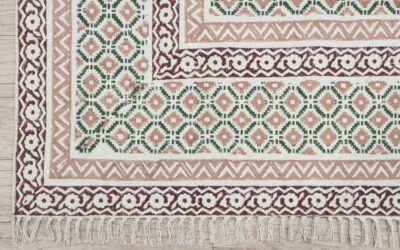
Few flooring choices change a room’s personality as fast as a bold floor underfoot, and geometric pattern carpet is one of the most versatile ways to do it. From subtle tone-on-tone trellis to graphic hexagons and chevrons, geometric carpet brings structure, movement, and a tailored look that solid colors simply cannot. The trick is matching the pattern scale and color to your space so it reads as intentional rather than overwhelming.
- What Makes a Carpet "Geometric"
- Choosing the Right Pattern Scale
- Picking Colors That Work
- Best Rooms for Geometric Carpet
- Wall-to-Wall vs. Area Rugs
- Styling Tips From the Pros
- Material and Durability Considerations
- Popular Geometric Patterns and Their Vibe
- Caring for Patterned Carpet
- Budgeting for Geometric Carpet
- The Bottom Line
What Makes a Carpet “Geometric”
Geometric carpet uses repeating shapes and lines rather than florals or organic motifs. Common patterns include chevron and herringbone, hexagons, diamonds and lattice, trellis, grids, and Greek key borders. The pattern can be woven, tufted, or printed, and it ranges from barely-there texture created by cut-and-loop pile to high-contrast graphic prints that become the room’s focal point.
Because the design is built on order and symmetry, geometric carpet pairs beautifully with both modern and traditional interiors. A small-scale diamond reads classic and refined, while an oversized chevron feels contemporary and energetic.
Choosing the Right Pattern Scale
Scale is the difference between a pattern that elevates a room and one that fights it. Match the scale to the size of the space and the amount of furniture competing for attention.
- Large rooms: Can handle big, bold geometrics without feeling busy. Oversized hexagons or wide chevrons fill open floor plans with visual interest.
- Small rooms: Generally do better with smaller, tighter patterns or tone-on-tone designs that add texture without shrinking the space.
- Busy rooms: If you have patterned upholstery, art, and drapery, choose a subtle, low-contrast geometric so the floor grounds the room instead of adding noise.
- Minimal rooms: A graphic carpet can be the single statement piece in an otherwise pared-back space.
Picking Colors That Work
Color drives how loud the pattern feels. Tone-on-tone combinations, like soft gray on gray, deliver pattern that whispers and works in almost any decor. High-contrast pairings, such as navy and cream or charcoal and white, make the geometry pop and demand a more restrained palette elsewhere in the room.
Pull one color from the carpet into your accessories, throw pillows, or art to tie the room together. Neutrals like gray, greige, and ivory keep a geometric carpet flexible as your decor evolves, while a saturated accent color commits the space to a particular mood.
Best Rooms for Geometric Carpet
- Living rooms: A patterned area rug anchors the seating arrangement and adds warmth over hard flooring.
- Bedrooms: Soft, low-contrast geometrics create a calm yet tailored feel underfoot.
- Stairs and hallways: Runners with chevron or Greek key patterns hide wear and traffic beautifully while adding drama to transitional spaces.
- Home offices and dens: A crisp grid or trellis lends a focused, polished atmosphere.
Wall-to-Wall vs. Area Rugs
You can go wall-to-wall with geometric broadloom or carpet tiles, or layer a geometric area rug over existing flooring. Wall-to-wall creates a seamless, expansive look and works well in bedrooms and basements. Carpet tiles let you mix patterns or replace stained sections, which is handy in playrooms and offices. Area rugs offer the most flexibility, letting you swap the look seasonally and define zones in open-concept spaces.
Styling Tips From the Pros
- Let the carpet lead. Choose the carpet first, then build the room’s palette around it for a cohesive result.
- Balance pattern with solids. Pair a bold geometric floor with solid-color sofas and chairs to avoid visual chaos.
- Mind the sightlines. Align linear patterns like chevron with the room’s longest wall or main view so they look deliberate.
- Use rug pads. A quality pad keeps area rugs flat, prevents slipping, and protects the floor beneath.
- Consider traffic. Busy patterns and mid-tone colors hide footprints and dirt better than solid light carpets.
Material and Durability Considerations
The fiber matters as much as the pattern. Nylon offers the best resilience and stain resistance for high-traffic geometric carpet, polyester delivers rich color and softness at a lower price, and wool brings natural luxury and longevity for those willing to invest. For stairs and entries, choose a dense, low-pile construction that resists crushing and wears evenly so the pattern stays crisp for years.
Popular Geometric Patterns and Their Vibe
- Chevron and herringbone: Dynamic zigzags that add energy and a sense of movement, great for modern and transitional rooms.
- Hexagon and honeycomb: Trendy and bold, perfect as a statement floor in contemporary spaces.
- Diamond and harlequin: Classic and elegant, equally at home in traditional and eclectic interiors.
- Trellis and lattice: Refined and timeless, a favorite for tone-on-tone sophistication.
- Greek key: A crisp border motif that lends a tailored, upscale edge to runners and rugs.
- Grid and windowpane: Clean and architectural, suited to minimal and modern rooms.
Caring for Patterned Carpet
Geometric carpet is forgiving when it comes to maintenance because the pattern naturally camouflages everyday dirt and footprints better than a solid color. Still, regular care keeps the design sharp. Vacuum at least weekly to lift grit before it dulls the fibers, and address spills immediately by blotting, never rubbing, to avoid spreading the stain across the pattern. For wall-to-wall installations, schedule a professional deep clean every 12 to 18 months. With wool or quality nylon, this routine keeps the geometry crisp and the colors true for many years.
Budgeting for Geometric Carpet
Costs vary widely by material and construction. Polyester broadloom is the budget-friendly option, often a few dollars per square foot, while nylon commands a premium for its durability. Wool sits at the top of the range and can run several times the cost of synthetics, reflecting its longevity and luxury feel. Area rugs let you get the geometric look for far less than carpeting an entire room, and carpet tiles offer a middle path with easy replacement of worn or stained sections. Factor in padding and professional installation for wall-to-wall projects.
The Bottom Line
A well-chosen geometric pattern carpet brings instant structure and style to a room, but success hinges on getting the scale and color right for your space. Go bold in large, simple rooms and subtle in small or busy ones, anchor the pattern with solid furnishings, and pick a durable fiber suited to the traffic. Do that, and your geometric carpet becomes a timeless design anchor rather than a trend you will regret next season.