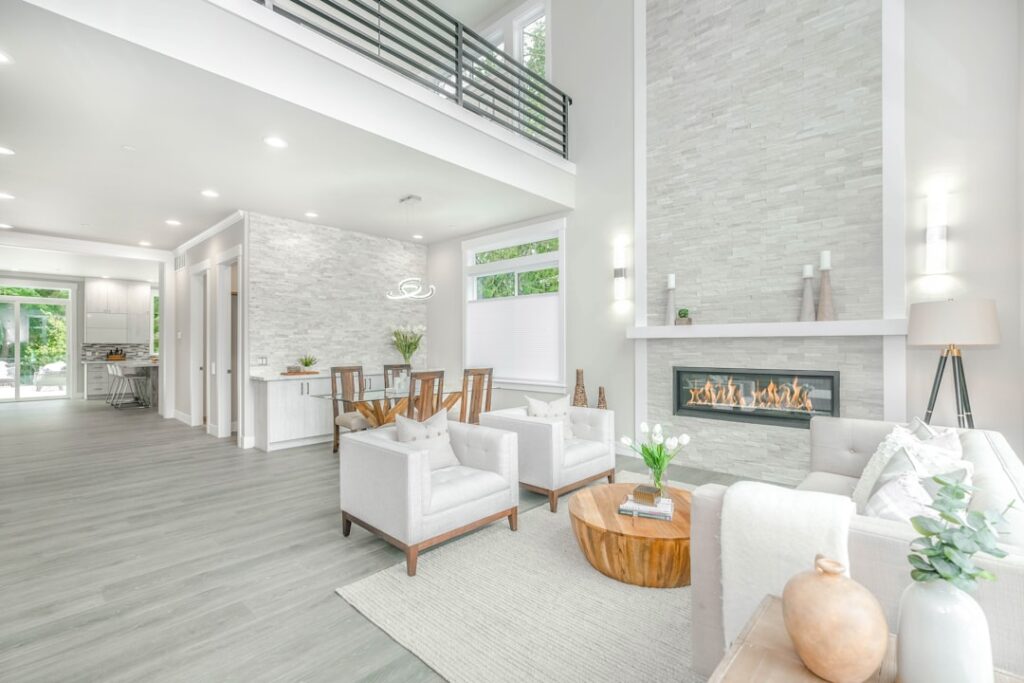
A rug is the fastest way to change how a room feels, and the right pattern does more heavy lifting than a fresh coat of paint. When homeowners scroll through area rug designs, they usually fixate on color first, but the design itself, the motif, the scale of the pattern, and the way it fills a floor, is what pulls a space together or leaves it feeling flat. Get the design right and everything from your sofa to your baseboards suddenly looks intentional. Get it wrong and even an expensive rug reads as an afterthought.
- The Main Categories of Rug Design
- Matching Design to the Room
- Getting the Scale of the Pattern Right
- Choosing a Color Story Within the Design
- Popular Motifs and What They Signal
- Design and Durability Go Together
- Sizing the Rug to Fit the Design
- Layering and Mixing Rug Designs
- Caring for a Patterned Rug
- Putting It All Together
The Main Categories of Rug Design
Most rugs fall into a handful of recognizable families. Knowing them makes shopping far less overwhelming, because you can name what you want instead of scrolling endlessly.
- Traditional and Persian: Ornate borders, central medallions, and dense floral fields in rich reds, navies, and golds. These are the classics, rooted in centuries of Middle Eastern and Asian weaving.
- Geometric: Repeating shapes such as diamonds, chevrons, trellises, and grids. Clean and versatile, they suit modern and transitional rooms alike.
- Abstract: Painterly washes, brushstroke effects, and irregular shapes. They feel like art on the floor and pair well with minimal furniture.
- Bohemian and tribal: Kilim patterns, Moroccan diamonds, and distressed vintage looks. Layered, textured, and forgiving of busy rooms.
- Solid and textural: No printed pattern at all; interest comes from pile height, weave, or a subtle tone-on-tone finish.
None of these is inherently better. The best choice depends on how much visual energy your room already has and how long you want the rug to stay in style.
Matching Design to the Room
A living room and a nursery ask for completely different things. Think about traffic, function, and mood before you commit. High-traffic spaces like entryways and family rooms benefit from busy, mid-tone patterns that hide dirt and footprints between cleanings. A formal dining room can carry a large traditional medallion because the table anchors the center anyway. Bedrooms lean toward softer, calmer designs since you want the room to feel restful rather than energetic.
Consider what the rug has to compete with. If your upholstery, curtains, and wallpaper are already patterned, a solid or subtly textured rug keeps the room from tipping into chaos. When the furniture is quiet and neutral, a bold geometric or Persian design becomes the star and gives the eye somewhere to land.
Getting the Scale of the Pattern Right
Scale is the detail most people overlook, and it matters as much as the motif itself. A large, open pattern feels calm and contemporary and makes a small room look bigger. A tight, intricate pattern reads as rich and traditional but can feel busy in a compact space.
Match pattern scale to room size. In a 10 by 12 foot bedroom, an oversized abstract print keeps things airy. In a grand 16 by 20 foot great room, a small repeating motif would disappear, so a bold medallion or a large-scale geometric holds the floor better. Look at photos of the rug shot from a distance, not just the close-up, so you can judge how the pattern behaves across an entire floor.
Choosing a Color Story Within the Design
Even the most striking of the popular area rug designs falls apart if the palette fights the room. A reliable trick is to pull the rug’s secondary colors, not its dominant one, into your accents. If a rug reads mostly cream with navy and rust details, echo the navy in a throw pillow and the rust in a lamp or a piece of art. That repetition tells the eye everything belongs together.
Decide early whether you want the rug to blend or to pop. A tone-on-tone design in the same family as your walls creates a serene, layered look. A high-contrast design becomes a focal point. Both work; you just need to choose on purpose rather than by accident.
Popular Motifs and What They Signal
Specific motifs carry their own quiet messages, and understanding them helps you set the mood you actually want.
- Medallion: A single central ornament that anchors a room and signals formality and tradition.
- Trellis and lattice: Interlocking curves or diamonds that feel tailored and transitional, at home in almost any decor.
- Moroccan diamond: Elongated diamonds, often on a light ground, that read casual, cozy, and current.
- Stripe: Simple and directional; horizontal stripes widen a hallway, vertical stripes lengthen a room.
- Floral: From literal botanicals to stylized blooms, floral designs soften hard, modern furniture.
Mixing motifs is possible, but keep a common thread, usually a shared color or a similar level of detail, so the room feels curated rather than random.
Design and Durability Go Together
The look you choose should survive real life. Busy, multicolor patterns are the most forgiving; they camouflage crumbs, pet hair, and the odd coffee splash far better than a solid ivory field. If you have kids, dogs, or a mudroom that sees wet boots, lean into a design that works with the mess instead of showing every speck of it.
Material shapes durability too. Machine-woven polypropylene rugs, roughly $2 to $6 per square foot, handle stains and cleaning without complaint, which makes them a smart canvas for bold patterns in busy rooms. Wool holds intricate designs beautifully and lasts for decades, but expect to pay $8 to $20 per square foot or more. A crisp geometric printed on a low-pile synthetic will look sharper longer than the same pattern on a shaggy pile that muddies the lines.
Sizing the Rug to Fit the Design
A gorgeous pattern loses its impact if the rug is too small for the space. As a rule, the front legs of your seating should sit on the rug, and there should be a consistent border of floor showing around it, usually 8 to 18 inches. Under a dining table, size the rug so chairs stay on it even when pulled out, which typically means adding at least 24 inches beyond the table on every side.
Bordered designs need extra thought. A strong border frames a room only if the whole border is visible and not tucked under furniture. Allover patterns, by contrast, can run partway under a sofa without losing their effect, giving you more flexibility with placement.
Layering and Mixing Rug Designs
You are not limited to one rug per room. Layering a smaller patterned rug over a larger neutral one, usually a natural jute or sisal base, adds depth and lets you introduce a bold design without committing the entire floor to it. This trick works especially well in bedrooms, where a sheepskin or a small kilim layered at an angle over a plain base softens the space and adds a collected, lived-in feel.
When mixing designs across adjoining open rooms, keep a common thread so the spaces read as one home rather than a showroom of samples. Share a color, repeat a similar pattern scale, or stick to the same style family. A geometric in the living room and a subtle trellis in the connected dining area feel related; a busy Persian next to a neon abstract fights for attention. Consistency in one element gives you freedom to vary the others.
Caring for a Patterned Rug
A great design only stays great if you protect it. Vacuum regularly to keep grit from grinding down the fibers and dulling the pattern, and rotate the rug 180 degrees every six months so foot traffic and sunlight wear it evenly. Direct sun fades dyes over time, so use blinds or a UV window film on rugs placed near large south-facing windows.
Blot spills immediately rather than rubbing, which pushes stains deeper and distorts the design. For wool and delicate weaves, a professional cleaning every few years preserves both color and structure. Always use a rug pad underneath; it prevents slipping, cushions the pile, and keeps the backing from wearing against a hard floor, all of which extend the life of the design you paid for.
Putting It All Together
Choosing among area rug designs comes down to a short checklist: name the style family you love, match the pattern scale to your room size, pick a palette that either blends or pops on purpose, and confirm the material can handle your household. Do that and the rug stops being a random purchase and becomes the piece that ties the entire room together. When you find a design that checks every box, buy the largest size your budget and floor plan allow. A generous, well-chosen rug is one of the few decorating decisions you will never regret.