If you want one rug that works with nearly any wall color, sofa, or flooring you already own, the safe and stylish answer is almost always gray. A gray area rug acts as a neutral foundation that hides everyday dirt better than light tones, complements both warm and cool palettes, and never feels dated. The trick is choosing the right shade, material, and size. This guide walks you through all three.
Why Gray Works So Well
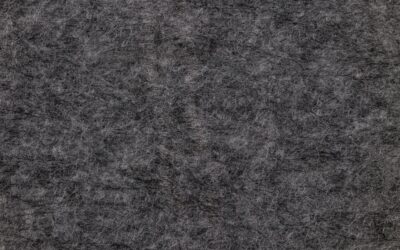
Gray is the ultimate flexible neutral. Unlike beige, which leans warm, or stark white, which shows every crumb, gray bridges color schemes. It grounds a bright, busy room and adds quiet contrast to a minimalist one. Practically speaking, mid-tone gray camouflages pet hair, footprints, and light soiling between cleanings, which makes it a favorite for living rooms and high-traffic spaces.
The result is a rug that coordinates with what you have today and still works when you redecorate later.
Choosing the Right Shade of Gray
Not all grays are equal, and undertone matters more than people expect:
- Cool gray: Hints of blue or green. Pairs with whites, blues, and modern decor for a crisp feel.
- Warm gray, or greige: Hints of beige or taupe. Softens a room and works with wood tones and earthy palettes.
- Light gray: Opens up small or dark rooms but shows dirt more readily.
- Charcoal: Dramatic and grounding, great for hiding stains, but can make a small room feel heavier.
Hold a swatch against your walls and furniture in daylight before committing, since the undertone shifts under different lighting.
Materials and Durability
The fiber determines how the rug feels and how long it lasts:
- Wool: Soft, durable, naturally stain-resistant, and a premium choice that costs more.
- Polypropylene: Affordable, stain-resistant, and easy to clean, ideal for busy households and indoor-outdoor use.
- Cotton: Casual and washable in smaller sizes, but less plush underfoot.
- Viscose blends: Silky and luxurious looking but more delicate and harder to clean.
For a family room with kids and pets, a polypropylene or wool rug holds up best. Save delicate viscose for low-traffic, formal spaces.
Getting the Size Right
Sizing is where most rug mistakes happen. As general guidance, the rug should be large enough that the front legs of your seating sit on it in a living room. Common sizes and uses include:
- 5 by 8 feet: Small living rooms, bedrooms, or under a coffee table.
- 8 by 10 feet: A versatile living room size that anchors a seating group.
- 9 by 12 feet: Large living and dining rooms where you want all furniture legs on the rug.
Leave a consistent border of bare floor, often 8 to 18 inches, around the rug rather than running it wall to wall.
Cost Expectations
Gray area rugs span a wide price range. A machine-made polypropylene rug in an 8 by 10 size can start in the low hundreds, while hand-knotted wool of the same size can run well into four figures. As a general guide, budget machine-made options often fall between $100 and $400, mid-range wool blends between $400 and $1,000, and premium hand-knotted pieces above that. Set your budget around the room’s traffic and how long you want the rug to last.
Styling a Gray Rug
Because gray is neutral, it gives you freedom to layer in color elsewhere. Add warmth with wood furniture, woven baskets, or terracotta accents. Bring in a pop of color through throw pillows, art, or a blanket, since the gray rug will not fight with them. For a layered, designer look, place a smaller patterned rug over a larger flat-weave gray base. A rug pad underneath adds cushion, prevents slipping, and extends the rug’s life.
Patterns vs Solid Gray
Gray comes in more than just flat solids, and the choice affects how the rug behaves in a room:
- Solid gray: The most versatile and calming, easy to layer with patterned pillows and art.
- Tonal or textured gray: Subtle variation that hides dirt and adds depth without a busy pattern.
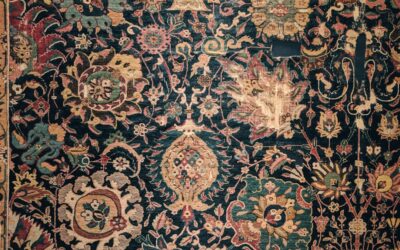
- Patterned gray: Geometric, distressed, or traditional motifs that become a focal point and disguise wear even better.
If the rest of your room is bold, a solid or tonal gray calms the space. If your furnishings are plain, a patterned gray rug adds the visual interest the room needs.
Room-by-Room Ideas
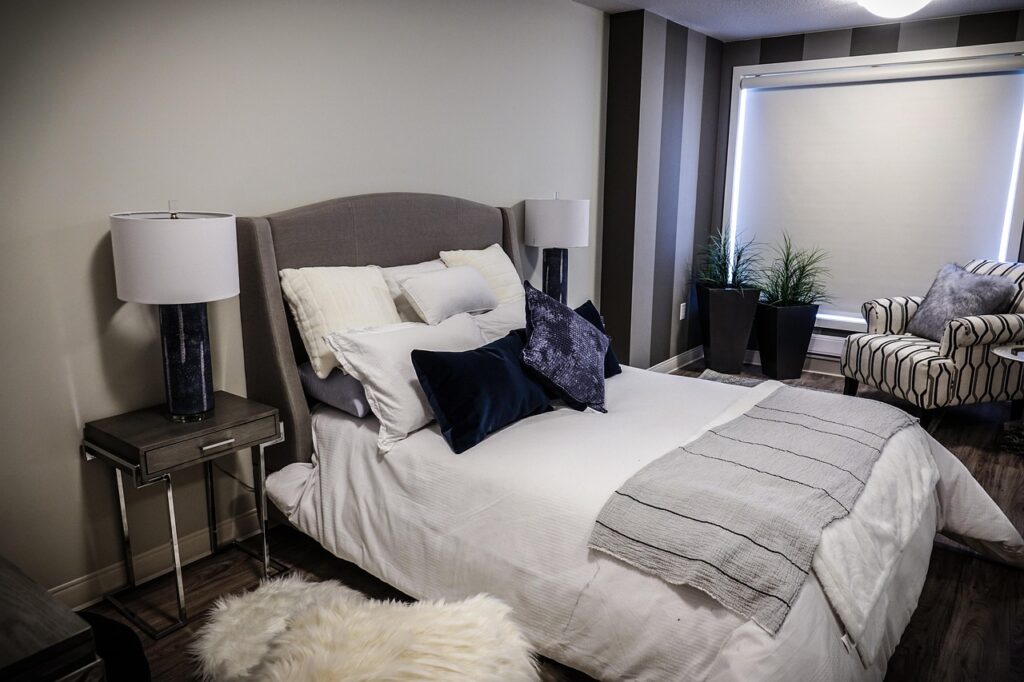
Gray adapts to nearly every room. In a living room, a mid-tone gray grounds a sofa and ties wood and metal accents together. In a bedroom, a soft gray under the bed adds a cushioned, calming foundation. In a dining room, a darker or patterned gray hides the inevitable crumbs and spills. In a home office or entry, a durable low-pile gray handles chair rollers and foot traffic. The neutral tone means the same rug can move from room to room if your needs change.
Matching Gray to Your Floor
Consider the floor beneath the rug as well as the walls. Over warm-toned wood like oak, a greige or warm gray harmonizes nicely, while a cool gray can feel mismatched against very golden floors. Over cool gray or whitewashed flooring, a cool-toned rug reads as intentional. On dark floors, a lighter gray rug provides welcome contrast and brightens the space. Bringing a sample home and laying it on your actual floor in daylight is the surest way to confirm the pairing works.
Common Mistakes to Avoid
A few missteps keep a gray rug from looking its best. The biggest is buying too small, which leaves furniture floating off the rug and the room feeling disjointed, so always size up when in doubt. Another is ignoring undertones, since a cool gray can clash badly with a warm room and read as dingy rather than crisp. Skipping the rug pad is a third, as it shortens the rug’s life and lets it slide. Finally, choosing a very light gray for a high-traffic, pet-heavy room invites visible soiling, where a mid-tone or charcoal would have hidden everyday dirt far better.
Is a Gray Area Rug Right for You?
If you want a versatile, forgiving foundation that flatters almost any decor and hides everyday wear, a gray area rug is one of the most reliable choices you can make. Match the undertone to your room, pick a durable fiber for your traffic level, and size it generously. Do that, and you end up with a rug that pulls the whole space together and keeps working through years of changing decor.