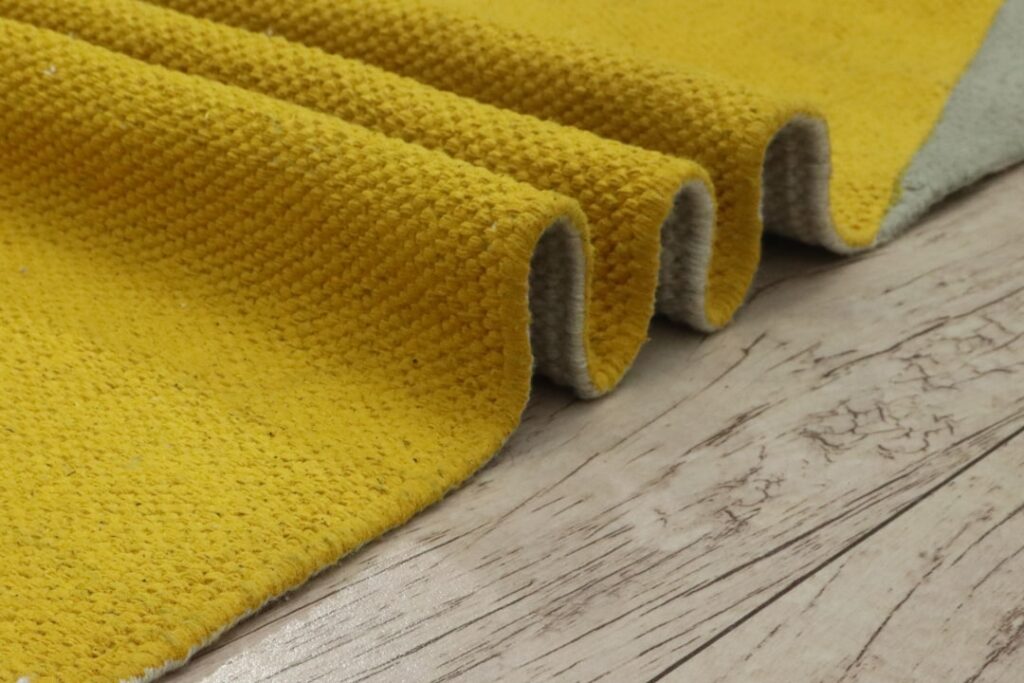
A yellow area rug is one of the fastest ways to inject warmth, energy, and personality into a room that feels flat. Whether you lean toward a soft buttery cream-yellow or a saturated mustard, the right rug anchors your furniture, defines a space, and pulls a color scheme together. The trick is knowing which shade, size, and material actually works for how you live.
This guide walks you through everything I cover with clients when they want a bold floor piece that still feels livable years down the road. Yellow is a confident choice, and a little planning keeps it from reading loud or dated.
Why Choose Yellow for Your Floors
Yellow is a high-impact color that does a lot of heavy lifting. In north-facing rooms that get cool, gray light, a warm yellow rug visually heats the space the way no lamp can. In a beige-and-white room that feels safe but sleepy, a single yellow rug becomes the focal point and gives the eye somewhere to land.
It also pairs surprisingly well. Yellow sits comfortably next to navy, charcoal, soft gray, white, and natural wood tones. Designers lean on it because it reads cheerful without demanding an entirely new palette. You keep your existing sofa and walls and let the rug do the talking.
Picking the Right Shade of Yellow
Not all yellows behave the same way, and the undertone matters more than the name on the label. Hold a sample against your wall color and flooring before you commit, because a swatch on a screen rarely matches what arrives at your door.
- Mustard and ochre: Muted, earthy, and forgiving. These deeper golds hide everyday soil better than pale shades and pair beautifully with mid-century and boho interiors.
- Buttery or pale yellow: Soft and airy, ideal for nurseries, bedrooms, and small rooms where you want brightness without intensity.
- Saffron and golden yellow: Rich and warm, great for adding luxury in living and dining spaces with neutral furniture.
- Lemon and citron: Cool, crisp, and modern. Striking in contemporary rooms, but show dirt faster, so reserve them for low-traffic areas.
As a rule, the more saturated the yellow, the more it will dominate. If you are nervous about commitment, start with a mustard or ochre. They feel grounded and age gracefully.
Sizing a Yellow Area Rug Correctly
Size is where most people go wrong. A rug that is too small floats in the middle of the floor like a postage stamp and makes the whole room feel cheaper. Measure your space and your furniture footprint before you shop.
- Living rooms: Choose a rug large enough that at least the front legs of every seating piece rest on it. An 8×10 covers most standard living rooms; go to 9×12 for larger, open layouts.
- Dining rooms: The rug should extend about 24 inches beyond the table edge on all sides so chairs stay on the rug when pulled out. A 6-seat table usually needs an 8×10.
- Bedrooms: A 5×8 at the foot of a queen bed works, or run a 9×12 under the bottom two-thirds of a king so your feet land on softness when you wake.
- Entryways and accents: A 2×3 or 3×5 yellow rug brings a pop of color where a larger piece would overwhelm.
When in doubt, size up. A slightly larger rug almost always makes a room feel more intentional and expensive.
Materials and Durability
The material determines how your rug feels underfoot and how long that cheerful color survives real life. Match the fiber to the room’s traffic and your tolerance for upkeep.
- Wool: The gold standard. Naturally stain-resistant, resilient, and it holds dye richly, so yellows stay vivid. Expect to pay more, often $8 to $20 per square foot, but it lasts decades.
- Polypropylene (olefin): Budget-friendly, fade-resistant, and easy to clean. A smart pick for sunny rooms and homes with kids or pets, often a third the cost of wool.
- Cotton: Soft, casual, and many flatweave cotton rugs are machine washable. Best for bedrooms and low-traffic spots.
- Jute and natural fiber blends: Bring texture, though pure yellow dye on jute reads more muted and earthy.
- Viscose: Looks silky and luxe but is delicate and water-sensitive. Skip it in dining rooms and high-traffic zones.
For sun-drenched rooms, fade resistance is your priority. Strong UV exposure will wash out a cheap dye job within a couple of years, so either choose a solution-dyed synthetic or a quality wool and rotate the rug every few months for even wear.
Styling a Yellow Rug in Different Rooms
Yellow plays well with restraint. Let the rug be the loudest element and keep the surrounding palette calmer so the room feels designed rather than chaotic.
In a living room, anchor a yellow rug with a gray or navy sofa and echo the yellow in one or two small accents, like a throw pillow or a vase, so the color feels deliberate. In a bedroom, a pale yellow rug under crisp white bedding feels fresh and serene. For a home office, a mustard rug paired with walnut furniture reads sophisticated and keeps you alert during long workdays.
Avoid surrounding a bold yellow rug with too many competing colors. Three colors in a room is plenty, and yellow should usually be one of them, not the fourth.
Cleaning and Maintenance
Lighter and brighter yellows show soil, so a maintenance routine keeps the color looking fresh. Vacuum weekly without a hard beater bar on delicate fibers, and blot spills immediately rather than rubbing them in.
For most synthetic rugs, a mild solution of water and a little dish soap handles spot cleaning. Always test on a hidden corner first. Wool benefits from professional cleaning every 12 to 18 months. Use a quality rug pad underneath every rug, both to prevent slipping and to cushion the fibers, which extends the life of the piece considerably.
What a Yellow Rug Costs
Prices vary widely by material and construction. A machine-made polypropylene yellow area rug in an 8×10 often runs $150 to $400. A hand-tufted wool rug in the same size typically lands between $600 and $1,500, while hand-knotted heirloom pieces climb higher. Treat these as general ranges; sales, fiber blends, and brand all shift the number.
Spend where it matters. In a high-traffic family room, a durable mid-range wool or solution-dyed synthetic earns its cost over time. In a guest room, a budget rug is perfectly sensible. A well-chosen yellow area rug brightens a space for years, so buy the best quality your budget allows in the rooms you use most.