Few color pairings feel as effortlessly right as green and white tile. Green brings the calm of the natural world, white brings light and crispness, and together they land somewhere between classic and current. It is a combination that reads fresh in a modern kitchen and equally at home in a vintage-inspired bath. The trick is knowing which shade of green, which pattern, and which grout will carry the look without tipping into either sterile or dated. This guide walks through the combinations that work.
Part of our Tile & Grout guide — explore the full guide →
Choosing Your Green
Green is not one color, and the shade you pick sets the entire mood. Soft sage and eucalyptus feel spa-like and quiet, perfect for a bathroom you want to relax in. Deep emerald and forest green read as rich and dramatic, ideal for a statement backsplash or a powder room where you want impact. Bright kelly or grass green brings retro cheer, while muted olive and moss lean earthy and organic.
Pair a warm green with warm whites like cream or ivory, and a cool green with crisp bright whites. Matching undertones keeps the two colors reading as partners rather than clashing.
Classic Patterns That Work
The pattern you choose does as much work as the color. A few time-tested layouts pair beautifully with a green-and-white palette.
- Subway tile: alternate green and white subway tile in a running bond, or run green subway with white grout for a clean, affordable classic.
- Checkerboard: square green and white tiles laid in a diagonal or straight grid for a vintage kitchen or entry.
- Zellige: handmade Moroccan zellige in a variegated green beside a white field brings artisan texture and gentle color shifts.
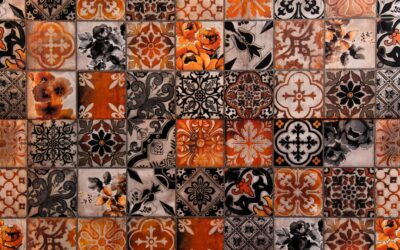
- Geometric and encaustic: patterned cement-look tiles that weave green motifs through a white base make a bold floor.
Zellige for Depth and Character
If you want the green-and-white look to feel handmade rather than mass-produced, zellige is the answer. These glazed clay tiles carry natural variation in tone and a slightly uneven, glossy surface that catches light differently across the wall. A field of green zellige beside white cabinetry gives a kitchen backsplash a living, layered quality that flat printed tile can never match. Expect and embrace the color variation; it is the whole point.
Best Rooms for the Combination
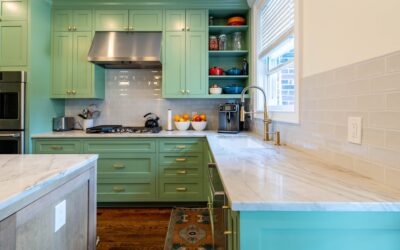
Green and white shines in a few spaces in particular. In the kitchen, a green backsplash against white uppers is a modern classic that feels both fresh and grounded. In the bathroom, sage or seafoam green wraps a shower in a spa-like calm. Powder rooms are the place to go bold, since a small space can carry deep emerald without overwhelming you. Mudrooms and laundry rooms benefit from a checkerboard floor that hides dirt while adding charm.
The Psychology of the Pairing
Part of why green and white feels so right is rooted in how we respond to the colors. Green is the hue our eyes read most restfully, associated with growth, health, and the outdoors, so it brings a subconscious sense of calm into a room. White signals cleanliness and light. Put them together and you get a space that feels both fresh and grounded at once, which is exactly the mood most people want in a kitchen or bath. That emotional pull is why the combination keeps returning across decades of design rather than burning out like a fad color.
Grout Choices Change Everything
Grout is the quiet decision that makes or breaks the finished look. Bright white grout with green tile keeps things crisp and highlights each tile’s shape, giving a clean, graphic feel. A soft gray grout tones down the contrast for a more relaxed, lived-in look that hides dirt better in a busy space. Matching the grout to the green tile makes the color read as a solid mass, which suits a bold monochrome statement.
For a subtle, elevated result, avoid stark white grout with a muted green, which can look harsh. A greige or light gray splits the difference and flatters nearly every green.
Material Options for Every Budget
Green and white spans every price point, so the palette works whether you are renovating a whole bath or refreshing a rental. On the affordable end, glazed ceramic subway and square tiles deliver crisp green and white for a few dollars a square foot. In the middle sit patterned porcelain and encaustic-look tiles that bring vintage character at a moderate cost. At the top, handmade zellige and green marble give artisan depth and natural variation that justify their premium.
Mixing tiers is a smart way to stretch a budget. Use an inexpensive white field tile across the bulk of a wall and splurge on a green zellige or marble accent band, so the money lands where the eye lingers. The contrast between a humble white and a rich green feature reads as intentional design rather than a compromise.
Layout Ideas That Elevate the Combo
The way you arrange green and white changes the whole personality of the room. A few approaches stand out.
- Color-blocking: a solid band of green below a chair-rail height with white above grounds a bathroom and adds a wainscot effect.
- Vertical stacking: stacked green subway tile reads modern and draws the eye upward.
- Green accent border: a thin green liner framing a white field adds definition without dominating.
- Random mix: scattering green tiles through a white field in a controlled pattern gives a playful, custom look.
Common Mistakes to Sidestep
A few missteps can undo an otherwise lovely green and white scheme. Choosing a green that clashes with your fixed elements, like a cool mint against warm brass and oak, creates tension rather than harmony, so match undertones. Overloading the room with green on every surface loses the crisp lift that white provides; the two colors need each other in balance. And pairing a muted, sophisticated green with a harsh stark-white grout can look jarring, when a soft gray or greige would flatter it far better. Keep the balance and the undertones in check and the pairing rarely goes wrong.
Keeping It Timeless
To keep a green and white tile installation from feeling dated in five years, anchor it with neutral surroundings. Let the tile be the color and keep countertops, cabinetry, and fixtures in white, wood, or brass. Choose a classic pattern over a trendy one for permanent surfaces, and save the boldest greens for elements you can change cheaply, like a backsplash rather than a whole floor. Green and white has cycled through a century of good design for a reason, and a thoughtful combination will still look intentional long after the trend cycle moves on.
Prefer to explore on your own?
See how new flooring looks in your actual room in seconds — free, no signup.
Try the free Floor Studio →