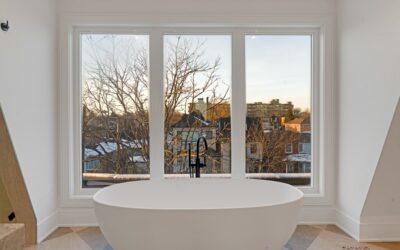
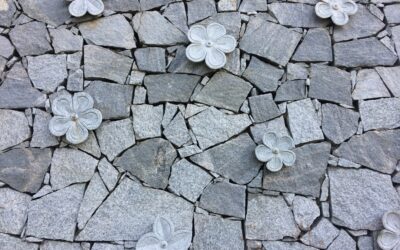
The grey stone aesthetic has its roots in Belgian bluestone kitchens, French limestone manor houses, and English slate hallways — none of which were chosen because they were trendy. They were the durable local stone that survived 200 years of use. Modern grey stone flooring draws from the same well, blending honest material with the cool neutral palette that dominates contemporary interiors. The buying decisions, though, are technical, and getting them wrong leaves you with a beautiful floor that fails in five years.
What Counts as Grey Stone Flooring
The category covers natural stone slabs and tiles in cool grey tones, along with porcelain and engineered alternatives that mimic them. The five workhorse natural stones are slate, bluestone (Pennsylvania or Belgian), limestone, basalt (also called lava stone), and certain grey granites and quartzites.
Each varies dramatically in hardness, porosity, and chemical resistance. A “grey stone floor” can mean a 5,000-year-service-life basalt slab or a 10-year-life soft limestone, and the visual difference at install is small.
The Five Natural Stone Options
- Slate — $5-12 per sq ft material; cleft natural surface; varying greys from charcoal to silver; Janka equivalent very hard
- Pennsylvania bluestone — $6-14 per sq ft; sandstone derivative; honed or thermal finish; classic American grey
- Belgian bluestone — $14-25 per sq ft; very dense limestone; consistent dark blue-grey; the chef’s kitchen choice
- Limestone — $7-18 per sq ft; softer; warmer grey; range from French Massangis to Indian Kota
- Basalt / lava stone — $12-22 per sq ft; volcanic; nearly indestructible; deep charcoal grey
Pros of Natural Grey Stone
Service life is the headline. A bluestone or basalt floor in a residential setting lasts essentially forever — the historical record runs to centuries. Refinishing is straightforward: hone or polish to remove wear and small scratches restore the floor to factory condition.
Each tile is unique. Natural variation in grain, fossil inclusion, and color gradient means no two installations look identical. The slight imperfections read as character rather than flaws once you understand the material.
Resale value is real on premium installations. Belgian bluestone in a kitchen routinely adds 5-10% to appraisal values in upscale markets compared to porcelain alternatives.
Cons That Need Real Planning
Cold underfoot is the headline complaint. Natural stone with no underfloor heating measures 8-12°F cooler than the room air at the surface. Plan for in-floor electric or hydronic heat ($6-10 per sq ft additional) if you want stone in bedrooms or sitting areas.
Sealing is non-optional on porous stone. Limestone and most slates need penetrating impregnator sealer (Aqua Mix, Stone Tech, or DuPont) every 1-3 years. Skip a year and you get permanent stains from olive oil, red wine, and pet accidents.
Brittleness varies. Slate and bluestone resist abuse well; limestone chips at sharp edges and dents under heavy point loads. Drop a cast-iron skillet on limestone and you might dent the floor permanently.
Porcelain Alternatives
Premium porcelain in grey stone-look formats now reads almost identical to natural stone in photographs. Brands like Marazzi, Daltile, Atlas Concorde, and Florim offer grey stone visuals at $4-9 per sq ft material — roughly half the cost of natural stone with zero sealing maintenance.
The trade-offs are real. Porcelain reads slightly less authentic up close because the patterns repeat every 6-10 tiles. Repairs are harder because exact tile matches go obsolete in 3-5 years. And the surface temperature is even colder than natural stone since porcelain has lower thermal mass.
Surface Finish Options
- Polished — high gloss; shows every scratch; reserved for low-traffic formal spaces
- Honed — matte; smooth; the most popular finish for kitchens and baths
- Cleft / natural — split surface; high texture; great slip resistance; not for kitchens where you spill
- Thermal / flamed — heat-treated rough surface; outdoor-grade slip resistance
- Tumbled — softened edges and surface; old-world look; good for traditional homes
- Brushed — wire brushed for tactile texture; modern Japandi-adjacent feel
Slip Resistance Realities
Polished stone wet drops to 0.20-0.30 dynamic coefficient of friction — well below the 0.42 ANSI/ADA threshold. Honed reads 0.35-0.45 wet. Cleft and thermal exceed 0.55 wet. For kitchens, baths, and entry areas, choose honed or rougher. Polished belongs only in dining rooms, formal living rooms, and similar low-spill zones.
Installation Specifications
Use modified thinset like Mapei Kerabond Plus or Custom Building Products MegaLite. Trowel size depends on tile thickness — typically 1/2 inch square notch for stone over 12 inches square. Back-butter every tile for 95% mortar coverage; voids under stone become breakage points later. Use a leveling system like Tuscan SeamClip or Raimondi to keep lippage under 1/32 inch.
Movement joints every 20-25 feet, at every wall, and at every change in plane. Use color-matched silicone, not grout, in those joints. Subfloor must deflect less than L/720 per TCNA guidelines for natural stone — that is double the L/360 minimum for ceramic.
Pricing Total Installed
- Slate, contractor install: $12-20 per sq ft turnkey
- Pennsylvania bluestone, contractor install: $14-22 per sq ft
- Belgian bluestone, contractor install: $24-38 per sq ft
- Limestone, contractor install: $16-30 per sq ft
- Basalt, contractor install: $22-35 per sq ft
- Porcelain stone-look, contractor install: $9-16 per sq ft
Daily Care for Grey Stone
Sweep or dry microfiber daily — grit acts like sandpaper on honed surfaces. Damp mop weekly with a stone-specific pH-neutral cleaner like Aqua Mix Concentrated Stone and Tile Cleaner. Reseal every 1-3 years depending on traffic and stone porosity. Spot-clean spills within 30 minutes; tomato sauce, wine, and citrus etch some stones in 1-2 hours.
Final Word
For a forever home with the budget for it, Belgian bluestone or basalt sets a benchmark almost nothing else matches. For mid-budget, Pennsylvania bluestone or quality slate at $14-22 per sq ft installed delivers 90% of the look at half the price. For tight budgets, premium grey-stone-look porcelain at $9-16 per sq ft installed is the smart compromise — less authentic up close but virtually maintenance-free for 25-30 years.
Prefer to explore on your own?
See how new flooring looks in your actual room in seconds — free, no signup.
Try the free Floor Studio →