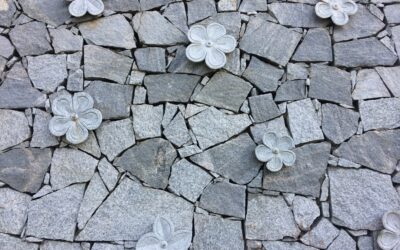
Few surfaces bring the depth, texture, and permanence of natural stone, and in a kitchen that stone floor becomes the anchor the whole room is built around. Stone tile flooring kitchen projects reward you with a one-of-a-kind surface no manufactured product can copy, but natural stone is porous, variable, and demanding in ways homeowners should understand before falling for a showroom sample. The right stone, properly sealed and slip-rated, lasts a lifetime; the wrong one stains, etches, and frustrates within a year.
Part of our Kitchen Remodeling guide — explore the full guide →
- The Main Stone Options for Kitchens
- Sealing Is Not Optional
- Slip Resistance and the DCOF Rating
- Stone Versus Porcelain: An Honest Comparison
- Installation Considerations
- Living With a Stone Floor
- Finishes and How They Change the Stone
- Grout, Layout, and Cold Underfoot
- Budgeting the Whole Project
- The Bottom Line
The Main Stone Options for Kitchens
Not all natural stone behaves the same underfoot. Each type trades looks against durability and maintenance.
- Granite: The hardest common option, dense and highly stain- and scratch-resistant. The most forgiving stone for a busy kitchen.
- Slate: Naturally slip-resistant thanks to its cleft texture, durable, and warm in tone. An excellent, practical kitchen choice.
- Travertine: Warm, Mediterranean, and beautiful, but soft and full of pits that must be filled and sealed.
- Marble: Stunning and elegant, but soft and acid-sensitive, so it etches from lemon juice, vinegar, and wine. High-maintenance in a kitchen.
- Limestone: Soft and porous with a calm, uniform look, but stains easily and needs diligent sealing.
For most working kitchens, granite and slate top the list because they combine hardness with real stain resistance.
Sealing Is Not Optional
Every natural stone floor in a kitchen must be sealed, because raw stone is porous enough to soak up spilled wine, oil, and tomato sauce like a sponge. You will typically apply a penetrating (impregnating) sealer at installation and reapply it periodically, anywhere from once a year for soft travertine and limestone to every few years for dense granite. A simple test tells you when to reseal: drop water on the floor, and if it soaks in and darkens rather than beading, it is time. Skipping sealer is the number one reason stone kitchen floors stain permanently.
Slip Resistance and the DCOF Rating
A kitchen floor gets wet, greasy, and busy, so traction matters as much as looks. The industry measures this with the DCOF, or Dynamic Coefficient of Friction. For interior floors expected to get wet, aim for a DCOF of 0.42 or higher, the widely referenced threshold for acceptable slip resistance.
- Honed or tumbled finishes: Matte, textured surfaces with better traction, the safer choice for kitchen floors.
- Polished finishes: Glossy and beautiful but slick when wet, better reserved for walls or low-splash areas.
- Cleft slate: Naturally grippy texture, one of the most slip-resistant stones available.
Stone Versus Porcelain: An Honest Comparison
Before committing to natural stone, weigh it against porcelain tile, which now mimics stone convincingly.
- Authenticity: Natural stone has genuine depth and uniqueness; porcelain is a printed reproduction, however good.
- Maintenance: Porcelain is non-porous and needs no sealing; stone requires ongoing sealing and gentler cleaners.
- Durability: Porcelain resists stains and etching better than soft stones like marble and limestone.
- Cost: Stone runs $5 to $20-plus per square foot for material; porcelain often costs less and installs similarly.
- Cleaning chemistry: Stone demands pH-neutral cleaners, since acids etch it, while porcelain tolerates ordinary cleaners.
Choose natural stone when authenticity and character matter most to you; choose porcelain when you want the stone look with far less maintenance.
Installation Considerations
Stone is heavy and unforgiving of a flexing subfloor, so a rigid, well-supported base is essential to prevent cracked tiles and grout. Many installers add a cement backer board or an uncoupling membrane over the subfloor. Natural stone also varies piece to piece, so dry-lay tiles from several boxes first to blend the color and veining. Because stone can be cold and hard underfoot, a kitchen stone floor pairs especially well with radiant floor heating, which most stone conducts efficiently.
Living With a Stone Floor
Daily care is simple but specific: sweep or dust-mop grit that would scratch the surface, wipe spills promptly, and damp-mop with a pH-neutral stone cleaner rather than vinegar or general-purpose products that etch and dull the finish. Keep the sealer current, use rugs at the sink and stove, and your stone floor will age into a rich patina rather than a stained mess.
Finishes and How They Change the Stone
The same slab of stone can look and behave very differently depending on how its surface is finished, and in a kitchen that finish affects both safety and upkeep.
- Polished: A glossy, reflective surface that shows the stone’s color and veining best, but is slippery when wet and shows scratches and etching readily.
- Honed: A smooth matte finish with better traction and a more forgiving look, the popular choice for kitchen floors.
- Tumbled: Softened, rounded edges and a rustic, textured surface with good grip, common in travertine.
- Brushed or leathered: A subtly textured finish that hides smudges and adds slip resistance while keeping some depth of color.
For a working kitchen floor, honed or tumbled finishes almost always beat polished, trading a little shine for meaningfully better traction and easier maintenance.
Grout, Layout, and Cold Underfoot
Stone tile is only as good as the grout and layout around it. Because grout lines are the most porous part of the floor, use a stain-resistant grout and seal the grout along with the stone, then keep it clean, since dark, greasy grout lines are what make an aging stone floor look tired. Wider tiles mean fewer grout lines to maintain, while smaller tiles and mosaics add traction but more grout to seal.
Stone also runs cold and hard, which some homeowners love in a warm climate and dislike in a cold one. If comfort underfoot matters, pair the floor with in-floor radiant heating, which most stone conducts efficiently and which turns a chilly surface into a cozy one on winter mornings. Anti-fatigue mats at the sink and stove also ease the hardness during long stretches of standing.
Budgeting the Whole Project
Sticker-shopping on tile alone underestimates a stone floor. Beyond the $5 to $20-plus per square foot for the material, budget for a rigid subfloor or uncoupling membrane, professional installation of heavy tiles, sealer, and periodic resealing over the years. A realistic installed cost often lands well above the material price, especially for soft stones that demand careful handling. That said, a properly installed and maintained stone floor can last the life of the home, so the cost spreads across decades. Weigh that longevity against porcelain’s lower upfront and maintenance cost when you decide.
The Bottom Line
A stone tile flooring kitchen delivers character, permanence, and natural beauty that manufactured products cannot match, but it asks for commitment in return. Favor durable, slip-resistant stones like granite and honed slate, seal diligently, insist on a DCOF of 0.42 or higher for wet-area traction, and be honest about whether porcelain’s lower maintenance suits your life better. Match the stone to how you actually cook and clean, and it becomes the timeless heart of the kitchen.
Prefer to explore on your own?
See how new flooring looks in your actual room in seconds — free, no signup.
Try the free Floor Studio →