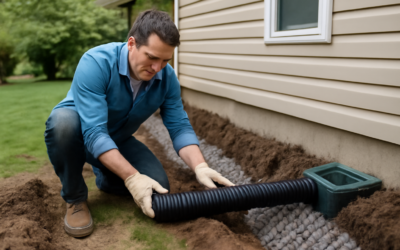
Water is the quiet enemy of every home. It pools against foundations, floods basements, and turns a healthy lawn into a swamp, and most of that damage is preventable with proper drainage. A well-planned ground drain moves surface and subsurface water away from your house before it can cause cracks, mold, or thousands of dollars in foundation repair. Yet drainage is one of the most overlooked parts of home maintenance, usually because it’s invisible until something goes wrong.
This guide explains the main types of ground drains, how they’re installed, what they cost, and how to keep them working for decades. Whether you’re fighting a soggy yard or protecting a finished basement, understanding your options helps you spend money where it actually matters.
What a Ground Drain Does and Why It Matters
At its core, a ground drain collects water and redirects it to a safe discharge point, such as a storm sewer, a dry well, or a daylight outlet downhill from the house. Surface drains handle water that pools on patios, driveways, and low spots in the yard. Subsurface drains tackle the water moving through soil that builds hydrostatic pressure against foundation walls.
Ignoring drainage is expensive. Foundation repairs routinely run $5,000 to $15,000, and chronic moisture invites mold remediation on top of that. By comparison, a drainage system installed correctly the first time is cheap insurance against the most costly problems a house can develop.
Common Types of Ground Drains
No single drain solves every water problem, so most properties end up using a combination. Knowing the strengths of each type helps you match the solution to the symptom.
French Drains
A French drain is a gravel-filled trench containing a perforated pipe wrapped in landscape fabric. Water seeps through the gravel, enters the pipe, and flows away by gravity. These excel at handling subsurface water and are the go-to fix for soggy yards and wet basement walls. A typical residential French drain runs 18 to 24 inches deep with the pipe sloped at least 1 percent, meaning a quarter inch of drop per foot.
Channel and Trench Drains
These are surface drains with a long grated channel set flush into concrete, ideal for driveways, garage aprons, and pool decks where sheet water needs to be intercepted quickly. They catch a wide swath of runoff and carry it to a pipe below.
Catch Basins and Area Drains
A catch basin is a boxed inlet with a grate that collects water from a low point and funnels it into underground pipe. A built-in sump at the bottom traps sediment so it doesn’t clog the line. These pair well with downspouts and yard low spots.
Planning Your Drainage Layout
Good drainage starts with watching where water actually goes. After a heavy rain, walk the property and note where it pools, which direction the ground slopes, and where downspouts dump. The single most common cause of foundation moisture is downspouts emptying right at the base of the house, so extending them at least 6 feet away solves a surprising number of problems on its own.
From there, map the lowest practical discharge point. Gravity does the work, so every drain needs continuous downhill slope to its outlet. If your lot is flat, you may need a sump pump to lift water mechanically, which adds cost and a power dependency you’ll want to plan around.
Installation: DIY or Hire a Pro
A short, simple French drain across a wet flowerbed is within reach for a determined DIYer with a strong back and a rented trencher. The materials are inexpensive, mostly gravel, perforated pipe, and fabric, and the concept is straightforward.
Larger systems are a different story. Foundation drainage, deep trenches near utility lines, and any work that ties into a municipal storm sewer should go to a licensed contractor. They’ll handle the locate call to mark buried gas, water, and electric lines, calculate proper slope with a laser level, and pull permits where required. Cutting corners here risks hitting a utility or building a drain that doesn’t actually flow.
- Call 811 before any digging to locate buried utilities
- Maintain a minimum 1 percent slope toward the outlet
- Wrap perforated pipe in fabric to keep silt out
- Use clean, washed gravel rather than fine fill that clogs
What a Ground Drain Costs
Pricing varies with length, depth, and access, but rough ranges help with budgeting. A basic French drain professionally installed typically costs $25 to $60 per linear foot, so a 50-foot run might land between $1,250 and $3,000. Interior basement drainage tied to a sump pump runs higher, often $3,000 to $7,000 for a full perimeter system. Channel drains in concrete add the expense of cutting and patching the slab.
DIY slashes labor, which is the bulk of the cost, but you take on the risk of mistakes. For a small project the savings are real; for foundation work the professional warranty is usually worth the premium.
Maintaining Your Drain System
Drains are not install-and-forget. Sediment, roots, and leaves gradually reduce flow, so inspect grates and catch basins seasonally and clear any debris. Flush French drains with a hose once or twice a year to confirm water still moves freely, and snake the line if it backs up. If you have a sump pump, test it before the rainy season and consider a battery backup so a power outage during a storm doesn’t flood the basement at the worst possible moment.
Common Ground Drain Mistakes to Avoid
Even well-intentioned drainage projects fail when a few key details get overlooked. The most frequent error is insufficient or reversed slope, where a trench that looks level actually traps water in a low spot that never drains. Always verify grade with a level rather than trusting your eye across a long run.
Another classic mistake is omitting the landscape fabric around perforated pipe, which lets fine silt wash in and clog the system within a couple of seasons. Using fine dirt or unwashed fill instead of clean gravel does the same thing. Homeowners also frequently discharge water somewhere it just flows back, like a neighbor’s yard or a low corner of their own lot, instead of a true outlet. Finally, skipping the 811 utility locate call before digging can turn a weekend project into a dangerous and expensive disaster. Avoiding these handful of pitfalls puts you ahead of most amateur installations.
Final Thoughts
A ground drain is one of those upgrades nobody admires at a dinner party, but it quietly protects the most valuable thing you own. Identify where water collects, choose the drain type that fits the problem, install it with proper slope, and keep it clear. Do that, and you’ll keep your foundation dry, your yard usable, and your repair budget intact for the projects you actually enjoy.