Grout lines collect everything: soap scum, mildew, grease, and ground-in dirt that a flat mop or sponge simply slides over. A dedicated grout brush reaches into those narrow recessed lines and scrubs them clean, restoring tile that looked permanently dingy. This guide breaks down the types of grout brushes, which bristles suit which surface, the technique that gets the best results, and what you should pay.
Part of our Tile & Grout guide — explore the full guide →
Why a Grout Brush Beats a Sponge
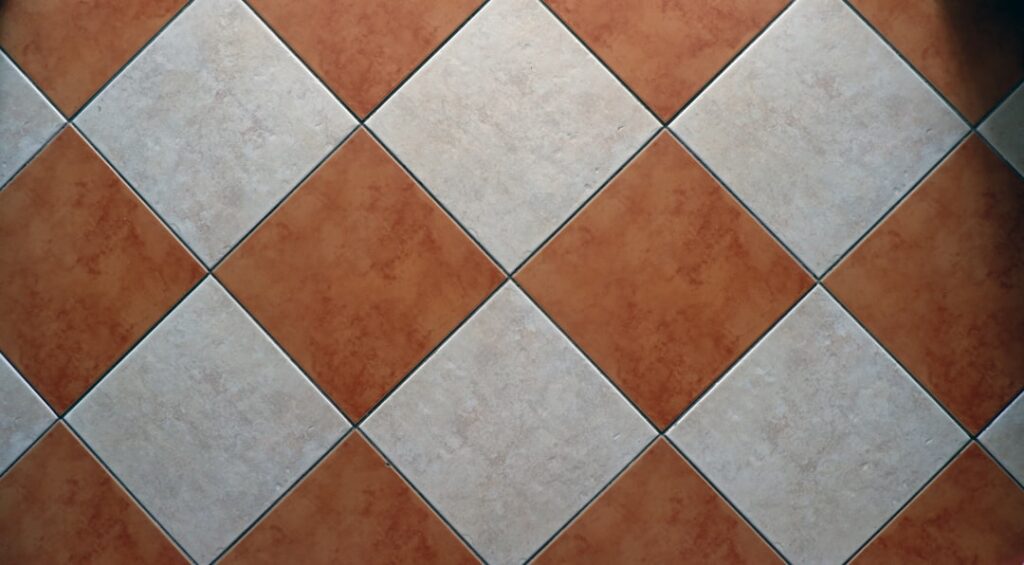
Grout is porous and sits slightly below the tile surface, so it traps grime in a channel that flat cleaning tools cannot reach. A brush with stiff, narrow bristles digs into that channel and agitates the dirt loose. The shape matters as much as the stiffness; a thin profile lets the bristles ride down into the joint instead of skimming the tile faces.
Without proper agitation, even strong cleaners underperform on grout because the chemical never makes full contact with the embedded soil. The brush does the mechanical work that lets the cleaner finish the job.
Types of Grout Brushes
Several designs exist, each suited to a different job and effort level.
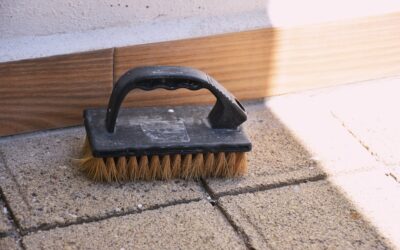
- Handheld stiff-bristle brushes — a small head on a comfortable grip; the everyday choice for floors and showers.
- V-shaped or angled brushes — bristles arranged to fit into the grout channel and clean both edges at once.
- Detail or toothbrush-style brushes — tiny heads for corners, edges, and tight backsplash lines.
- Long-handle grout brushes — let you scrub floors standing up to spare your knees and back.
- Drill-attachment brushes — nylon brush heads that chuck into a cordless drill for power scrubbing large areas.
For a big tile floor or a whole shower, a drill-attachment brush saves a lot of elbow grease. For touch-ups and tight spots, keep a small detail brush handy.
Bristle Material Matters
Matching the bristle to your surface prevents damage. Stiff nylon is the all-around favorite because it is tough on grime but gentle enough for most tile and grout. Brass and steel bristles cut through heavy buildup but can scratch glazed tile, etch stone, and even gouge soft grout, so reserve them for unglazed surfaces and stubborn jobs only.
- Soft nylon — for delicate or polished surfaces and routine cleaning.
- Stiff nylon — the everyday workhorse for ceramic and porcelain grout.
- Brass — for tough buildup on durable, non-delicate surfaces.
- Steel — aggressive; use with caution and never on natural stone or glazed tile.
How to Clean Grout Effectively
Technique turns a decent brush into a great result. Work the cleaner in, give it time, and scrub with purpose.
- Sweep or vacuum the tile first so loose grit does not scratch the surface.
- Apply your cleaner directly to the grout lines and let it sit several minutes.
- Scrub along the line, not across it, using short back-and-forth strokes.
- Rinse with clean water and wipe up the loosened dirt before it resettles.
- For mildew, a paste of baking soda and water plus a little white vinegar foams up and lifts staining.
For deep stains, oxygen bleach mixed to a paste and left on for 10 to 15 minutes before scrubbing works well without the harsh fumes of chlorine bleach. Always test any cleaner on an inconspicuous spot, especially on colored grout and natural stone.
What You Will Pay
Grout brushes are inexpensive. A basic handheld stiff-bristle brush runs about $5 to $12. Multi-packs with different head shapes go for roughly $10 to $20. Long-handle versions cost around $15 to $30, and drill-brush attachment kits run about $10 to $25. Even a full set of brushes for every job rarely tops $40, making this one of the cheapest upgrades to your cleaning routine.
Maintenance and Sealing After Cleaning
Rinse the brush thoroughly after each use and let it dry bristle-side up so it does not flatten or grow mildew. Replace any brush whose bristles have splayed or worn down, since a flattened head just smears dirt around.
Once grout is clean and fully dry, consider applying a penetrating grout sealer. Sealed grout resists future staining and makes the next cleaning far easier. Reseal high-traffic and wet areas every year or two to keep the lines looking fresh.
Manual vs Power Grout Brushes
For a small backsplash or a few stained lines, a handheld brush and a few minutes of scrubbing get the job done with full control. But for a large tile floor, a walk-in shower, or whole-house grout cleaning, a manual brush is a slow grind on your hands and knees. That is where a drill-mounted brush head shines, spinning at hundreds of rotations per minute to do in seconds what manual scrubbing takes minutes to accomplish.
Power brushes do call for a lighter touch. Let the spinning bristles do the work and keep the drill on a low speed so you do not fling cleaner across the room or wear down soft grout. Always test on a small area first, since aggressive power scrubbing can damage delicate tile or colored grout.
Matching the Brush to the Job
Think about the surface and the soil before you grab a brush. A glossy ceramic backsplash with light grease wants a soft-to-stiff nylon brush and a degreasing cleaner. A textured floor with ground-in dirt benefits from a stiff nylon brush and a longer dwell time for the cleaner. Heavy mineral buildup on shower grout may need an acidic cleaner, but never use acid on natural stone, where it will etch the surface.
Keeping two or three brush shapes on hand, a wide head for open areas, a narrow head for tight lines, and a detail brush for corners, lets you clean efficiently without forcing one tool to do every job.
Final Thoughts
A good grout brush is a small tool with an outsized impact on how clean your tile looks. Pick the right bristle for your surface, let the cleaner do chemical work while the brush does mechanical work, and finish with a sealer, and you can keep grout lines looking new for years without replacing a single tile.