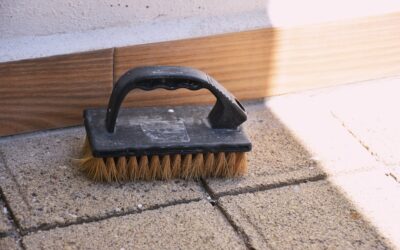
Grimy grout lines and dull tile can make an otherwise clean room look neglected, and the right tool makes all the difference. A quality tile cleaning brush cuts through soap scum, mildew, and embedded dirt far more effectively than a cloth or sponge, reaching into the textured grooves where grime hides. Whether you are tackling a shower wall, a kitchen backsplash, or a large tile floor, choosing the correct brush saves time, effort, and sore knees. This guide explains the types available, what features matter, and how to pick the best brush for your needs.
Part of our Tile & Grout guide — explore the full guide →
Many homeowners struggle for years with tile that never quite looks clean, blaming their cleaning products when the real culprit is the wrong tool. A cloth or sponge simply cannot reach into the textured surface of tile or the recessed channels of grout, so it glides over the very places where grime accumulates. Switching to a purpose-built brush is often the single change that transforms disappointing results into genuinely sparkling floors and walls. The right brush concentrates your scrubbing power exactly where it is needed, breaking dirt free from the crevices that flat tools miss entirely. Just as importantly, choosing the correct brush protects your tile, because matching bristle stiffness to the surface lets you clean aggressively where you can and gently where you must. With so many styles available, from compact grout brushes to powered spin scrubbers, there is a tool suited to every task and every level of effort you are willing to spend. Understanding the options and how they differ is the key to working smarter rather than harder, and it begins with appreciating why a dedicated brush makes such a difference.
- Why a Dedicated Tile Cleaning Brush Matters
- Types of Tile Cleaning Brushes
- Bristle Types and Stiffness
- Manual Versus Powered Brushes
- Features to Look For When Buying
- How to Use a Tile Cleaning Brush Effectively
- Care and Maintenance of Your Brush
- Pairing Your Brush With the Right Cleaner
- Safety and Surface Protection Tips
- Choosing the Right Tile Cleaning Brush for You
Why a Dedicated Tile Cleaning Brush Matters
Tile surfaces and especially grout lines are textured and porous, trapping dirt that flat cleaning tools simply glide over. A dedicated tile cleaning brush has stiff, purposeful bristles that dig into those recesses and scrub away buildup a sponge leaves behind. Grout in particular is notorious for holding onto mildew and discoloration, and only a firm-bristled brush combined with the right cleaner truly restores it. Using the proper brush also protects your tile, since the correct bristle stiffness cleans effectively without scratching glazed surfaces or damaging softer natural stone.
Types of Tile Cleaning Brushes
Tile brushes come in several forms, each designed for a particular task and surface. Understanding the options helps you build the right cleaning arsenal.
- Handheld scrub brushes: Compact and controllable, ideal for showers, backsplashes, and detail work.
- Grout brushes: Narrow, stiff-bristled brushes shaped to fit precisely into grout lines.
- Long-handled floor brushes: Let you scrub floors while standing, saving your back and knees.
- Electric or drill-attachment brushes: Powered scrubbers that spin to remove tough grime with minimal effort.
- Brushes with squeegee edges: Combine scrubbing and wiping for shower walls and glass.
Bristle Types and Stiffness
The bristles are the heart of any tile cleaning brush, and matching them to your surface is crucial. Stiff nylon bristles are the versatile workhorse, tough enough for grout and glazed tile yet gentle enough to avoid scratching. Extra-firm or wire bristles tackle the most stubborn grout stains but should never touch delicate glazed or natural stone surfaces, which they can scratch. Softer bristles suit polished stone and other sensitive materials. Consider keeping a couple of brushes with different stiffness levels so you always have the right one for the surface at hand.
Manual Versus Powered Brushes
One of the biggest decisions is whether to scrub by hand or use a powered tool. Manual brushes are affordable, require no batteries or attachments, and give you precise control, making them perfect for small jobs and delicate surfaces. Powered options, including electric spin scrubbers and drill-brush attachments, dramatically reduce the physical effort of large or heavily soiled areas, letting the motor do the hard work. For homeowners with extensive tile, ongoing shower mildew, or physical limitations, a powered brush is a worthwhile investment that turns a grueling chore into a quick task.
Features to Look For When Buying
Beyond bristle type and power, several practical features separate a good tile cleaning brush from a frustrating one. Keeping these in mind while shopping ensures you end up with a tool you will actually enjoy using.
- A comfortable, non-slip handle that stays secure when wet.
- An ergonomic or angled head to reach corners and edges.
- Durable, chemical-resistant bristles that hold their shape.
- An extendable handle for floors and high shower walls.
- Replaceable heads on powered models to extend the tool’s life.
How to Use a Tile Cleaning Brush Effectively
Technique amplifies the power of any brush. Start by applying your cleaner and letting it dwell for a few minutes to loosen grime before you scrub, which reduces the elbow grease required. Work in small sections, scrubbing grout lines along their length and using firm, consistent pressure. For grout, a back-and-forth motion works best, while circular motions suit broad tile faces. Rinse frequently to see your progress, and finish by wiping the surface clean and drying it to prevent new water spots and streaks from forming.
Care and Maintenance of Your Brush
A well-maintained brush lasts longer and cleans better. After each use, rinse the bristles thoroughly to remove cleaning residue and trapped debris, then shake out excess water and let the brush air-dry with the bristles facing up or hanging so they keep their shape. Store brushes away from prolonged sun and heat, which can degrade the bristles. Replace any brush once the bristles splay, flatten, or lose their stiffness, since worn bristles clean poorly and can smear grime rather than lift it.
Pairing Your Brush With the Right Cleaner
Even the best brush works better alongside a suitable cleaning solution, and the two together do the heavy lifting. For everyday grime on glazed tile, a pH-neutral cleaner protects the finish while lifting dirt. Grout mildew and discoloration respond well to oxygen bleach, which brightens without the harshness of chlorine, or to a paste of baking soda and water for a gentle scrub. Soap scum in showers surrenders to a mildly acidic cleaner, though you must keep acids away from natural stone, which they can etch. For tough grease in kitchen backsplashes, an alkaline degreaser paired with a stiff nylon brush cuts through buildup fast. Always let the cleaner dwell for a few minutes before scrubbing so it can loosen the grime, reducing the effort your brush has to supply and sparing your arms in the process.
Safety and Surface Protection Tips
Cleaning tile aggressively can backfire if you damage the surface, so a few precautions keep your floors and walls safe. Always match bristle stiffness to the material, reserving wire and extra-firm brushes for durable unglazed surfaces and never using them on polished stone or delicate glaze. Test any new cleaner and brush combination in an inconspicuous corner first. Wear gloves when handling stronger cleaners, and ventilate the room well.
- Never use wire bristles on glazed tile or natural stone.
- Test cleaners in a hidden spot before full use.
- Wear gloves and ventilate when using strong products.
Choosing the Right Tile Cleaning Brush for You
The best tile cleaning brush is the one matched to your surfaces, your spaces, and your comfort. For grout and detail work, a stiff-bristled handheld or dedicated grout brush excels; for large floors, a long-handled or powered scrubber spares your back; and for tough, recurring grime, a drill attachment or electric spinner delivers effortless power. Prioritize durable bristles, a secure grip, and the right stiffness for your tile, then pair the brush with a good cleaner and proper technique. With the correct tool in hand, sparkling tile and bright grout are well within reach.
Prefer to explore on your own?
See how new flooring looks in your actual room in seconds — free, no signup.
Try the free Floor Studio →