Scrubbing a bathtub on your hands and knees is one of the worst chores in the house, and the right tub cleaning brush is what turns it into a five-minute job you can do standing up. The trick is matching the brush type and bristle stiffness to your tub’s surface, because the wrong combination either scratches the finish or barely touches the grime. This guide breaks down the main brush styles and how to choose without wasting money on tools that don’t fit your bathroom.
- Why a Dedicated Tub Brush Beats a Sponge
- The Main Types of Tub Cleaning Brushes
- Stiff vs. Soft Bristles: Match the Surface
- What to Look for When Buying
- Getting the Most From Your Brush
- Matching the Brush to Your Situation
- Brush Materials and What They Mean for You
- Caring for Your Tub Brush
- The Bottom Line
Why a Dedicated Tub Brush Beats a Sponge
A sponge or rag forces you to bend, kneel, and press hard, which is rough on your back and knees and leaves you reaching awkwardly into corners. A proper brush adds leverage, reach, and scrubbing power. Stiffer bristles dig into textured tub bottoms and grout lines that a flat sponge skips over entirely, and a long handle keeps you upright and out of the cleaning chemicals.
The Main Types of Tub Cleaning Brushes
Long-Handle Brushes
These have a brush head on a pole, often two to four feet long, sometimes telescoping. They’re the workhorse choice for most bathrooms. You stand beside the tub and scrub the bottom, sides, and far corners without kneeling. Look for a swivel or pivoting head that lays flat against curved tub surfaces, and a comfortable grip. Telescoping models double as a shower-wall and ceiling cleaner, stretching your money further.
Electric Spin Brushes
Battery-powered or rechargeable spin brushes do the scrubbing for you with a rotating head. They’re a strong pick if you have arthritis, limited strength, or stubborn soap scum that resists hand pressure. Most come with interchangeable heads in different sizes and stiffness so one tool handles the tub, tile, grout, and even faucets. Choose a waterproof, rechargeable model rather than one that needs constant battery swaps, and check that it has enough torque to keep spinning under pressure rather than stalling the moment you push.
Short Handheld Scrub Brushes
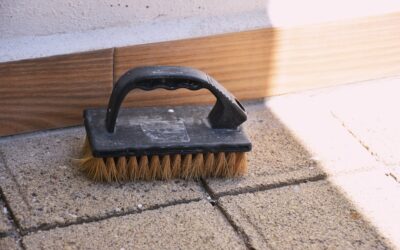
A classic stiff-bristle hand brush gives you maximum control for detail work, like the seam where the tub meets the wall, the drain area, or a ring of grime at the waterline. They’re cheap and durable. The downside is the bending and kneeling, so many people keep one for spot work and rely on a long-handle or electric brush for the big surfaces.
Stiff vs. Soft Bristles: Match the Surface
Bristle stiffness is the single most important spec, because it has to match your tub material.
- Soft bristles are essential for acrylic and fiberglass tubs, which scratch easily. A stiff brush will leave permanent dull swirls in these surfaces.
- Medium bristles handle most enameled steel and cast-iron tubs and general soap scum without damaging the finish.
- Stiff bristles are best reserved for porcelain, ceramic tile, textured anti-slip tub bottoms, and grout, where you need real digging power.
When in doubt, start softer. You can always scrub harder or switch to a stiffer brush, but you can’t undo scratches in an acrylic surface. If you’re unsure of your tub material, test a brush in an inconspicuous spot first.
What to Look for When Buying
- Bristle material. Nylon resists mildew and dries fast; avoid natural bristles that stay damp and harbor odor.
- Head shape. A pivoting or contoured head conforms to curved tub walls for full contact.
- Handle comfort. A non-slip, ergonomic grip matters when your hands are wet and soapy.
- Reach. Telescoping handles add versatility for showers and high tile.
- Hang hole or hook. Lets the brush dry fully between uses, which prevents mildew and extends its life.
Getting the Most From Your Brush
Let your cleaner do the chemical work before you scrub. Spray the tub, give it five to ten minutes to break down soap scum, then run the brush over the loosened grime, which means far less elbow grease. Work top to bottom so runoff doesn’t recontaminate areas you’ve finished. Rinse the brush thoroughly after each use and stand it bristle-up or hang it to dry, since a brush left sitting in a damp tub corner grows mildew quickly.
Matching the Brush to Your Situation
If you have a standard acrylic tub and a healthy back, a soft-bristle long-handle tub cleaning brush covers nearly everything. If soap scum is heavy or scrubbing is physically hard for you, an electric spin brush with a soft head is worth the investment. Keep a small stiff hand brush on hand for grout and corners regardless. Most households end up with two complementary tools rather than one perfect brush.
Brush Materials and What They Mean for You
Bristle and handle materials affect both performance and how long the brush lasts. Nylon and other synthetic bristles are the standard for tub brushes because they resist water, dry quickly, and don’t break down or smell the way natural fibers do. Silicone-bristle brushes are gaining popularity because they’re easy to rinse clean, resist mildew almost completely, and won’t scratch delicate surfaces, though they offer less aggressive scrubbing than stiff nylon. For handles, look for rust-proof aluminum or sturdy plastic; a metal pole that rusts at the joints will fail fast in a wet bathroom. A brush with replaceable heads stretches your money, letting you swap a worn head instead of buying a whole new tool.
Caring for Your Tub Brush
A brush is only as clean as you keep it, and a neglected one spreads grime rather than removing it. After each use, rinse the bristles under hot water until the water runs clear, flicking out trapped hair and residue. Every week or two, soak the brush head in a mix of hot water and white vinegar, or a little diluted bleach, to kill mildew and bacteria. Always store the brush so it can dry fully, hung on a hook or standing bristle-up, never sitting in a puddle in the tub corner. A well-maintained nylon brush easily lasts a year or more, while a neglected one turns into a mildew sponge in weeks.
The Bottom Line
Choosing the right tub brush comes down to two questions: how do you want to apply the effort, and what is your tub made of? Pick a handle length and power level that saves your back, then match bristle stiffness to your tub’s surface to clean effectively without scratching. Get both right and bathtub cleaning stops being a dreaded chore and becomes a quick, standing-up task.