
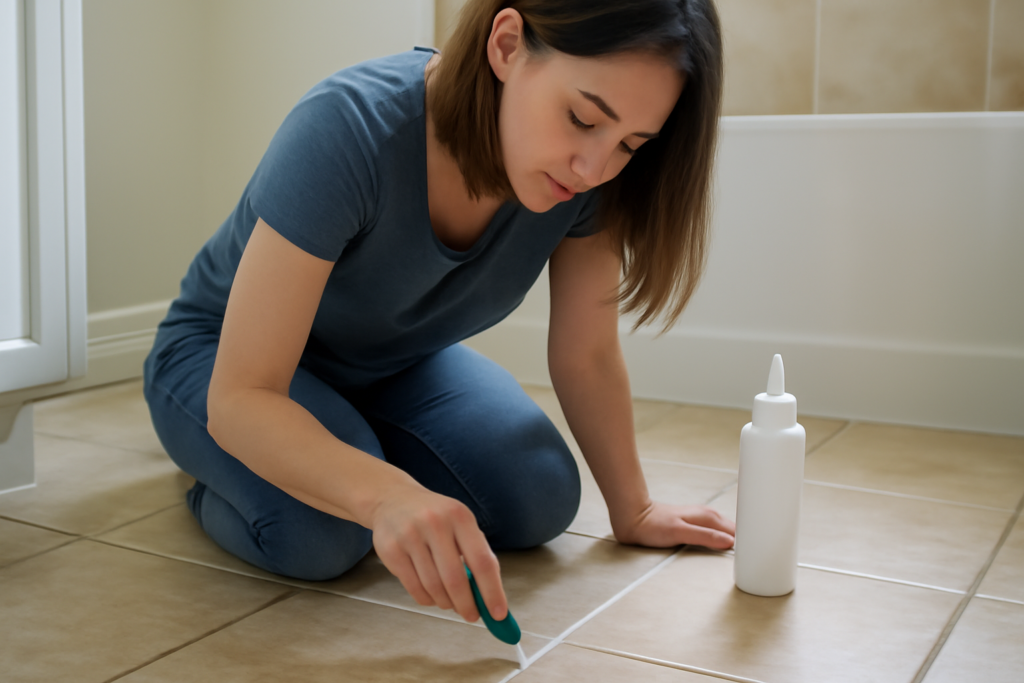
Scrubbing grout is one of the most thankless chores in the house, and sometimes no amount of effort brings the color back. Years of dirt, mismatched cleaning, and uneven sealing leave grout permanently blotchy. Grout renew, a grout colorant and refresh product, solves that problem differently: instead of cleaning the grout, you recolor it with a durable pigmented coating that bonds to the surface and restores a uniform, like-new appearance.
Part of our Tile & Grout guide — explore the full guide →
It is one of the highest-impact, lowest-cost bathroom and kitchen updates a DIYer can do, and it sidesteps the mess and expense of tearing out and replacing grout entirely.
What Grout Renew Actually Is
Grout renew products are pigmented colorants, sometimes called grout paint or grout refresh, designed to coat and seal existing cementitious grout lines. The coating bonds to the grout, covering stains and discoloration with an even, consistent color. As a bonus, many of these products also seal the grout, helping it resist future staining and making cleanup easier going forward.
The key thing to understand is that this is a surface treatment for the grout lines, not a structural fix. It refreshes color and adds a protective layer, but it does not rebuild crumbling or missing grout.
When Grout Renew Is the Right Choice
Colorant works best when the grout is intact but ugly. If your grout is solid yet permanently stained, discolored, or simply the wrong color for an updated room, renew is ideal. It is also a clever way to change the grout color, going from a dingy white to a crisp charcoal that hides dirt, without the labor of regrouting.
It is not the right call when grout is cracked, crumbling, or missing in spots, or where there is an active mold or moisture problem. In those cases you need to repair or replace the grout first.
Preparing the Grout
As with most surface coatings, preparation determines the result. The colorant needs clean, dry grout to bond properly.
- Deep clean the grout lines to remove all dirt, soap scum, and old residue, then let them dry fully.
- If the grout was previously sealed, scrub it well, since heavy old sealer can interfere with adhesion.
- Repair any cracked or missing grout and let the new grout cure before applying colorant.
- Tape off or protect adjacent surfaces if you are concerned about overlap onto the tile.
Clean, dry, intact grout is the foundation; rushing this step leads to a patchy or short-lived finish.
Applying the Colorant
Most grout renew products come with a small applicator brush or are applied with a fine brush or applicator bottle. Work in small sections, brushing the colorant into the grout lines and following the product’s directions. Wipe any excess off the tile surface promptly before it sets, since dried colorant is harder to remove from glossy tile.
Allow the recommended drying time, and apply a second coat if the product calls for it to achieve full, even coverage. Patience and tidy application give you crisp lines that look professionally done.
Choosing a Color
Color choice is where renew gets fun. You can match your existing grout to make it look freshly installed, or change it entirely for a new look. Lighter grout brightens a space and emphasizes the tile pattern, while darker grout in gray or charcoal hides future dirt remarkably well, which is why it is so popular in busy bathrooms and entryways.
Hold color samples against your tile in the actual room lighting before committing. A grout color that looks great in the store can read very differently next to your specific tile and under your bathroom bulbs.
Durability and Care
A properly applied grout colorant can last for years, holding its color and providing a sealed, easier-to-clean surface. To protect it, wait the full cure time before exposing the grout to water in a shower or heavy mopping. Once cured, clean with gentle, pH-neutral cleaners rather than harsh or abrasive products that can wear the coating.
Avoid scrubbing aggressively with stiff brushes, and skip acidic cleaners, especially near natural stone tile, where acids can etch the stone itself. With sensible cleaning, the renewed grout stays looking sharp far longer than untreated grout would.
Grout Renew Versus Regrouting
It helps to understand how colorant differs from a full regrout, since the two solve different problems. Regrouting means physically removing the old grout with a grout saw or oscillating tool and packing in fresh grout. It is the right move when grout is cracked, crumbling, missing, or harboring deep mold, because it replaces the material entirely. The trade-off is that it is messy, labor-intensive, and time-consuming.
Grout renew, by contrast, leaves the existing grout in place and simply recolors and seals the surface. It is faster, far less messy, and ideal when the grout is structurally fine but discolored. If your only complaint is color and staining, renew saves enormous effort. If the grout itself is failing, no amount of colorant will fix it, and you need to regrout first. Matching the method to the actual problem is the key decision.
Common Mistakes to Avoid
The most common reason a grout renew job disappoints is poor preparation. Applying colorant over dirty, greasy, or damp grout leads to peeling and uneven color, so never skip the deep clean and full dry time. Another frequent error is letting excess colorant dry on the tile face; wipe it off promptly, because once it cures on glossy tile it is stubborn to remove.
Rushing the cure time is another pitfall, especially in showers, where premature water exposure can ruin a fresh application. Applying too thin a coat leaves patchy coverage, while overloading the brush leads to drips and mess. Work in small sections, follow the product’s timing exactly, and resist the urge to use the surface before it has fully cured. A little patience is the difference between a finish that lasts years and one that fails in months.
Is Grout Renew Worth It?
For intact but tired grout, grout renew is a clear winner: it is inexpensive, it transforms the look of a tiled surface, and it spares you the mess and cost of regrouting. The whole project usually fits in a weekend and costs a small fraction of professional regrouting. Just be honest about the condition of your grout first. If the lines are sound, a coat of colorant can make an entire bathroom or kitchen look years younger for very little money.


