The relationship between gutter guards ice dams is one of the most misunderstood topics in home maintenance. Many homeowners install gutter guards hoping they will prevent ice dams, only to discover the guards do not solve the underlying problem, and in some cases make winter roof issues worse. The truth is that ice dams and gutter guards address two entirely different problems. Understanding how they interact will save you from expensive water damage, ruined ceilings, and wasted money on the wrong solution.
Part of our Roofing guide — explore the full guide →
- What Is an Ice Dam?
- What Do Gutter Guards Actually Do?
- The Critical Question: Do Gutter Guards Prevent Ice Dams?
- Can Gutter Guards Make Ice Dams Worse?
- What Actually Prevents Ice Dams
- Heated Cables: A Targeted Aid
- Should You Still Get Gutter Guards?
- Choosing Guards That Handle Winter Well
- Common Mistakes Homeowners Make
- How to Tell If You Have an Ice Dam Problem
- Emergency Steps During an Active Ice Dam
- A Smart Winter Roof Strategy
What Is an Ice Dam?
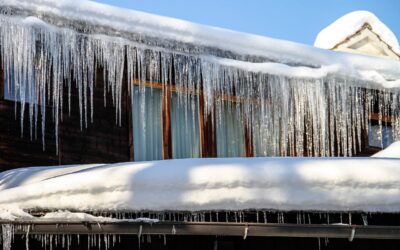
An ice dam is a ridge of ice that forms at the edge of a roof and prevents melting snow from draining off. Here is the mechanism: heat escaping from your living space warms the roof deck, melting the snow on the upper part of the roof. That meltwater runs down toward the eaves, which are colder because they extend beyond the heated house. When the water reaches the cold eave, it refreezes, building a dam of ice. Water pooling behind the dam then backs up under the shingles and leaks into your attic, walls, and ceilings.
The root cause is a warm roof surface combined with a cold eave, driven by heat loss and poor attic ventilation. Ice dams are fundamentally a heat and insulation problem, not a gutter problem.
What Do Gutter Guards Actually Do?
Gutter guards are covers, screens, mesh, or solid hoods, that sit over your gutters to keep leaves, twigs, and debris out while letting water flow in. Their purpose is to reduce gutter cleaning and prevent clogs that cause overflow. They are a debris-management tool, designed primarily for the fall leaf season. Nothing about their core function addresses the heat loss and ventilation problems that cause ice dams.
The Critical Question: Do Gutter Guards Prevent Ice Dams?
The short answer is no. Gutter guards do not prevent ice dams because they do not change the temperature of your roof or eaves. Ice dams form on the roof edge, above and independent of the gutter. Even a home with no gutters at all can get ice dams. Marketing that suggests gutter guards stop ice dams is misleading; at best, certain guards do not make things worse, and at worst, some designs can trap ice and contribute to problems.
Can Gutter Guards Make Ice Dams Worse?
In some situations, yes. Consider these scenarios:
- Ice accumulation on solid hoods. Solid reverse-curve or hood-style guards present a surface where ice can build up, potentially creating a shelf that extends the ice dam upward.
- Trapped water freezing. If water gets into a guarded gutter but cannot drain fast enough in freezing conditions, it can freeze inside, and the guard makes it harder to break up or address the ice.
- Added weight and difficulty. A gutter full of ice under a guard is heavier and harder to clear, and prying at frozen guards can damage them or the roof edge.
That said, high-quality micro-mesh guards generally do not cause ice dams on their own; they simply do not prevent them either.
What Actually Prevents Ice Dams
Because ice dams are a heat and ventilation problem, the real solutions target those root causes:
- Attic insulation. A well-insulated attic floor keeps heat inside the living space and off the roof deck. Most experts recommend R-49 to R-60 in cold climates. Adequate insulation is the single most effective ice dam prevention.
- Attic ventilation. Soffit vents at the eaves combined with ridge vents create a cold-roof effect, flushing warm air out and keeping the entire roof deck at a uniform, cold temperature so snow does not melt unevenly.
- Air sealing. Sealing attic bypasses, gaps around light fixtures, chimneys, plumbing stacks, and the attic hatch, stops warm, moist air from leaking into the attic and warming the roof.
- Ice and water shield. A waterproof membrane installed under the shingles along the eaves (required by code in many cold regions) prevents backed-up water from leaking into the house even if a dam forms.
Heated Cables: A Targeted Aid
Roof de-icing cables (heat tape) installed in a zigzag pattern along the eaves and in the gutters can create channels for meltwater to drain, reducing dam formation in problem areas. Some gutter guard systems are even compatible with, or include, heated elements. Heat cables treat the symptom rather than the cause and add to your electric bill, but for a stubborn problem area, a chronically shaded north-facing eave, for example, they can be a practical supplement to insulation and ventilation.
Should You Still Get Gutter Guards?
Absolutely, if your goal is reducing debris and clogs. Gutter guards are genuinely useful for keeping leaves and pine needles out, cutting down on cleaning, and preventing the overflow and foundation issues that clogged gutters cause during the rest of the year. Just buy them for what they actually do, not with the false expectation that they will stop ice dams. If you live in a snowy climate and want debris protection, choose a quality micro-mesh guard and pair it with proper attic insulation and ventilation for winter.
Choosing Guards That Handle Winter Well
If you are in a cold climate and want gutter guards that cope reasonably with snow and ice, consider these features:
- Micro-mesh or fine stainless screens that let water through while resisting debris, and lie relatively flat.
- Sturdy metal construction (aluminum or stainless steel) rather than flimsy plastic that cracks in cold.
- Low-profile designs that do not create large ice-catching surfaces.
- Compatibility with heat cable if you plan to add de-icing in trouble spots.
Common Mistakes Homeowners Make
- Buying gutter guards to solve ice dams. This is the biggest and most expensive misunderstanding; address insulation and ventilation instead.
- Ignoring attic air leaks. No amount of gutter hardware fixes a warm, leaky attic.
- Chipping ice off the roof or guards with sharp tools, which damages shingles, guards, and the roof edge.
- Skipping ice and water shield during a re-roof in a cold climate, leaving the eaves vulnerable to backed-up water.
- Assuming heated cables replace insulation. They are a supplement, not a substitute.
How to Tell If You Have an Ice Dam Problem
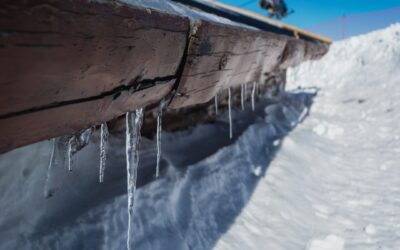
Recognizing the warning signs early helps you act before serious damage occurs. Look for thick ridges of ice forming along the roof edge and in the gutters during winter thaws. Large icicles hanging from the eaves are a classic red flag, they indicate meltwater refreezing at the cold roof edge. Inside the home, watch for water stains on ceilings or walls near exterior walls, peeling paint, or damp insulation in the attic. In the attic itself, check for frost or condensation on the underside of the roof deck and warm spots that reveal air leaks. If snow melts unevenly on your roof, bare patches over the warm living space and thick snow over the cold eaves, that pattern is a textbook indicator of the heat loss that drives ice dams.
Emergency Steps During an Active Ice Dam
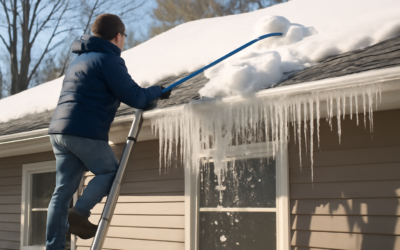
If you already have an ice dam causing leaks, there are safe short-term measures while you plan the real fix. You can carefully rake snow off the lower roof edge from the ground with a roof rake, removing the snow removes the fuel for the dam. For active leaks, filling a nylon stocking with calcium chloride ice melt and laying it vertically across the dam can melt a channel to let water drain. Never use a hammer, chisel, or sharp tool to chip at ice, which damages shingles and the roof edge, and never use rock salt (sodium chloride), which corrodes metal and harms plants below. If the situation is severe, hire a professional who uses low-pressure steam to remove ice safely without harming the roof.
A Smart Winter Roof Strategy
The bottom line is that gutter guards and ice dams solve different problems. Gutter guards manage debris; ice dams are caused by heat escaping into a poorly ventilated attic. If ice dams are your concern, invest first in attic air sealing, insulation to code-recommended levels, and proper soffit-to-ridge ventilation, then add ice and water shield the next time you reroof. Get gutter guards if you want less cleaning, but do not expect them to stop the ice. Combine the right measures, and you will keep both your gutters clear and your ceilings dry through the harshest winter.