
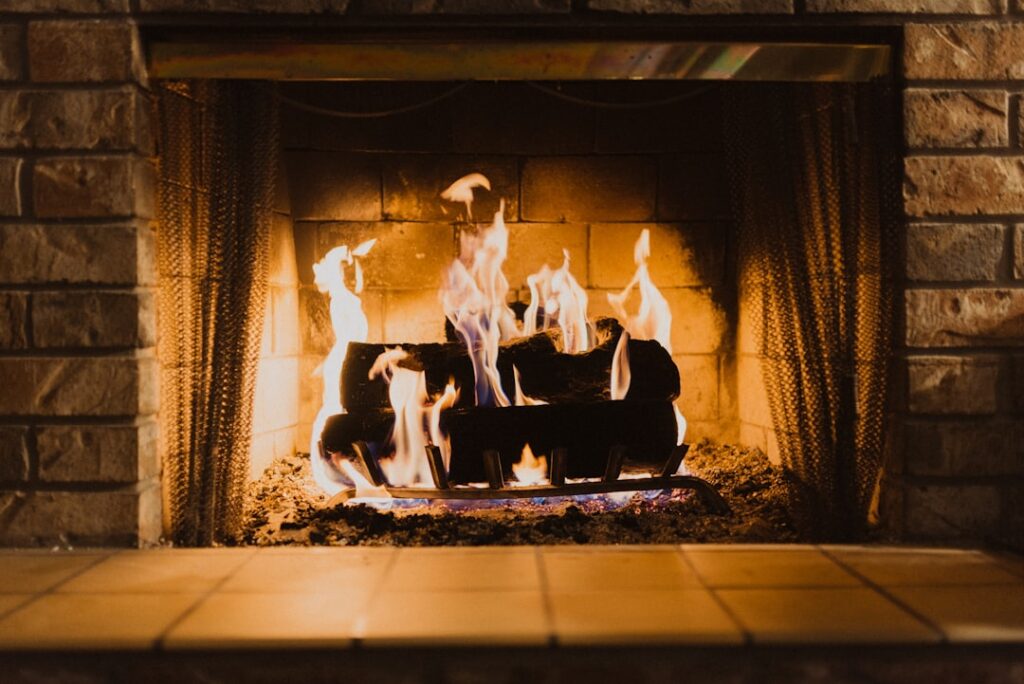
A stray ember can leave a permanent scorch mark on hardwood or melt a synthetic rug in seconds, which is exactly why the area directly in front of a fireplace calls for special treatment. A hearth rug for fireplace is a fire-resistant mat designed to sit at the mouth of a fireplace or wood stove, catching sparks, embers, and stray logs before they can damage your floor. Beyond the safety job, a good hearth rug frames the fireplace, adds warmth to the room, and protects your finish floor from the soot and ash that gather around any working fire. Not just any rug will do, though, using a regular area rug here is a genuine fire hazard.
Here is how to choose a hearth rug that actually protects your home, along with sizing, materials, and placement guidance.
Why a Regular Rug Won’t Work
The core issue is flammability. Standard area rugs, especially synthetics like polypropylene and polyester, ignite or melt when a hot ember lands on them. Even natural fibers like cotton and untreated wool can smolder and burn. A hearth rug is specifically made from fire-resistant materials that resist ignition, so a bouncing ember chars a small spot instead of catching fire.
This is not a place to save money with a decorative throw rug. The whole point of the hearth rug is that it is engineered to take the abuse a fireplace dishes out, and a properly rated one can be the difference between a scorch mark and a house fire.
Fire-Resistant Materials to Look For
Several materials are used for genuine hearth rugs, each with its own look and price point. Choose based on how close it sits to the fire and the style of your room.
- Wool: Naturally flame-resistant, self-extinguishing, and durable; the classic premium choice.
- Fiberglass: Extremely fire-resistant and often used right at the mouth of wood stoves; very high heat tolerance.
- Treated / flame-retardant synthetics: Specially coated rugs rated for hearth use; budget-friendly.
- Leather and suede: Naturally resistant to embers and popular for rustic and lodge styles.
Wool is my usual recommendation for most homes, it is naturally flame-resistant without chemical treatment, feels good underfoot, and comes in styles that suit nearly any decor. For a hard-working wood stove, a fiberglass hearth rug offers the highest heat and ember protection.
Sizing Your Hearth Rug
Size the rug to cover the danger zone where sparks and embers actually land. As a general rule, the rug should extend far enough in front of the firebox to catch anything that pops out and be wide enough to span the full opening.
- Choose a rug that is at least as wide as the fireplace opening, ideally a bit wider.
- Aim for enough depth to cover the area embers reach, typically the rug extends well past the hearth edge.
- Common hearth rug sizes run around 22 by 44 inches up to 27 by 60 inches, with half-round options for a softer look.
- For a wood stove that throws more sparks, size up and consider a larger protective pad underneath.
Half-moon and rectangular shapes are both common; the half-round softens the look and follows the natural spread of ember fall.
Placement and Clearance
Position the rug directly in front of the firebox opening, overlapping onto the raised masonry hearth if you have one and extending out onto the floor where embers land. The goal is that no exposed flooring sits within the spark zone.
Keep the rug flat and free of curling edges, which are both a trip hazard and a spot where an ember can lodge. If your rug slides on a smooth floor or masonry hearth, add a thin non-slip pad rated for the location, but confirm the pad itself is not a flammable foam. Always follow the clearance requirements in your fireplace or stove manual.
Style and Design Considerations
A hearth rug is functional, but it also frames the focal point of the room, so it is worth choosing one that complements your space. Traditional rooms suit patterned wool rugs in warm reds, golds, and blues. Rustic and lodge interiors look great with leather or a wildlife-motif hearth rug. Modern rooms can carry a simple solid or subtle geometric.
Because it sits against the fireplace, darker colors and patterns hide the inevitable ash and soot better than pale solids. A charcoal, deep red, or multicolored pattern will look clean far longer than a cream rug in the same spot.
Maintenance and Care
Hearth rugs collect ash, soot, and the occasional ember mark, so plan on regular cleaning. Shake or vacuum the rug frequently to remove ash and grit. For wool, spot-clean with a mild wool-safe cleaner and blot rather than rub. Fiberglass rugs can usually be wiped down or shaken out.
Inspect the rug periodically for burn spots and thinning areas. A hearth rug is a consumable safety item, once it is heavily scorched or worn through, replace it rather than trusting a compromised rug to keep protecting your floor. Most see several years of service before they need swapping.
Gas, Electric, and Wood: Matching the Rug to Your Fireplace
The type of fireplace you have changes how much protection you actually need. A wood-burning fireplace or stove is the highest-risk setup, because burning logs pop and throw embers well past the firebox, so a genuinely fire-resistant rug in wool or fiberglass is non-negotiable there. Size it generously to cover the full ember-fall zone.
Gas and electric fireplaces are a different story. A sealed gas insert or an electric unit produces no flying sparks, so the fire risk to a rug in front of it is minimal. In those cases, a hearth rug is more about protecting the floor from foot traffic and framing the fireplace than about catching embers, and you have more freedom in material and style. Even so, gas fireplaces radiate real heat, so keep any rug a safe distance from the glass front, which can reach temperatures hot enough to scorch a synthetic pile placed too close. When in doubt, follow the clearance distances printed in your appliance manual.
Cost and the Bottom Line
Hearth rugs are an inexpensive insurance policy. Treated synthetic options start around $30 to $60, quality wool rugs run $80 to $250, and premium leather or large fiberglass rugs can reach $150 to $300. Against the cost of refinishing a scorched hardwood floor, or far worse, it is money well spent.
Choose a genuinely fire-resistant material, wool for most homes, fiberglass for hard-working stoves, size it to cover the ember zone in front of the opening, keep it flat and clear of curling edges, and clean it regularly. A proper hearth rug for fireplace protects your floor, frames the room, and lets you enjoy the fire without worrying about what a stray spark might do. Keep a small metal ash bucket and a hearth broom nearby so you can sweep stray ash off the rug before it grinds into the fibers, and pair the rug with a spark screen or glass doors on the firebox for a second layer of protection, because the rug is your last line of defense, not your only one.


