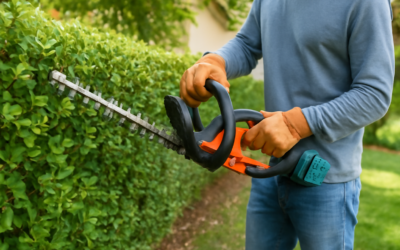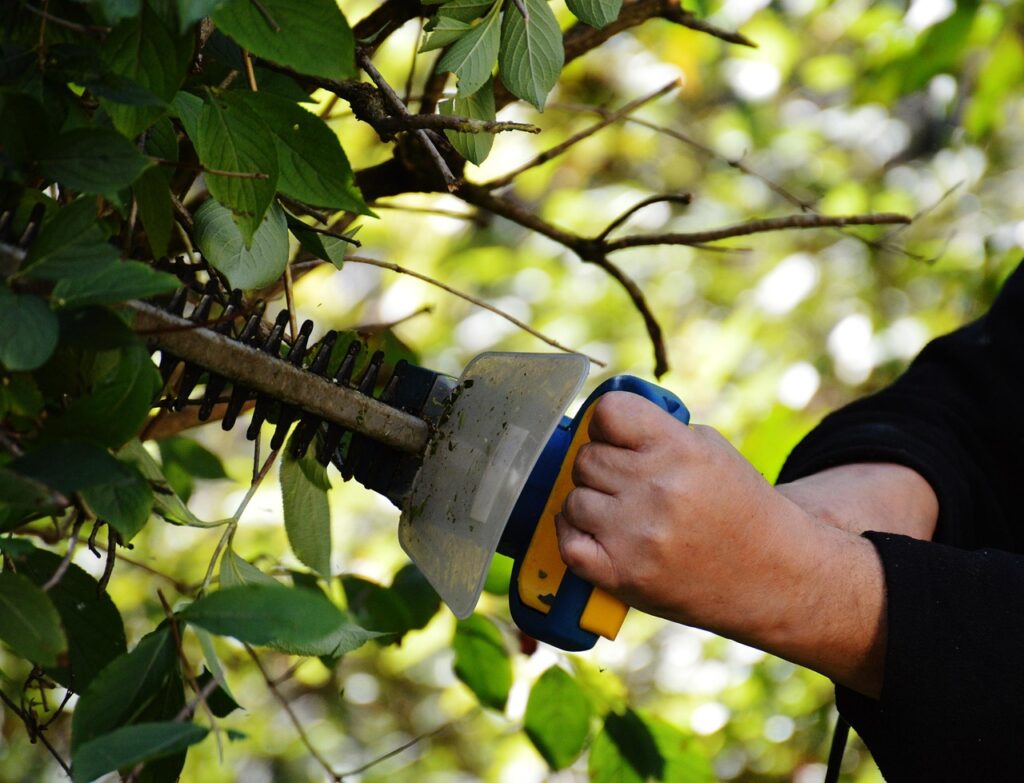
Gas hedge trimmers are loud, smelly, and a pain to start on a cool morning. That’s why a hedge trimmer electric cordless model has become the default choice for most homeowners with a quarter-acre lot or smaller. You get instant push-button starts, no fuel mixing, far less noise, and freedom from dragging an extension cord through wet grass. Modern lithium-ion batteries deliver enough power to slice through half-inch branches, and the best units run 40 to 60 minutes on a charge, plenty for a typical yard of boxwoods and privet.
Why Go Cordless Over Corded or Gas
Corded electric trimmers are light and never run out of power, but the cord limits your reach to about 100 feet and creates a real tripping and cutting hazard around shrubs. Gas trimmers deliver brute force for thick, neglected hedges, yet they require ethanol-free fuel, oil mixing on two-stroke models, and ongoing tune-ups. A cordless unit splits the difference: it goes anywhere, starts every time, and needs almost no maintenance beyond cleaning and oiling the blade.
The trade-off is run time. When the battery dies you wait 30 to 90 minutes to recharge unless you own a spare. For most suburban lots, one charge finishes the job, and battery platforms let you share packs across a trimmer, blower, and mower.
Battery Voltage and What It Means
Voltage roughly indicates power, and most cordless trimmers fall into three tiers.
- 18V to 20V: Lightweight and inexpensive, ideal for soft new growth and light annual trimming on small hedges.
- 40V: The sweet spot for homeowners. Enough torque for branches up to 5/8 inch and run times that handle a full yard.
- 56V to 80V: Approaches gas performance, suited to dense, woody, or overgrown hedges and larger properties.
Pay attention to amp-hours (Ah) too, since that number drives run time. A 40V 4.0Ah pack lasts roughly twice as long as a 40V 2.0Ah pack. Buying into an established battery ecosystem like EGO, DeWalt, Ryobi, or Greenworks pays off because one charger and a couple of packs power your whole outdoor tool lineup.
Blade Length and Tooth Gap
Blade length determines how fast you cover a hedge and how cleanly you can level a flat top. Shorter 18- to 20-inch blades are nimble and easy to control for shaping topiary and tight corners. Longer 22- to 26-inch blades cut wider swaths and make leveling long privacy hedges far quicker, though they’re heavier and harder to maneuver overhead.
Tooth gap, the spacing between cutting teeth, sets the maximum branch thickness. A 3/4-inch gap handles thicker stems than a 1/2-inch gap. Dual-action blades, where both blades move, cut faster and vibrate less than single-action designs, which saves your wrists on a big trimming session.
Features Worth Paying For
A few extras separate a frustrating tool from one you actually enjoy using. A rotating rear handle lets you cut vertical edges and the sides of a hedge without twisting your wrist awkwardly. Wraparound front handles improve control for sweeping cuts. Look for a brushless motor, which runs cooler, lasts longer, and squeezes more work out of each charge than an older brushed motor.
Safety features matter as well. A two-handed switch requirement prevents accidental starts, and a tip guard at the blade’s end protects against kickback when you bump a fence or wall. A blade brake that stops the teeth within a second of releasing the trigger is worth seeking out.
Matching the Trimmer to Your Hedges
Be honest about what you’re cutting. Soft seasonal growth on well-maintained shrubs calls for a light 20V unit you can wave around for an hour without fatigue. Established arborvitae, holly, or laurel with woody interior branches needs at least a 40V trimmer and a wider tooth gap. If you’ve let a hedge go for two or three seasons, you may need to remove the thickest stems with a lopper first, then shape with the trimmer.
Reach also factors in. For tall hedges over 8 feet, consider a pole hedge trimmer or an attachment that extends your reach so you stay safely off a ladder. Trimming overhead with a heavy tool while balancing on rungs is how injuries happen.
Maintenance That Extends Tool Life
Cordless trimmers are low-maintenance, not no-maintenance. After every use, brush sap and clippings off the blade and wipe it with a rag. Sap is corrosive and gums up the cutting action, so spray the blade with a resin solvent or a light coat of machine oil before storing. A clean, oiled blade cuts cleaner and the battery works less hard to push it through growth.
Store the battery indoors at room temperature and avoid leaving it fully drained or in a hot garage over winter, both of which shorten lithium-ion lifespan. Sharpen or replace the blade when cuts start tearing rather than slicing, since dull teeth stress both the motor and the plant.
Weight, Balance, and Comfort
Comfort determines whether you finish the job or quit halfway. A cordless trimmer’s weight comes mostly from the battery, so a unit that feels fine in the store can grow heavy after 20 minutes overhead. Most homeowner models run 6 to 9 pounds with the battery installed. Look for a balanced design where the weight sits near your hands rather than out at the blade tip, which fights your wrists on every pass.
An over-mold or rubberized grip cuts vibration fatigue, and a soft front handle bar lets you reposition your hands for vertical and angled cuts. If you have a large hedge, an anti-vibration system pays for itself in reduced arm strain. Try lifting the trimmer to shoulder height before you buy, since that’s the position you’ll hold longest while leveling a tall hedge top.
Getting the Best Value
Buy the bare tool if you already own compatible batteries, since the pack and charger often cost as much as the trimmer itself. For a first purchase, a 40V kit with a 4.0Ah battery hits the best balance of power, run time, and price for the average homeowner, typically $130 to $220. Spend a little more on a brushless motor and a dual-action blade, and your cordless trimmer will handle annual hedge care quietly and reliably for years.
Watch for off-season sales in late fall and around major holidays, when outdoor power tools see their deepest discounts. Buying into a battery platform you’ll expand later, adding a string trimmer, blower, or mower, multiplies the value of that first charger and pack, since every new bare tool then costs far less.