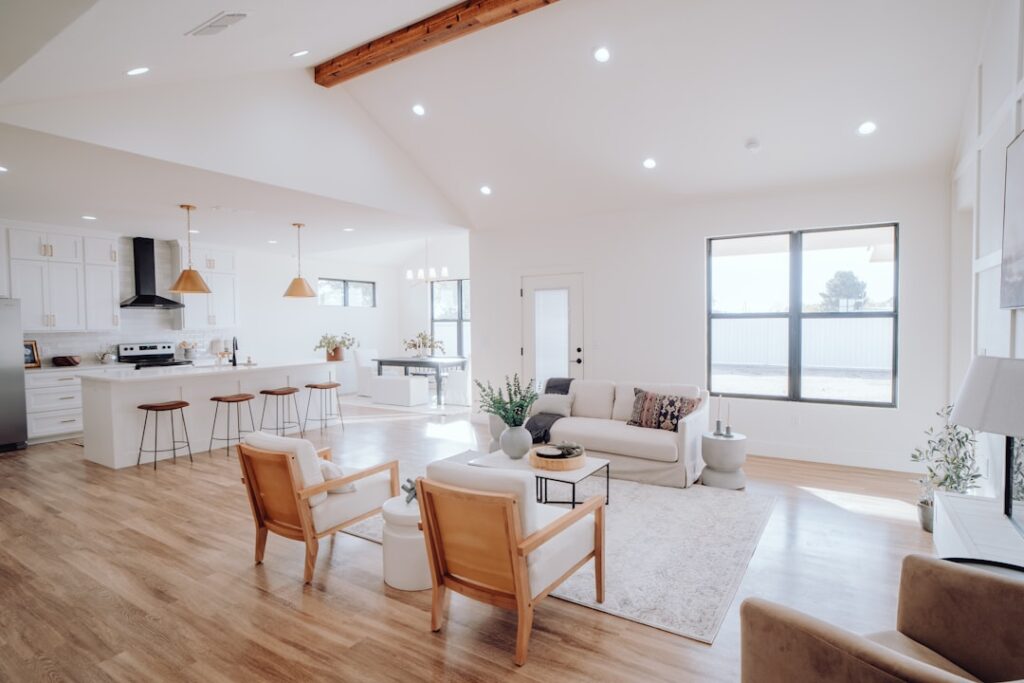
Imagine a hardwood floor that grows back in months, not decades. HempWood flooring is exactly that idea made real: HempWood is a Kentucky-based company that compresses hemp fibers with a plant-based binder into dense blocks that mill and install much like traditional hardwood. It is a genuine, made-in-America sustainable alternative to oak, and this guide covers honestly how it is built, how hard it is, and where it fits.
What HempWood Actually Is
HempWood is manufactured in Murray, Kentucky, from industrial hemp stalks grown by regional farmers. The fibers are aligned and compressed under heat and pressure with a soy-based, formaldehyde-free binder to form solid blocks. Those blocks are then milled into flooring, lumber, and other wood-like products. The result looks and behaves a lot like real hardwood, with a warm grain pattern, but it starts from a fast-growing plant rather than a slow-growing tree.
This matters because hemp matures in a single growing season, whereas an oak tree takes decades to reach harvestable size. HempWood reframes flooring as an annually renewable crop product, which is the company’s central pitch and a real point of difference.
How Hard Is It Compared to Oak?
Durability is where many buyers focus, and HempWood holds up well. The company states its material is meaningfully harder than oak, putting it among the more dent-resistant options for a wood-style floor. That hardness comes from the high-density compression of the fibers, which packs more material into the same volume than a natural board.
- Marketed as harder than traditional oak flooring on the Janka scale.
- Dense, compressed structure resists dents from furniture and traffic.
- Solid, real-feel underfoot rather than a thin veneer over a composite core.
For everyday homes, that hardness translates to a floor that should resist the dings that plague softer woods like pine. As always, confirm the specific product’s published hardness figure for the exact line you are buying.
The Sustainability Story
HempWood’s biggest selling point is its environmental profile, and it is a genuine one. Hemp is a fast-growing, carbon-absorbing crop that can be cultivated annually, and the binder is soy-based rather than petroleum-derived, with the company emphasizing formaldehyde-free construction. Manufacturing domestically in Kentucky also shortens the supply chain compared with imported exotic hardwoods.
For buyers who prioritize renewable materials, low-emission products, and US manufacturing, HempWood checks boxes that few flooring options can match all at once. If indoor air quality and carbon footprint drive your decision, it deserves a look.
Appearance and Finish
HempWood reads as a warm, light-to-medium toned wood with a visible grain created by the aligned fibers. It can be sanded, stained, and finished, giving designers flexibility to match a range of looks. Because it is solid material rather than a printed surface, the grain has real depth, and minor wear does not expose a different layer underneath.
It will not perfectly imitate every exotic species, but its natural appearance is convincingly wood-like and pairs well with modern, rustic, and eco-focused interiors.
Installation and Care
Because it behaves like hardwood, HempWood installs with familiar methods, and care mirrors a wood floor. Acclimate the material to the room before installation, ensure a flat, dry subfloor, and follow the manufacturer’s recommended method for the specific product.
- Sweep or vacuum regularly to remove grit that can scratch any wood-style floor.
- Clean with a barely damp mop and a wood-appropriate cleaner; avoid soaking it.
- Use felt pads under furniture and area rugs in high-traffic paths.
- Refinish as you would a hardwood floor when the surface eventually shows wear.
Treat it as the real wood-style floor it is, and it should serve for many years.
Cost Expectations
As a specialty, domestically made product, HempWood typically prices in the premium range rather than the bargain bin, comparable to or above quality hardwood. Because pricing varies by product line, dealer, and region, confirm the current per-square-foot cost directly and factor in installation, since this is a solid material that benefits from skilled fitting. Request a sample so you can judge color and feel before committing to a full order.
Honest Pros and Cons
Weigh the trade-offs realistically.
- Pros: genuinely renewable hemp base, harder than oak, formaldehyde-free soy binder, US-made, solid real-feel material that can be refinished.
- Cons: premium pricing, more limited availability than mainstream hardwood, fewer color and style options, and as a newer category it has a shorter long-term track record than oak.
How It Compares to Other Eco Floors
HempWood is not the only sustainable flooring option, so it helps to see where it sits among the alternatives. Each green floor makes a different trade-off.
- Bamboo: also fast-growing and renewable; strand-woven bamboo is hard, but most bamboo is imported rather than US-made.
- Cork: renewable and soft underfoot, but far less hard and dent-resistant than HempWood.
- Reclaimed hardwood: excellent sustainability through reuse, but supply is variable and processing adds cost.
- FSC-certified hardwood: responsibly harvested real wood, though trees still take decades to mature.
HempWood’s distinct combination is annual renewability, harder-than-oak performance, a low-emission soy binder, and domestic Kentucky manufacturing. Few competitors check all of those boxes at once, which is its strongest argument.
Questions to Ask Before Buying
Because this is a specialty product, confirm the details directly before committing. Ask for the published Janka hardness of the exact line you want, the recommended installation method for your subfloor, and the finish and how it is maintained or refinished. Confirm the warranty terms and what voids them, the current per-square-foot price, and lead time, since specialty products can take longer to ship than mainstream stock. Request a physical sample so you can judge the color, grain, and feel in your own home’s light. These answers turn an appealing idea into a confident, informed purchase.
Is HempWood Right for You?
HempWood is a compelling choice for homeowners who want a hard, real-feel wood-style floor with a standout sustainability story and domestic manufacturing, and who are comfortable paying a premium for it. If your priorities are lowest cost or the widest selection of looks, traditional hardwood or vinyl may suit you better. But if a renewable, low-emission, harder-than-oak American floor appeals, HempWood delivers something genuinely different and worth sampling.
Prefer to explore on your own?
See how new flooring looks in your actual room in seconds — free, no signup.
Try the free Floor Studio →