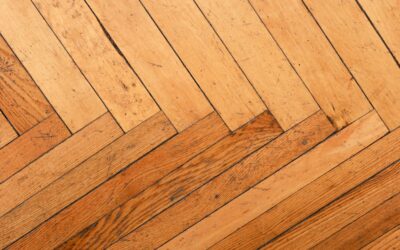
The herringbone pattern has decorated floors and fabrics for centuries, from Roman roads to Savile Row suits, and it never looks dated. A herringbone rug brings that same architectural rhythm into a room, adding subtle movement and texture without shouting for attention. Whether you want a neutral foundation or a quiet design statement, the V-shaped zigzag works in nearly every style of home. This guide covers what to look for and how to make the pattern work for you.
- What the Herringbone Pattern Actually Is
- Why Designers Reach for Herringbone
- Materials to Consider
- Choosing the Right Color
- Sizing for Each Room
- Where Herringbone Rugs Work Best
- Styling Tips That Work
- Herringbone vs. Chevron: Know the Difference
- Layering and Pattern Mixing
- Care and Maintenance
- The Bottom Line
What the Herringbone Pattern Actually Is
Herringbone is a series of rectangles arranged in a broken zigzag, resembling the skeleton of a fish, which is where the name comes from. It differs from a simple chevron because the pieces meet at staggered, offset angles rather than forming a continuous, mirror-image V. That slight stagger gives herringbone its woven, three-dimensional appearance even when the rug is perfectly flat.
On a rug, the pattern can be woven directly into the fibers, printed onto the surface, or created through varied pile heights. Woven and tufted versions feel the most substantial and read as genuinely textured underfoot.
Why Designers Reach for Herringbone
The pattern’s biggest strength is its versatility. Because the design is geometric and repeating, it reads almost like a textured solid from across the room, then reveals its detail up close. That makes a herringbone rug an ideal middle ground between a plain rug, which can feel flat, and a busy pattern, which can overwhelm a space.
It also adds visual movement. The diagonal lines draw the eye across the floor and can make a narrow room feel wider or a small room feel more dynamic. In neutral tones, it brings sophistication without competing with bold furniture or art.
Materials to Consider
The fiber you choose affects feel, durability, and price more than the pattern does.
- Wool: The premium choice. Naturally resilient, stain-resistant, and soft, wool holds the herringbone texture crisply and lasts for decades.
- Cotton: Often woven into flatweave herringbone rugs that are lightweight, washable, and affordable, ideal for casual and high-traffic rooms.
- Jute and sisal: Natural fibers that lend an earthy, organic look. Great for coastal and boho spaces, though they are rougher underfoot and harder to clean.
- Polypropylene and synthetics: Budget-friendly and durable, with good fade and stain resistance for entryways, kitchens, and outdoor patios.
Choosing the Right Color
Herringbone shines in both subtle and high-contrast colorways. A tonal version, where the zigzag is woven in two shades of the same color, gives a refined, almost solid appearance. A high-contrast version, such as cream and charcoal, makes the pattern pop and acts as a graphic focal point.
- Neutral grays, beiges, and ivories: Endlessly versatile and easy to layer.
- Black and white: Modern, crisp, and bold, perfect for contemporary and Scandinavian rooms.
- Navy or charcoal: Grounding and sophisticated for studies and living rooms.
- Warm earth tones: Rust, mustard, and olive bring a cozy, organic feel.
Sizing for Each Room
Because the pattern is directional, a properly sized herringbone rug helps guide the eye through a space. In a living room, choose a rug large enough to sit under the front legs of your seating, typically an 8-by-10 or 9-by-12. In a dining room, make sure chairs stay on the rug when pulled out. Runners in herringbone are especially popular in hallways and kitchens, where the linear pattern reinforces the length of the space and looks intentional.
Where Herringbone Rugs Work Best
This pattern suits a remarkable range of interiors. In a modern home, a black-and-white herringbone rug feels graphic and clean. In a traditional space, a wool herringbone in muted tones adds quiet elegance. Farmhouse and rustic rooms benefit from natural-fiber versions, while transitional interiors use the pattern to bridge classic and contemporary furnishings. Because it pairs well with both patterned and solid upholstery, it is a safe choice when you are unsure what else is going in the room.
Styling Tips That Work
Let the rug do the textural work and keep nearby patterns simple. If your sofa or curtains already carry a busy print, a tonal herringbone keeps the room from feeling chaotic. Conversely, if your furniture is mostly solid, a high-contrast herringbone becomes the design anchor. Layering a smaller herringbone rug over a large jute base adds depth in boho and coastal rooms. Align the direction of the pattern with the longest sightline in the room so the diagonals lead the eye naturally.
Herringbone vs. Chevron: Know the Difference
Shoppers constantly mix up herringbone and chevron, and choosing the right one matters because they create different effects. Chevron uses parallelograms cut at an angle so the pieces meet point-to-point, forming continuous, unbroken V shapes that run in clean zigzag rows. Herringbone uses simple rectangles arranged so the end of one piece meets the side of the next, creating a staggered, broken zigzag with a more woven, intricate appearance.
In practical terms, chevron looks bolder and more graphic, with strong directional lines, while herringbone reads as more textured and traditional. Neither is better; it depends on the mood you want. If you crave crisp, modern geometry, chevron may appeal. If you want subtle, classic texture that whispers rather than shouts, herringbone is the pick. Knowing the difference keeps you from ordering the wrong pattern online, where the two are easy to confuse in thumbnail photos.
Layering and Pattern Mixing
Herringbone is one of the friendliest patterns for mixing because its repeating geometry reads almost as a neutral. You can confidently pair a herringbone rug with florals, abstract prints, or organic motifs on pillows and upholstery without clashing. The one combination to handle carefully is pairing herringbone with another strong linear pattern like stripes or chevron, which can fight for attention. For a layered look, set a smaller patterned or solid rug over a large neutral herringbone base, or layer a tonal herringbone over a chunky jute rug to add depth and texture in boho and coastal rooms.
Care and Maintenance
Maintenance depends on the fiber, but a few habits apply across the board. Vacuum regularly to keep the texture defined, and rotate the rug every few months for even wear, particularly under sunny windows where fading can occur. Blot spills immediately instead of rubbing them in. Always use a rug pad; it cushions the rug, prevents slipping, and reduces the abrasion that flattens the pattern over time. For wool, stick to wool-safe cleaners, and for flatweave cotton versions, check whether the rug is machine washable, since many smaller ones are.
The Bottom Line
A herringbone rug is one of the most reliable choices in floor decor because it bridges texture and pattern without overwhelming a room. Pick a fiber that matches your traffic and budget, choose a colorway that fits the mood you want, and size it generously. The result is a rug that feels both timeless and intentional, grounding your space with a pattern that has stayed in style for hundreds of years.
Prefer to explore on your own?
See how new flooring looks in your actual room in seconds — free, no signup.
Try the free Floor Studio →