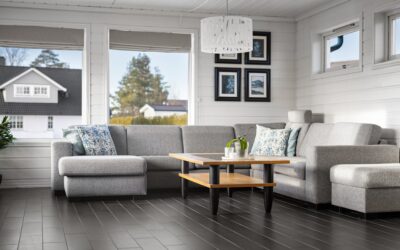
Hickory has the wildest color swing of any common American hardwood, and that is exactly why scrolling through hickory flooring images can leave you confused rather than convinced. One board sample looks creamy blonde, the next looks like espresso, and your installer keeps using words like “rustic” and “character grade” without showing you what they actually mean. With a Janka rating of 1820, hickory is the hardest domestic species you can install in a typical home, so picking the right look matters because you will live with it for 40 years.
- What You Actually See in a Hickory Floor
- Grade Tiers and What They Look Like
- Plank Width Changes the Whole Room
- Stained vs Natural Hickory
- Hand-Scraped, Wire-Brushed, and Smooth Finishes
- Engineered vs Solid in Photos
- How to Use Images Without Getting Burned
- Brand Spotlight: Where to Find the Best Hickory Photos
- The Long Game on Hickory Aesthetics
What You Actually See in a Hickory Floor
A finished hickory plank usually displays two distinct tones in a single board. The sapwood reads near-white or pale gold, while the heartwood goes nutmeg, caramel, or chocolate. Mineral streaks, knots, and dark grain swirls show up on most boards. If you compare hickory to red oak side by side, oak looks calm and uniform while hickory looks busy and dramatic.
This visual chaos is divisive. Some homeowners love the cabin energy; others find it loud against a clean modern interior. Spend an evening with at least a dozen plank photos before you commit, because no two grade lots look identical.
Grade Tiers and What They Look Like
Hickory mills sort boards into grades that directly control how busy the floor reads. Select and Better gives you mostly heartwood, almost no knots, and a tighter color band. Character grade or Country grade allows knots up to about three quarters of an inch, plenty of mineral streaking, and the full blonde-to-brown range in one box. Cabin grade lets through pin holes, large knots, and short boards.
- Select & Better: $4.50-$6.50 per sq ft, smoother color, modern-friendly
- Character/Country: $3.25-$4.75 per sq ft, the look most people picture
- Cabin/Tavern: $2.25-$3.50 per sq ft, rustic with knot fillers
Plank Width Changes the Whole Room
Width matters as much as grade. A 2 1/4-inch strip floor reads traditional and almost camouflages the color swings because no single board dominates. A 5-inch wide plank shows off the contrast and becomes the focal point of the room. Mixed-width packs (3, 5, and 7 inches) are popular for farmhouse and Craftsman renovations because they mimic 1920s installation patterns.
Mannington’s Maison Collection runs 6 1/4 inches wide and shows the dramatic two-tone hickory look most homeowners search for. Shaw’s Pebble Hill and Bruce’s American Originals lines both photograph well in 5-inch plank galleries.
Stained vs Natural Hickory
Natural hickory with a clear oil-modified poly finish is what you see in most rustic photos: the sapwood glows blonde and the heartwood pops dark brown. Stains tighten that range. A weathered gray stain mutes the contrast and reads coastal. Dark walnut or coffee stain almost erases the sapwood-heartwood split and gives you something close to a uniform brown floor.
Brands like Bona, DuraSeal, and Minwax all sell hickory-friendly stains. Be aware that hickory is dense and accepts stain unevenly compared to oak, so professional installers usually apply a conditioner first or specify a pre-stained engineered product.
Hand-Scraped, Wire-Brushed, and Smooth Finishes
Surface texture is the third lever that changes how a hickory image reads. Smooth finishes look formal and reflect light, exaggerating the color contrast. Wire-brushed finishes scuff out the soft grain and create a matte, low-glare surface that hides dust and pet scratches. Hand-scraped boards have rolling dips and ridges and lean strongly into the lodge or ranch aesthetic.
For families with dogs and kids, wire-brushed hickory in character grade is the photo most installers will show you because it disguises real-world wear. Hand-scraped looks great in vacation homes and entryways but the texture traps grit, so high-traffic kitchens are tougher to keep clean.
Engineered vs Solid in Photos
You usually cannot tell engineered hickory from solid hickory in a photo, and that is the point. Engineered planks use a 2-4mm hickory veneer over a plywood or HDF core, which means you get the same surface look at a lower price and with better humidity stability. If your basement showroom photos look identical to the upstairs samples, you are probably looking at engineered hickory.
Solid hickory runs 3/4-inch thick and can be sanded 4-6 times across its lifespan. Engineered hickory with a 4mm wear layer can usually be refinished twice. For above-grade installations in stable climates, solid still wins on longevity.
How to Use Images Without Getting Burned
Manufacturer renderings are color-corrected and shot in flattering north light. Always order at least three large samples and place them on your subfloor for two full days, watching them at sunrise, noon, and under your evening lamps. Hickory shifts dramatically under warm incandescent bulbs versus cool LED. Photograph your samples with your phone in the actual room, then compare those shots to the catalog images. If the gap is large, the catalog photo is misleading you.
One more tip: ignore staged photos with rugs covering most of the floor. You bought hickory for the grain, so you need to see plank-to-plank pattern repetition. Ask the dealer for a 4×4-foot mocked panel before signing the order.
Brand Spotlight: Where to Find the Best Hickory Photos
Five manufacturers consistently publish the best hickory flooring images for shopping research. Mohawk’s TecWood and RevWood Plus catalogs include high-resolution room scenes shot in real homes rather than studios. Shaw’s Pebble Hill and Castlewood collections feature flatlay photography that shows board-to-board variation honestly. Mannington’s Maison hickory line photographs the wider 6 1/4-inch plank in multiple lighting conditions. Bruce American Originals shows narrower traditional widths with both natural and stained finishes. COREtec offers hickory-look LVP photographs that some buyers find indistinguishable from real wood on screen.
Hardwood Bargains, Hosking Hardwood, and Lumber Liquidators (now LL Flooring) maintain extensive customer-submitted galleries that show installed floors after 1-5 years of real wear. These photos are less polished than manufacturer shots but far more useful for setting expectations about how a hickory floor actually ages.
The Long Game on Hickory Aesthetics
Hickory ambers slightly under UV exposure over the first 6-18 months. A board that looks pure blonde in the catalog will warm to honey, and the heartwood will deepen from caramel to cocoa. This is normal and desirable. The catalog photo represents the floor on day one. The aged photos represent the floor for the next 30 years. Plan for the aged appearance and you will not be surprised by the warmth that creeps in.
Prefer to explore on your own?
See how new flooring looks in your actual room in seconds — free, no signup.
Try the free Floor Studio →