Walk into any Home Depot and Home Depot LifeProof flooring dominates the vinyl aisle. It is their exclusive house brand, positioned as a waterproof, scratch-resistant, budget-friendly alternative to name brands like Shaw and COREtec. With over 100 styles and thousands of online reviews, LifeProof is one of the most-purchased LVP products in America. But exclusivity to one retailer always raises the question: are you getting genuine value, or paying for shelf placement?
Part of our Roofing guide — explore the full guide →
What Is LifeProof Flooring?
LifeProof is a rigid-core luxury vinyl plank and tile line manufactured exclusively for Home Depot. The product uses an SPC (stone polymer composite) core with a vinyl wear layer on top and an attached cork or foam underlayment on the bottom. Planks come in standard dimensions of roughly 7 inches wide by 48 inches long, with thickness ranging from 6mm to 8mm depending on the collection.
The brand includes several sub-collections like LifeProof Seasoned Wood, LifeProof Sterling Oak, and LifeProof Trail Oak, each offering different color tones and texture finishes. All products are marketed as 100% waterproof with a lifetime residential warranty.
Pricing Breakdown
LifeProof pricing ranges from $2.49 to $3.99 per square foot depending on the specific style, with most popular options sitting around $2.99-$3.49. For a 500-square-foot room, that puts material costs at $1,250-$1,750. Add $1.50-$3.00 per square foot for professional installation if you are not doing it yourself.
At this price point, LifeProof competes directly with Shaw Floorte, Mohawk SolidTech, and COREtec, though it generally undercuts them by $0.50-$1.50 per square foot. Home Depot frequently runs promotions that bring prices even lower during holiday sales.
Durability and Wear Layer
Most LifeProof products feature a 6-mil wear layer, which is adequate for residential use in bedrooms and living rooms but on the thin side for high-traffic areas, kitchens with pets, and homes with large dogs. Some premium LifeProof styles bump this to 12 mil, and those are the ones worth spending extra on if durability is a priority.
The SPC core itself is dense and rigid, handling temperature swings and heavy furniture without denting as easily as WPC products. Drop a can on LifeProof and it is unlikely to gouge. Drag a heavy appliance across it, and you may see a scratch on the 6-mil products.
Waterproof Performance
LifeProof’s waterproofing works as advertised. The SPC core does not absorb water, and the click-lock seams prevent most surface water from reaching the subfloor. Multiple real-world tests, including leaving standing water on the surface for 24+ hours, show no warping, swelling, or discoloration.
However, like all click-lock vinyl, water can seep through the seams if it pools long enough. In a genuine flood scenario, you will need to pull up planks and dry the subfloor. The planks themselves survive, but the subfloor underneath may not.
Installation Experience
LifeProof uses a drop-and-lock click system that most DIYers find intuitive. Planks engage on the long side by angling and dropping, then slide into place on the short end. The process is faster than traditional angle-angle click systems used by some competitors.
The attached underlayment means you do not need a separate pad, which saves $0.30-$0.60 per square foot and one step during installation. Subfloor requirements are standard: flat within 3/16 inch per 10-foot span, clean, and dry. Most homeowners report installing 200-300 square feet in a full day, with the first few rows taking the longest as you figure out the system.
Cutting LifeProof planks is straightforward. Score the vinyl face with a utility knife and snap, or use a miter saw for angled cuts around door frames and corners.
Look and Feel
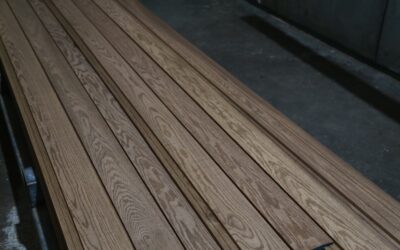
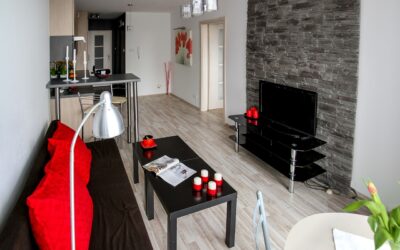
LifeProof’s printed designs are competitive with products costing significantly more. The wood-grain textures feature registered embossing (where the texture aligns with the printed grain pattern), which gives a more realistic appearance. From a standing height, many LifeProof styles are difficult to distinguish from real hardwood.
Underfoot, the attached cork pad provides a slight cushion that makes standing in the kitchen more comfortable than bare tile or hardwood. Sound-wise, LifeProof is quieter than many competing SPC products, though it still produces a noticeable hollow tap in rooms without furniture to absorb sound.
Pros and Cons Summary
- Pros: Competitive pricing, genuine waterproofing, easy DIY installation, attached underlayment, wide style selection, lifetime residential warranty
- Cons: 6-mil wear layer on most products is thin for high-traffic use, exclusive to Home Depot limits price comparison, some users report inconsistent plank sizing between batches
Is LifeProof Flooring Worth Buying?
For budget-conscious homeowners who want waterproof flooring with decent looks and easy installation, Home Depot LifeProof flooring is a solid choice. The 12-mil wear layer products are the best value in the lineup and hold up to pets, kids, and daily kitchen traffic. The standard 6-mil products work fine in low-traffic bedrooms and guest rooms but will show wear in busy areas within 5-7 years.
If your budget allows $4-$6 per square foot, stepping up to Shaw Floorte Pro or COREtec gets you a thicker wear layer and potentially better long-term durability. But at the $2.50-$3.50 price point, LifeProof delivers more than you would expect, which is exactly why it sells as well as it does.
Frequently Asked Questions
Can LifeProof vinyl flooring be installed in a bathroom?
Yes. Because the planks are waterproof, LifeProof is a common choice for bathrooms, laundry rooms, and kitchens. Leave the expansion gap the installation instructions call for around the room, and keep the planks floating rather than pinning them under the toilet or tub. Water that gets under the floor through the edges can still affect the subfloor, so clean up standing water promptly.
Can you install LifeProof flooring over existing tile?
Yes, as long as the tile is firmly bonded and the floor is flat within the same 3/16 inch per 10 foot tolerance required for any subfloor. Wide or deep grout lines should be filled with a floor patch or leveling compound so they do not telegraph through the planks over time. Cracked or loose tiles need to be fixed or removed first.
Can you use a steam mop on LifeProof vinyl flooring?
No, a steam mop is not a good choice for LifeProof or other click-lock vinyl plank. The heat and steam can work into the seams and weaken the locking joints or the bond of the attached pad. Sweep or vacuum regularly and clean with a damp mop and a cleaner made for vinyl floors instead.
Can LifeProof flooring be installed in a basement?
Yes, LifeProof can go over a concrete basement slab because the planks are not damaged by moisture. The slab still needs to be flat, clean, and dry, so test it for moisture before installing and fix any active leaks or water problems. Check the installation instructions on whether a separate vapor barrier is required over concrete with the attached underlayment.
Prefer to explore on your own?
See how new flooring looks in your actual room in seconds — free, no signup.
Try the free Floor Studio →