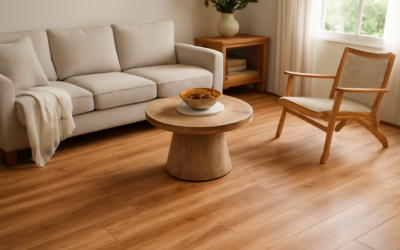
Honey quartz describes a warm family of engineered-quartz surfaces defined by golden, amber, and caramel tones, often with subtle veining or a soft speckled movement. It offers the inviting glow of natural stone like onyx or warm marble while delivering the consistency and low maintenance that engineered quartz is known for.
Part of our Countertops guide — explore the full guide →
This guide covers what honey quartz looks like, how to pair it in a kitchen or bath, how durable it is, and what it generally costs. If you want a countertop that feels warm and welcoming rather than cool and clinical, this color family deserves a close look.
What Honey Quartz Looks Like
Honey quartz lives in the warm end of the color spectrum, ranging from pale golden hues to richer amber and toffee tones. Engineered quartz is manufactured from ground natural quartz bound with resins and pigments, which lets designers create these warm shades with a uniformity that natural stone cannot always match.
Depending on the style, honey quartz can read as a soft, near-solid warm neutral or feature flowing veins and translucent-looking depth that mimic onyx or warm marble. Finishes are typically polished for a glossy glow, though some lines offer honed or matte surfaces for a softer, more contemporary feel. Because patterns vary between manufacturers and product lines, always view a full-size slab rather than a small sample before buying.
Why Homeowners Choose Warm Quartz Tones
Cool grays and stark whites have dominated kitchens for years, and warm tones like honey quartz are a deliberate move toward coziness. Golden hues reflect and amplify light, making a space feel brighter and more welcoming, which is especially valuable in kitchens that get limited natural light.
Warm countertops also pair beautifully with current design trends that favor natural wood, brass and gold hardware, and earthy palettes. Rather than fighting against wood cabinetry or warm flooring, honey quartz harmonizes with them, helping a room feel collected and intentional instead of cold.
There is a practical angle as well. Warm-toned surfaces tend to be more forgiving of the warm light most homes use in the evening, holding their intended color under incandescent and warm LED bulbs rather than shifting the way some cool grays can. That consistency means the countertop you fall in love with under showroom lighting is closer to what you will actually live with day to day, which matters for a fixture you will keep for many years.
Design Pairings That Work
Honey quartz is versatile, but a few pairings consistently shine. Use these as starting points and adjust to your home’s light and style.
- White or cream cabinets: Let the warm countertop add a gentle glow against a bright, classic kitchen.
- Natural wood cabinets: Echo the warmth for a rich, organic, layered look.
- Deep green or navy cabinets: Create striking contrast where the golden tones pop against a moody base.
- Brass and gold fixtures: Reinforce the warm metals already hinted at in the stone.
- Earthy backsplashes: Terracotta, warm marble, or cream subway tile complement rather than compete.
Durability and Performance
One of the strongest reasons to choose quartz of any color is its everyday toughness. Engineered quartz is non-porous, so it resists staining far better than natural stone and never needs sealing, a meaningful advantage in a busy kitchen. The dense surface also resists scratches and chips under normal use.
Quartz does have limits worth respecting. The resin binder can be damaged by high heat, so always use trivets and hot pads rather than setting hot cookware directly on the surface. Prolonged direct sunlight can cause some quartz colors to fade over time, which is a consideration for sunny kitchens or outdoor use, where natural stone may be a better fit.
Cost of Honey Quartz Countertops
Quartz pricing depends on the brand, the pattern complexity, slab thickness, and your local fabrication and installation rates. The following are general estimates and will vary by region.
- Mid-range quartz: roughly $50 to $100 per square foot installed.
- Premium and designer quartz patterns: often $100 to $150 or more per square foot installed.
- Edge profiles, cutouts for sinks and cooktops, and removal of old countertops can add to the total.
Because more intricate veined patterns generally cost more than simple speckled ones, the specific honey quartz style you choose will influence where you land in that range. Get quotes from multiple fabricators using the actual product you intend to buy.
When you compare quotes, make sure you are comparing the same scope. Slab thickness affects both look and price, with thicker slabs costing more and reading as more substantial, while thinner slabs can be built up at the edge to appear heavier for less. The edge profile is another variable: a simple straight or eased edge is typically included, while ogee, mitered, or waterfall edges add labor and material. Ask whether the quote covers templating, fabrication, delivery, installation, sink and faucet cutouts, and disposal of the old counter, since an attractively low per-square-foot price can hide add-ons that close the gap with a higher initial bid.
Caring for Honey Quartz
Daily care is refreshingly simple. Wipe the surface with warm water and a mild dish soap, then dry with a soft cloth. Clean spills promptly, and although quartz resists stains well, lingering substances like wine or coffee are easiest to remove before they dry.
Avoid harsh chemicals, abrasive scrubbing pads, and bleach or high-pH cleaners that can dull the surface or affect the resin over time; follow the manufacturer’s care recommendations for the specific product. Protect the surface from heat with trivets and from scratches by using a cutting board rather than slicing directly on the counter.
Is Honey Quartz the Right Choice
For homeowners who want warmth, low maintenance, and durability in one surface, honey quartz is a compelling option that brings golden, inviting tones to kitchens and bathrooms alike. It pairs naturally with wood, brass, and earthy palettes while delivering the stain resistance and easy care of engineered quartz. View full slabs in person, mind the heat and sunlight limits, and pick the pattern and finish that suit your home, and you will have a countertop that feels both timeless and welcoming for years to come.