
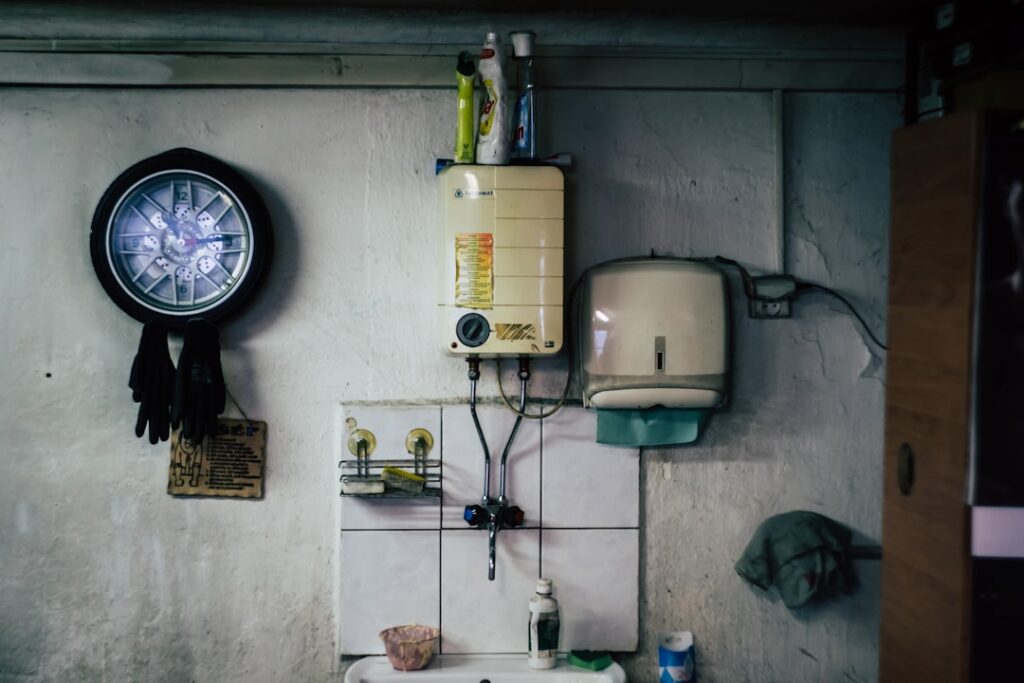
Few home problems get your attention faster than a cold shower on a winter morning. Most hot water heater issues trace back to a handful of predictable culprits, and knowing which ones you can safely tackle yourself, and which demand a professional, can save you hundreds of dollars and a lot of frustration. A standard tank water heater lasts 8 to 12 years, and many failures in that window are minor parts you can replace for $20 to $200 rather than a full unit swap.
Before you touch anything, identify your fuel type. Electric units run on 240 volts and use heating elements inside the tank; gas units use a burner and a pilot or electronic igniter beneath it. The troubleshooting steps differ, and so do the safety precautions. When in doubt about gas connections or electrical work, hire a licensed plumber or electrician. That said, plenty of common faults are well within reach of a careful homeowner.
No Hot Water at All
When you have zero hot water, start with the power source. On an electric heater, check the breaker panel first, then press the red reset button on the high-temperature cutoff switch behind the upper access panel. A tripped reset is one of the most common electric water heater failures, and pressing it costs nothing. If it trips again immediately, a heating element or thermostat has likely shorted and needs replacement, roughly $20 for the part.
On a gas heater, look through the small sight glass or window near the base to confirm the pilot or burner is lit. If a standing pilot has gone out, follow the relighting instructions printed on the tank; if it will not stay lit, the thermocouple, a $10 safety sensor, is the usual offender. Persistent ignition problems on newer electronic units often point to a failed gas control valve, a repair better left to a pro at $150 to $300 installed.
Not Enough Hot Water or It Runs Out Fast
If the water is warm but never truly hot, or the supply disappears halfway through a shower, sediment or a failing element is usually to blame. In electric heaters with two elements, a dead lower element cuts your capacity roughly in half, giving you a burst of hot water that fades fast. Testing an element with a multimeter takes five minutes, and replacing one runs about $150 with a plumber or under $30 in parts if you do it yourself with the power shut off.
An undersized tank is another honest cause. A 40-gallon unit struggles to serve a household of four with back-to-back showers and a running dishwasher. If your family has grown, the fix may be a larger 50 or 75-gallon tank or a switch to a tankless model. Before assuming the worst, raise the thermostat setting toward 120°F, the sweet spot for safety and supply, and confirm the dip tube is intact, since a cracked dip tube mixes cold water into the hot outlet.
Water That Is Too Hot
Scalding water is both a comfort problem and a genuine safety hazard, especially with children or elderly household members. Water above 120°F can cause serious burns in seconds. Start by simply turning the thermostat down; on electric units you must adjust both the upper and lower thermostats to match. Give the tank a few hours to stabilize before rechecking with a thermometer at the tap.
If the water stays scalding no matter how low you set the dial, the thermostat has likely failed in the closed position and is calling for heat constantly. This is worth acting on quickly, since a stuck thermostat combined with a faulty temperature-and-pressure relief valve can let pressure build dangerously. Replace the thermostat, and while you are at it, test the T&P valve as described below.
Leaks and Where They Come From
A puddle under the tank sends most homeowners into a panic, but the source determines whether it is a cheap fix or a death sentence for the unit. Check the obvious connections first: the cold inlet and hot outlet fittings on top, the drain valve at the bottom, and the temperature-and-pressure relief valve on the side. Loose fittings tighten with a wrench, and a dripping drain valve often just needs a $12 replacement or a cap.
The verdict you do not want is a leak from the tank body itself. Once the inner steel tank corrodes through, no repair exists, and you must replace the heater. If you catch water weeping from a seam or the base with no loose fitting to blame, shut off the water supply and the fuel or power, then plan for a new unit. Standard replacements run $900 to $1,800 installed, with tankless conversions higher.
Rumbling, Popping, and Other Noises
A tank that rumbles, pops, or crackles during a heating cycle is almost always suffering from sediment buildup. Minerals settle to the bottom, trap water beneath them, and that water boils and percolates through the layer like a coffee pot. Beyond the noise, sediment insulates the burner or lower element from the water, wasting energy and shortening the tank’s life.
The remedy is an annual flush, one of the best maintenance habits you can build. Shut off the power or gas, connect a garden hose to the drain valve, and run several gallons until the water runs clear. Doing this once a year, ideally paired with checking the sacrificial anode rod every two to three years, can add years to your heater and stave off many of the most annoying hot water heater issues before they start.
Discolored or Smelly Water
Rusty, brown hot water that clears when you switch to cold usually signals corrosion inside the tank or a spent anode rod, the magnesium or aluminum rod that sacrifices itself to protect the steel. Replacing a $30 anode rod every few years is cheap insurance. If the discoloration is severe and paired with a leak, the tank may already be failing internally.
A rotten-egg smell in the hot water points to bacteria reacting with the anode rod, common on well systems. Flushing the tank and swapping a standard magnesium rod for an aluminum-zinc rod typically clears it. If the odor lingers, a chlorine treatment of the tank or a professional water test may be warranted to rule out broader water quality problems.
Maintenance That Prevents Most Problems
Nearly every issue described above is cheaper to prevent than to fix, and a short annual routine adds years to a tank’s life. Flush the tank once a year to clear sediment, test the temperature-and-pressure relief valve by lifting its lever and confirming water discharges then stops cleanly, and inspect the anode rod every two to three years, replacing it once it is corroded down to the core wire. On gas units, keep the burner area and air intake free of dust and lint, which can starve the flame and trip safety shutoffs.
Set the thermostat to 120°F for the best balance of safety, scald prevention, and energy savings; every 10-degree reduction trims water-heating costs by around 3 to 5 percent. If your unit sits in an unconditioned garage or basement, an insulating blanket and pipe insulation reduce standby heat loss for about $30 in materials. Finally, know where your shutoff valves are before an emergency, one for water, one for gas or the breaker, so you can stop a leak or a runaway heater in seconds rather than scrambling when water is already spreading across the floor.
When to Repair and When to Replace
Use age and cost as your guide. If your heater is under 8 years old and the fault is a thermostat, element, thermocouple, or valve, repair it; those parts are inexpensive and the tank has years left. Once a unit passes 10 to 12 years, or the tank itself leaks, or repair estimates approach half the price of a new heater, replacement is the smarter money. Newer models are also markedly more efficient, and a high-efficiency or tankless upgrade may qualify for utility rebates that soften the cost. Keep documentation of your install date, flush the tank yearly, and most hot water heater issues will stay small, cheap, and manageable.


