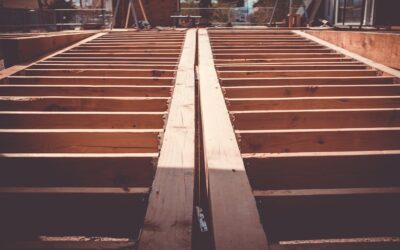
Sizing the framing is one of the first real decisions in any deck build, and getting it wrong is both unsafe and expensive to fix. So how far can a 2×8 span for a deck? The short, honest answer is that it depends on three things: the wood species, the joist spacing, and the load the deck must carry. As a general rule, a 2×8 deck joist spans somewhere in the range of roughly 10 to 12 feet at 16 inches on center for common pressure-treated species, but those numbers shift with the variables, and you must always confirm against an official span table and your local building code.
Part of our Decks & Outdoor guide — explore the full guide →
- Why There Is No Single Answer
- The Three Variables That Control the Span
- General Span Ranges for a 2×8 Joist
- Joist Span Versus Beam Span
- Cantilevers and Overhangs
- Other Factors That Reduce the Span
- Always Check the Span Table and Local Code
- When to Step Up to a 2×10 or 2×12
- Blocking and Bridging
- Hire a Pro When in Doubt
- How Far Can a 2×8 Span Without Support in Other Deck Roles?
- The Bottom Line
Why There Is No Single Answer
People want one tidy number, but spans simply do not work that way. A 2×8 made from dense Southern Pine spans farther than the same board cut from a softer species. A joist spaced 12 inches apart carries less load each and spans farther than one spaced 24 inches apart. And a deck designed for a heavy snow load is rated differently than one in a mild climate. Any chart that gives you a single span for a 2×8 without naming the species, spacing, and load is leaving out the information that actually determines the answer.
The Three Variables That Control the Span
Before you can size a 2×8, you need to understand what drives the number:
- Wood species and grade: Southern Yellow Pine, Douglas Fir-Larch, Hem-Fir, and Spruce-Pine-Fir all have different strength ratings. Higher grades within a species span farther than lower grades.
- Joist spacing (on center): Common spacings are 12, 16, and 24 inches on center (OC). Tighter spacing means each joist carries less, so it spans farther.
- Load: Residential decks are typically designed for a 40 psf live load plus a 10 psf dead load. Heavier loads, like a hot tub or deep snow, reduce the allowable span.
General Span Ranges for a 2×8 Joist
With the standard 40 psf live load and common pressure-treated lumber, a 2×8 deck joist falls roughly in these ranges. Treat these as ballpark figures only:
- 12 inches OC: roughly 12 to 13 feet
- 16 inches OC: roughly 10 to 12 feet
- 24 inches OC: roughly 8 to 10 feet
Stronger species like Southern Pine land at the higher end, while softer species like Hem-Fir or Spruce-Pine-Fir land at the lower end. The exact figure for your build comes from the span table your code references, not from a memorized number.
Joist Span Versus Beam Span
It is critical to know which span you are sizing. The joist span is the distance a joist runs between supports, such as from the ledger at the house to the beam. The beam span is the distance a beam runs between posts, and those numbers are completely different. A 2×8 used as a beam, often built up from two or three boards, carries the loads of all the joists resting on it and spans much shorter distances between posts. Do not confuse the two; mixing up joist and beam tables is a common and dangerous mistake.
Cantilevers and Overhangs
Decks often extend a short distance past the beam, called a cantilever or overhang. Code limits how far a joist can cantilever, typically to a fraction of its back span. For a 2×8, the allowable overhang is modest and is governed by the same span tables. Never simply push joists out past the beam by eye; an over-long cantilever bounces and can fail. The official tables and code spell out the maximum overhang for each joist size and spacing.
Other Factors That Reduce the Span
Several real-world conditions shorten what a 2×8 can safely carry:
- Concentrated loads: Hot tubs, planters, outdoor kitchens, and large gatherings all add load and call for tighter spacing or larger joists.
- Bounce and stiffness: Even within code, a deck framed at the maximum span can feel springy. Many builders space joists at 12 inches OC for a stiffer, more solid feel.
- Decking direction: Diagonal decking patterns may require reduced joist spacing.
- Wet and exposed conditions: Proper grade and treatment of lumber matter for long-term strength.
Always Check the Span Table and Local Code
This is the part you cannot skip. The International Residential Code and the DCA 6 prescriptive deck guide both publish span tables that list the exact allowable span for each species, grade, spacing, and load. Your local building department may amend these for snow, wind, or seismic conditions in your area. Most deck projects also require a permit and inspection. Pull the permit, use the span table your jurisdiction enforces, and have the framing inspected. The cost of a permit is trivial next to the cost and danger of a deck that sags or collapses.
When to Step Up to a 2×10 or 2×12
If your design calls for joists to run farther than a 2×8 comfortably allows, the answer is usually a deeper joist, not tighter spacing alone. A 2×10 spans noticeably farther than a 2×8, and a 2×12 farther still, which is why larger decks often use these sizes. Deeper joists also feel stiffer and reduce bounce. Before settling on a 2×8 because it is cheaper, compare the cost against the labor and posts you would need to add a mid-span beam to support a longer 2×8 run. Sometimes a deeper joist that spans the full distance in one piece is the simpler, more economical choice.
Blocking and Bridging
Long joist runs benefit from blocking, short pieces installed perpendicular between the joists at the midpoint of the span. Blocking keeps tall joists from twisting and rolling under load, distributes weight across adjacent joists, and noticeably stiffens the deck. Many codes require it once joists exceed a certain depth or span. Even when not strictly required, adding a row of blocking at the center of a long 2×8 span is cheap insurance against a bouncy, springy feel and helps the whole deck act as one solid structure.
Hire a Pro When in Doubt
Framing a deck is well within reach for an experienced DIYer, but the structural math is not the place to guess. If you are unsure about species ratings, load combinations, or how a hot tub or roof changes the picture, consult a licensed contractor or a structural engineer. Many building departments also offer guidance and will review your plans. The modest cost of professional input is trivial compared to the consequences of a failure, and a properly sized deck will serve your family safely for decades.
How Far Can a 2×8 Span Without Support in Other Deck Roles?
Joist tables answer only one version of the question. On a real deck, a 2×8 might be used as a beam, a rim, a stair landing frame, or even a plank laid flat for a step or bench. Asking how far can a 2×8 span without support means something different in each of those roles, because orientation and load change the answer dramatically. The figures in this section are typical examples to help with planning; the span table your local code adopts and, where needed, an engineer govern.
On Edge Versus Laid Flat
Stiffness comes from depth. Standing on edge, a 2×8 is about 7.25 inches deep and resists bending well. Laid flat, it is only 1.5 inches deep and becomes many times more flexible. A flat 2×8 used as a step tread, bench seat, or walkway plank usually needs support every 2 to 3 feet or so to avoid noticeable bounce and long-term sag. Add a cleat or short joist underneath rather than relying on the plank alone.
A Doubled 2×8 as a Beam Between Posts
When two or three 2x8s are fastened together as a beam, the span between posts depends heavily on how long the joists behind it are, because the beam carries half of every joist that lands on it. As a rough planning range, a doubled 2×8 beam in a common treated species might reach around 5 to 7 feet between posts when it supports a modest joist span, and less as the joists get longer. Always read the beam table, not the joist table, for this role.
Freestanding Decks With No Ledger
A freestanding deck replaces the house ledger with a second beam and row of posts. The 2×8 joist span is still measured between beams, but the structure now needs its own resistance to racking. Diagonal knee braces between posts and beams, or other lateral bracing the code allows, keep a tall freestanding deck from swaying. Footings must still reach below the frost line in cold regions. Call 811 before digging any footing hole so buried utility lines are marked.
Signs a 2×8 Is Already Spanning Too Far
On an existing deck, watch for these warning signs:
- A visible dip near mid-span when you sight along the decking
- Bounce that makes dishes rattle on an outdoor table
- Fasteners pulling out of decking boards in the middle of the run
- Joists twisting or rolling where no blocking was installed
- Cracks or splits forming on the bottom edge of a joist
Any of these signs means it is time to check the framing against the span table. Adding a mid-span beam, sistering, or blocking can often restore stiffness. Cracked or rotted members should be replaced, and a licensed contractor or engineer should look at anything supporting a hot tub, roof, or second level. The answer to how far can a 2×8 span without support is always shorter when the wood is decayed, so probe suspect areas with an awl before relying on them.
The Bottom Line
So how far can a 2×8 span for a deck? Plan on roughly 10 to 12 feet as a joist at 16 inches on center for common pressure-treated lumber, with the real number rising or falling based on species, spacing, and load. Tighter spacing and stronger species buy you more span; heavier loads and softer woods take it away. Never build off a single remembered number. Confirm your span against the official table your local code requires, pull the proper permit, and get it inspected so your deck is safe for decades.