Most homeowners only think about the roof when water is already dripping onto the ceiling, and by then the question is urgent: how much is this going to cost me? So how much does roof repair cost? The honest answer is that how much does roof repair cost ranges from about $150 for a couple of replaced shingles to $8,000 or more for major structural and decking work, with the national average landing around $400 to $1,800 for a typical repair. Understanding how much does roof repair cost means understanding what actually drives the bill, because two homeowners with the same leak can pay wildly different amounts depending on the material, the pitch, and how long they waited. Let me break down the numbers the way a roofer prices a job.
Part of our Roofing guide — explore the full guide →
How Much Does Roof Repair Cost by Repair Type
Different problems carry very different price tags. Here is what common repairs typically run, including labor and materials:
- Replace a few missing or cracked shingles: $150 to $600
- Reseal or replace flashing (chimney, valley, vent): $300 to $1,500
- Fix a minor to moderate leak: $400 to $1,500
- Repair or replace damaged decking/sheathing: $1,000 to $3,000
- Repair sagging roof or structural framing: $2,000 to $8,000-plus
Small, localized fixes caught early sit at the bottom of that range. The bill climbs fast once water has been getting in long enough to rot the wood decking underneath, which is exactly why a $300 flashing repair ignored for two winters can turn into a $3,000 decking job.
Roofing Material Changes the Price
What is on your roof matters as much as what is wrong with it. Asphalt shingles are the cheapest to repair because the material is inexpensive and every roofer stocks it; expect $150 to $600 for a shingle repair. Wood shakes cost more to source and match, running $300 to $1,000 for a comparable fix.
Metal roofing repairs vary widely; a loose panel or fastener reseal might be $300 to $800, but matching and replacing a damaged standing-seam panel can run $500 to $2,000. Tile and slate sit at the top: clay or concrete tile repairs run $500 to $2,500 because the tiles are heavy, fragile to walk on, and often need special-order matching, while natural slate can exceed $3,000 for even a modest repair because the material and the skilled labor to work it are both expensive.
The Hidden Factors That Move the Number
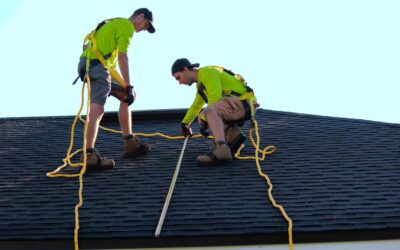
Beyond material and repair type, several factors quietly push the price up. Roof pitch is a big one: a steep roof over about 7/12 slope requires harnesses, staging, and slower, more careful work, and roofers charge a premium of 25 to 50 percent for the added risk and time. A single-story ranch is far cheaper to service than a three-story Victorian where the crew needs tall ladders or a lift just to reach the eave.
Accessibility, the number of roof penetrations like vents and skylights, and your local labor rates all factor in. Emergency or after-hours calls during a storm surge can add $500 or more, and if the repair reveals hidden rot once the crew opens things up, expect a change order. Permits, required in many towns for anything beyond minor patching, add $75 to $500 depending on the jurisdiction.
Labor Versus Materials
On a typical repair, labor is the larger share of the bill, often 60 to 70 percent of the total. Roofing is physical, skilled, and dangerous work, and crews price accordingly. Most roofers charge either a flat rate for defined small jobs or an hourly rate of roughly $45 to $75 per worker, and many carry a minimum service call of $150 to $350 just to send a crew out, which is why replacing three shingles rarely costs only the price of three shingles.
Materials for a small repair are cheap by comparison. A bundle of architectural shingles covers about 33 square feet and runs $30 to $45; a tube of roofing sealant is under $10; a roll of flashing is $20 to $40. The takeaway is that the fixed cost of getting a qualified crew safely onto your roof dominates small jobs, so it often makes sense to bundle several minor fixes into one visit.
When Repair Stops Making Sense
There is a point where repairing is throwing good money after bad. A useful rule of thumb: if the repair would cost more than about 30 percent of a full replacement and the roof is past 75 percent of its expected lifespan, replacement is usually the smarter spend. Asphalt shingle roofs last 15 to 30 years; if yours is 22 years old and you are patching leaks every spring, you are paying for a new roof in installments and still living with an old one.
Widespread damage tips the scale too. A single leak from a lifted flashing is a repair. Curling and granule loss across the whole field, multiple active leaks, or a sagging deck are signs the system is failing, and spot repairs will just chase the next leak. A full asphalt replacement runs roughly $5,000 to $15,000 for an average home, so weigh the repair cost against that with the roof’s age in mind.
Common Repairs and What Causes Them
Knowing why roofs fail helps you understand the quote in front of you. The most frequent culprit is failed flashing, the metal that seals transitions around chimneys, valleys, skylights, and wall junctions. Flashing takes the brunt of water movement, and its sealant dries and cracks over 10 to 15 years, letting water sneak in at the very spots shingles cannot cover. This is why a flashing repair, at $300 to $1,500, is one of the most common line items.
Wind and storm damage is the next big category. High winds lift and tear shingles, especially along ridges and eaves, and hail bruises the protective granule layer so shingles age prematurely. After any major storm, a lifted or missing shingle exposes the underlayment and starts the clock on a leak. Other frequent repairs include cracked or missing pipe boots (the rubber gaskets around plumbing vents, which sun-rot in 8 to 12 years), clogged or detached gutters that back water under the eaves, and popped nails that create tiny entry points.
Catching these at the source is why an inspection pays for itself. A pipe boot replacement is $150 to $400 if caught early; ignored, the same failure soaks the decking and ceiling below and becomes a four-figure job.
Insurance, Financing, and Getting an Honest Quote
Money-side factors can change your out-of-pocket cost dramatically. Storm, hail, and wind damage are typically covered by a standard homeowner’s policy, so if a tree limb or a hailstorm caused the damage, file a claim; you pay only your deductible, often $500 to $2,000, while insurance covers the rest. Damage from age, wear, and neglected maintenance, however, is not covered, which is another reason to document and repair promptly.
When gathering quotes, insist on itemized written estimates rather than a single lump number, so you can see the split between materials, labor, and any decking or structural work. A vague one-line bid is a red flag. Verify the contractor’s license and current insurance, ask for local references, and be wary of storm-chasing crews that appear door to door after severe weather, since some pressure homeowners into unneeded work or vanish before the warranty matters. A reputable roofer will happily show you photos of the damage and explain exactly what each charge covers.
How to Keep Repair Costs Down
The cheapest roof repair is the one you catch early. Inspect your roof, or have a pro inspect it, twice a year and after major storms; a $150 to $400 inspection routinely catches a $300 flashing issue before it becomes a $3,000 decking replacement. Keep gutters clear so water is not backing up under the shingles at the eaves, and trim branches that scrape the surface.
When you do need work, get at least three written estimates, confirm the contractor is licensed and carries current liability and workers’ comp insurance, and ask whether the damage might be covered by your homeowner’s policy, since storm and wind damage often is after your deductible. Do not automatically take the lowest bid; a crew that underprices often cuts corners on flashing and underlayment, the exact spots where leaks start. Spend a little on prevention and hire carefully, and you will keep your roof-repair costs on the low end of every range in this guide.