Tile is one of the best upgrades you can make in a kitchen, but the quotes can swing wildly, and it is hard to know whether you are being charged fairly. Figuring out how much to tile a kitchen means breaking the job into its real parts: the tile itself, the materials that go under and between it, and the labor to set it. Once you understand what drives each cost, you can budget accurately, spot an inflated bid, and decide where it is worth spending and where you can save. This guide lays out realistic numbers for both kitchen floors and backsplashes, plus the hidden costs that catch homeowners off guard.
Part of our Kitchen Remodeling guide — explore the full guide →
Prices vary by region and by how fancy your tile is, but the framework below will get you to a reliable estimate for your own kitchen.
The Two Tile Projects in a Kitchen
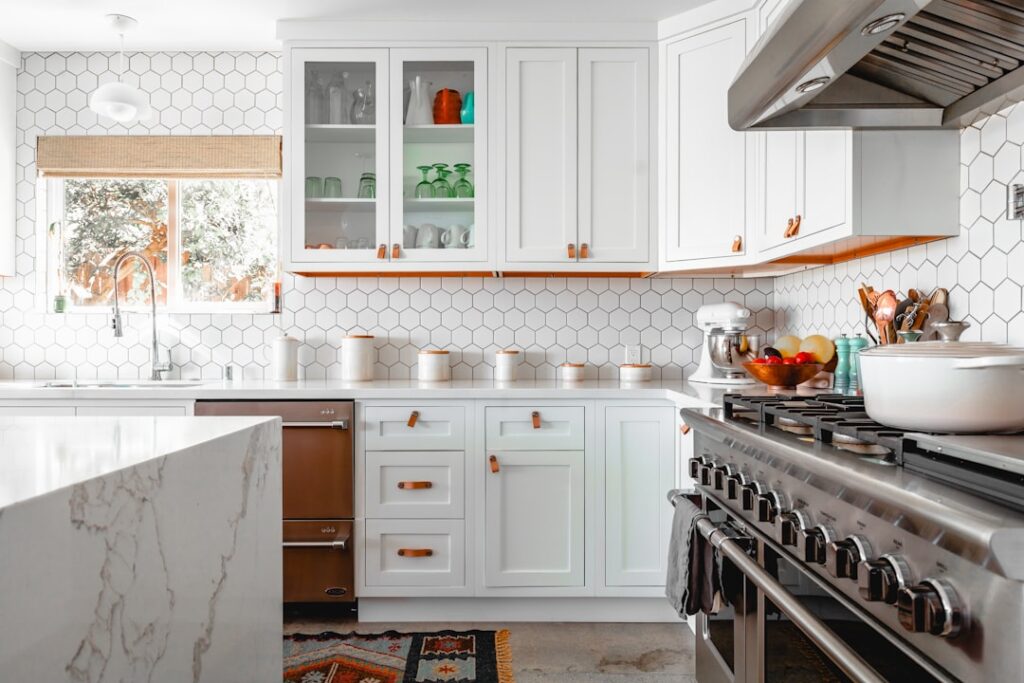
Kitchens have two very different tiling jobs, and lumping them together leads to confusion. The floor is a large, flat expanse that takes durable tile and significant labor, while the backsplash is a smaller vertical surface that often uses more expensive decorative tile but covers far less area. A typical kitchen floor might run 100 to 200 square feet, whereas a backsplash is often just 25 to 40 square feet.
Because the backsplash is small, homeowners frequently splurge on premium tile there while choosing a budget-friendly porcelain for the floor. Understanding these as separate line items is the first step to answering how much to tile a kitchen for your specific space.
Kitchen Floor Tiling Costs
For a kitchen floor, the all-in installed cost commonly lands somewhere around $10 to $20 per square foot, though it can run higher with premium tile or difficult prep. That figure combines several components you should understand.
- Tile material: roughly $2 to $10 per square foot for ceramic and porcelain, more for natural stone or large-format designer tile.
- Labor: typically $5 to $12 per square foot depending on your area and the tile’s complexity.
- Materials: thinset, grout, backer board or membrane, and spacers add a few dollars per square foot.
For a 150-square-foot kitchen floor, that math often produces a total in the rough range of $1,500 to $3,000. Large-format tile, intricate patterns, herringbone layouts, and natural stone all push labor higher because they take more time and skill to set.
Kitchen Backsplash Costs
A backsplash covers less area, so the total is smaller, but the per-square-foot cost can actually be higher because the tile is often pricier and the work is fiddly around outlets, windows, and cabinets. Installed backsplash costs frequently run $15 to $40 per square foot, with mosaic and glass tile at the upper end because they are slow to set and cut.
For a standard backsplash of 30 square feet, that typically means a total somewhere around $450 to $1,200. Simple subway tile in a straight layout sits at the low end, while glass mosaics, marble, or a complex pattern with lots of cuts land at the high end. Because the area is small, upgrading the tile here adds far less to your total than upgrading the floor tile would.
What Drives the Price Up or Down
Several factors explain why two kitchens of the same size get very different quotes. Tile choice is the biggest lever: budget porcelain versus imported marble can triple the material cost. Tile size and pattern matter too, since large-format and geometric layouts demand more labor. Prep work is a frequent surprise, if your subfloor needs leveling, an old floor needs removal, or the wall needs repair, those add cost before a single tile goes down.
Other variables include the number of cuts around cabinets and appliances, whether you need a waterproofing membrane, and regional labor rates, which vary dramatically between markets. Demolition and disposal of an old floor can add several hundred dollars on its own.
DIY Versus Hiring a Pro
Labor is roughly half the cost of a tile job, so doing it yourself can cut the bill significantly. A backsplash is a very reasonable DIY project for a patient homeowner, since the area is small and mistakes are less costly. A large kitchen floor is more demanding, requiring solid subfloor prep, proper thinset technique, and clean grout lines across a big visible expanse, which is where many DIY jobs disappoint.
If you tile the backsplash yourself, you might spend only $150 to $400 in materials instead of over a thousand. But weigh your skill honestly on the floor, because a poorly set floor with lippage, hollow spots, or uneven grout lines is expensive to tear out and redo. Many homeowners split the difference, hiring out the floor and doing the backsplash themselves.
Ways to Save Without Cutting Corners
You can trim the cost of tiling a kitchen without ending up with a job you regret. Choose a quality porcelain floor tile over natural stone to save on both material and maintenance. Pick a standard tile size and a simple layout to reduce labor. Splurge on the small backsplash and economize on the large floor, since the floor area drives the total. And get at least three itemized bids so you can compare tile, labor, and prep separately rather than as one lump sum.
Just avoid false economies. Skipping proper backer board or a waterproofing membrane, using cheap thinset, or hiring the lowest bidder with no references can cost far more when the job fails. The right place to save is on tile selection and simplicity, not on the structural prep that makes tile last.
Don’t Forget the Extra Tile and Timeline
Two things routinely blow up a tiling budget and schedule, and both are easy to plan for. The first is waste. You should always order 10 to 15 percent more tile than your measured square footage to cover cuts, breakage, and the occasional defective piece, and more for diagonal or herringbone layouts that generate extra cut waste. Buying a little extra also gives you matching spares for future repairs, since dye lots change and a discontinued tile can be impossible to match in a year or two.
The second is time, which matters if the kitchen is out of service during the work. A backsplash might take a day or two, but a full floor involves demo, subfloor prep, setting, and grouting, with cure time between steps during which you cannot walk on the floor. Factor in that the thinset and grout each need time to cure before the next stage, so a floor job realistically spans several days. Knowing how much to tile a kitchen means budgeting for that extra material and that downtime, not just the headline cost per square foot.
Putting Your Estimate Together
To answer how much to tile a kitchen for your home, measure your floor and backsplash separately, pick a tile and note its per-square-foot price, then add labor and materials using the ranges above. A realistic combined budget for a mid-range kitchen, floor plus backsplash, often lands somewhere in the $2,000 to $4,500 range, with DIY work and simpler tile pulling it lower and premium materials and complex patterns pushing it higher. Build in a 10 to 15 percent buffer for extra tile and unexpected prep, and you will have a number you can trust when the bids come in.
Prefer to explore on your own?
See how new flooring looks in your actual room in seconds — free, no signup.
Try the free Floor Studio →