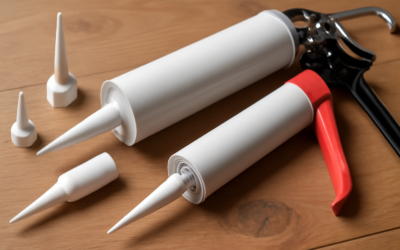
You finish caulking a tub, set the half-used tube on a shelf, and three weeks later the nozzle is plugged with a rubbery plug and the rest seems wasted. It does not have to be that way. Learning how to store caulk properly can stretch a single tube across multiple projects and save you the cost and hassle of buying a fresh one every time. The enemy is air, which cures the caulk inside the nozzle and tube, so the whole strategy comes down to sealing the opening, keeping the tube in the right conditions, and understanding how long caulk actually lasts.
Part of our Paint & Walls guide — explore the full guide →
Seal the Nozzle Right Away
The moment you stop caulking, the clock starts on the exposed caulk in the nozzle. Air reaches it first and cures it into a hard plug. Your first job is to seal that opening completely so air cannot get in. The most reliable methods all share the same goal, plugging the tip airtight:
- Screw or nail in the tip: Insert a screw, nail, or golf tee snugly into the nozzle to block the opening. This is the classic, dependable trick.
- Cap it: Many tubes come with a reusable cap, twist it on firmly. If yours did not, a wire connector (wire nut) twisted onto the tip works well.
- Wrap it: Wrap the tip tightly in plastic wrap or electrical tape as a backup or extra seal.
The key is an airtight closure. A loose cap or an open tip is the number one reason half-used tubes go to waste.
Store It Cool, Dry, and Upright
Where you keep the tube matters almost as much as how you seal it. Caulk lasts longest in a cool, dry place with stable temperatures. Avoid extremes, a freezing garage in winter or a sweltering attic in summer can degrade the caulk and shorten its life. A basement shelf, a climate-controlled storage area, or an indoor utility cabinet is ideal. Store the tube upright with the sealed nozzle up so any settling does not push caulk into the tip. Keep tubes away from direct sunlight and moisture, both of which accelerate curing and breakdown.
Clearing a Clogged Nozzle
Even with good storage, the very tip can sometimes form a small plug. When you are ready to reuse the tube, do not give up on it. Remove the screw or cap, then push a long nail, a piece of stiff wire, or a thin drill bit down the nozzle to break through and clear the cured plug. If the clog is deep, you can cut a small amount off the end of the nozzle to reach fresh caulk below. Once cleared, squeeze out a little to confirm the caulk underneath is still smooth and usable before applying it to your project.
Understanding Opened-Tube Shelf Life
Be realistic about how long an opened tube lasts. Even well-sealed, an opened tube has a shorter usable life than a sealed one because some air has already entered. Properly stored, many opened tubes remain usable for several weeks to a few months, though this varies by product and conditions. The deeper into the tube the caulk has cured, the less you can salvage. When you reopen a tube, test it first, if it extrudes smoothly and cures normally on a scrap surface, it is fine to use, if it comes out lumpy, stringy, or fails to cure, replace it.
Storing Unopened Tubes
Unopened caulk has a much longer shelf life, but it is not indefinite. Most tubes carry a manufacturer’s shelf life, often around 12 months for some products and longer for others, and many are printed with a date code or expiration. Store unopened tubes the same way, cool, dry, and out of temperature extremes, to reach their full rated life. Rotate your stock so older tubes get used first, and check the date before starting a project, expired caulk may not adhere or cure properly even if the tube was never opened.
Storage Differences by Caulk Type
Not all caulk behaves the same in storage, and knowing your product helps. Silicone caulk cures by reacting with moisture in the air, so an airtight seal on the nozzle is especially important to keep humidity from setting off the tip. Acrylic latex and siliconized latex caulks are water-based and can be damaged by freezing, leaving them grainy and unusable, so never store these in an unheated garage where temperatures drop below freezing. Polyurethane caulks are sensitive to both moisture and heat. In every case, the same principles apply, seal the opening, keep the tube cool and dry, and avoid temperature extremes, but water-based products are the ones most at risk from cold, while moisture-curing silicones are most at risk from humidity. Reading the label on your specific tube tells you which hazard to guard against most carefully.
Why Proper Storage Saves Money
It is easy to dismiss caulk as cheap, but waste adds up across a year of projects, and a dried-out tube also costs you a trip to the store mid-job. Beyond the dollars, properly stored caulk performs better, fresh, uncompromised caulk adheres and cures the way it should, giving you watertight, lasting seals. Caulk that has partially cured or sat too long can fail even if it looks usable, leading to leaks and callbacks that cost far more than a new tube. Treating storage as a quick habit at the end of every job, seal the tip, label the date, set it upright in a cool, dry spot, turns a throwaway item into a dependable supply you can reach for again and again.
Signs Caulk Has Gone Bad
Whether opened or not, watch for these signs that a tube is no longer good:
- Caulk that has hardened or partially cured inside the tube
- A lumpy, stringy, or separated texture when extruded
- Failure to cure or stay tacky long after the normal cure time
- A tube past its printed expiration or date code
Using degraded caulk leads to poor adhesion and seals that fail, costing you a redo. When in doubt, a new tube is cheap insurance.
The Bottom Line
Mastering how to store caulk is simple and pays off immediately: seal the nozzle airtight with a screw, cap, or wire nut, store the tube upright in a cool, dry place away from temperature extremes, and clear any small plug before reuse. Respect the shorter shelf life of opened tubes, rotate unopened stock, and check date codes. Do these few things and you will get far more value from every tube while ensuring your next caulk joint actually seals the way it should.