
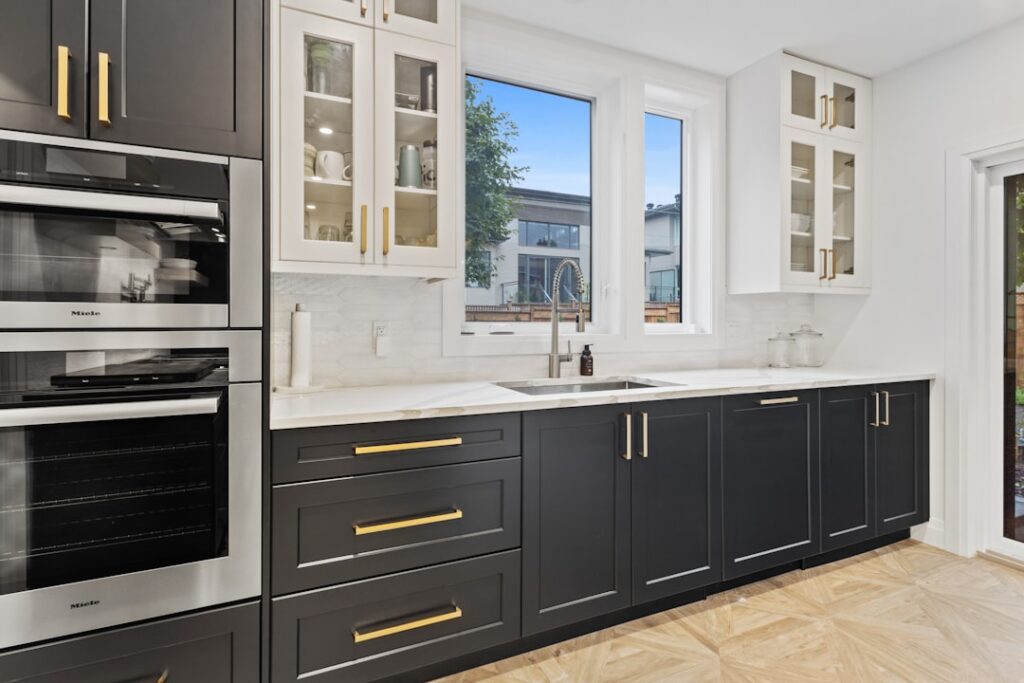
Glass-front cabinets are a beautiful feature, but they come with a challenge: everything inside is on display, so a jumble of mismatched mugs and cereal boxes undoes their charm instantly. Knowing how to style upper glass kitchen cabinets transforms them from a storage afterthought into a curated focal point that makes your whole kitchen look more custom and intentional. The secret is treating the interior like a small display shelf, balancing form and function. This guide covers what to display, how to arrange it, and the finishing touches that pull the look together.
Part of our Kitchen Remodeling guide — explore the full guide →
- Start With a Clean Slate
- Choose a Cohesive Color Palette
- What to Display
- Arrange With Balance and Symmetry
- Add Lighting for Impact
- Consider the Cabinet Interior
- Mix Open Display With Practical Storage
- Common Mistakes to Avoid
- Seasonal and Easy Updates
- Working With Different Glass Styles
- Frequently Asked Questions
Start With a Clean Slate
Before styling anything, empty the cabinets completely and clean the glass and shelves inside and out. Then edit ruthlessly. Glass cabinets are not the place for everyday clutter, random plastic containers, or product packaging. Set aside only the pieces worth showing: attractive dishware, glassware, cookbooks, and a few decorative objects. Everything utilitarian and unsightly should move to closed cabinets. Starting with a blank, clean canvas lets you compose the display deliberately rather than just shoving items back in.
Choose a Cohesive Color Palette
The single biggest factor in a polished look is color cohesion. Pick a palette of two or three colors that complements your kitchen and stick to it. All-white dishware reads clean and timeless. Neutral tones like cream, wood, and soft gray feel warm and layered. A single accent color, such as blue-and-white china or amber glassware, adds personality without chaos. When the contents share a palette, even a full cabinet looks organized and designed rather than crowded. Group items by color if you have variety, keeping like tones together.
What to Display
Mix function and beauty so the cabinets still earn their keep as storage. Good candidates include:
- Matching dishware: Stacks of white or neutral plates and bowls are a classic, orderly choice.
- Glassware and stemware: Clear or colored glasses catch the light and look elegant lined up.
- Attractive serveware: Pitchers, platters, and cake stands add height and interest.
- A few cookbooks: Stacked horizontally, they add warmth and can serve as risers.
- Decorative accents: A small plant, a ceramic vase, or a bowl of citrus breaks up rows of dishes.
Avoid displaying mismatched everyday cups, plastic items, appliances, and anything with loud branding.
Arrange With Balance and Symmetry
Composition is what separates a styled cabinet from a stuffed one. Use these principles:
- Vary the height. Combine tall items like pitchers with short stacks of plates and bowls so the eye moves across the shelf.
- Create symmetry. Mirror arrangements on either side of a shelf or between two cabinets for a calm, balanced feel.
- Use the rule of odds. Groupings of three objects tend to look more natural and pleasing than pairs or fours.
- Leave breathing room. Do not pack every inch. A little negative space makes the pieces feel curated, not crammed.
- Stack and layer. Nest bowls, stack plates, and place a decorative object on top of a short stack to add dimension.
Add Lighting for Impact
Nothing elevates glass cabinets like interior lighting. Puck lights or LED strip lighting inside the cabinet make glassware sparkle and give the kitchen a warm, high-end glow, especially at night. Battery-powered or plug-in LED puck lights cost $15 to $40 for a set and require no wiring, while hardwired under-cabinet and in-cabinet lighting offers a cleaner finish. Warm white light around 2700K to 3000K flatters most kitchens. Lighting turns your styled display into a genuine focal point after dark.
Consider the Cabinet Interior
Because the inside is visible, the back and shelves of the cabinet become part of the design. Painting or wallpapering the interior back panel in a contrasting or complementary color adds depth and makes the displayed items pop. A soft blue, sage green, or warm neutral behind white dishes looks especially striking. Beadboard or a textured wallpaper adds character. If you prefer a subtle approach, simply keeping the interior the same color as the cabinet creates a seamless, gallery-like backdrop.
Mix Open Display With Practical Storage
You do not have to sacrifice function for looks. Reserve the glass-front cabinets, usually the most visible ones at eye level, for your best pieces, and keep the everyday clutter behind solid doors. If only some of your uppers have glass, put the display-worthy items there and use the solid cabinets for the rest. This lets you enjoy the beauty of the glass fronts while still storing the unattractive but necessary kitchen gear out of sight.
Common Mistakes to Avoid
Overcrowding is the top error; a packed cabinet looks messy no matter how nice the contents. Mixing too many colors and styles creates visual noise, so commit to a palette. People also display purely utilitarian items with visible branding, which cheapens the look. Ignoring the interior back panel wastes an easy design opportunity. Forgetting to account for how items look from outside, such as stacking bowls with chips facing forward, undermines the effort. Finally, skipping lighting leaves an otherwise lovely display flat and dim.
Seasonal and Easy Updates
One of the joys of glass cabinets is how easily you can refresh them. Swap in seasonal touches like fresh greenery in spring, warm amber glass in fall, or a few festive pieces during the holidays. Because the framework of matching dishware stays constant, small changes to the decorative accents keep the display feeling current with minimal effort. Rotating a plant, a stack of cookbooks, or a colorful bowl is enough to give the whole kitchen a quick lift.
Working With Different Glass Styles
The type of glass in your cabinet doors influences how much you need to style the interior. Clear glass shows everything, so it demands the most careful arrangement and the tidiest contents. Frosted, seeded, or reeded glass partially obscures the interior, hiding minor clutter while still hinting at what is inside, which is more forgiving if you want the look without constant upkeep. Textured and antique glass adds character on its own, letting simpler contents shine through softly. Match your styling effort to the transparency: the clearer the glass, the more curated the inside needs to be.
If you love the glass-front look but worry about keeping it perfect, mixing a couple of frosted or reeded doors among clear ones gives you flexibility. Display your showpiece dishware behind the clear panels and tuck the less photogenic essentials behind the frosted ones. This lets you enjoy the airy, custom feel of glass cabinetry without feeling pressured to keep every shelf styled to perfection at all times.
Frequently Asked Questions
What should I put in glass-front kitchen cabinets?
Display your most attractive dishware, glassware, serveware, a few cookbooks, and small decorative accents. Keep the palette cohesive and store everyday clutter and branded items behind solid doors.
How do I keep glass cabinets from looking cluttered?
Edit down to only display-worthy pieces, stick to two or three colors, vary the heights, and leave breathing room. Negative space and a consistent palette are what make the display look curated.
Should I add lighting to glass cabinets?
Yes. Interior puck or LED strip lighting makes glassware sparkle and turns the cabinets into a focal point at night. Battery-powered LED pucks are an easy, no-wiring option for $15 to $40.
Can I paint the inside of glass cabinets?
Absolutely. Painting or wallpapering the interior back panel in a contrasting color adds depth and makes white or clear items stand out. Soft blue, sage, and warm neutrals all work well.
Learning how to style upper glass kitchen cabinets comes down to editing, a cohesive palette, balanced arrangements, and good lighting. Show only your best pieces, vary the heights, leave a little breathing room, and consider a painted back panel, and your glass cabinets will read as a polished, custom-looking feature in the heart of your kitchen.


