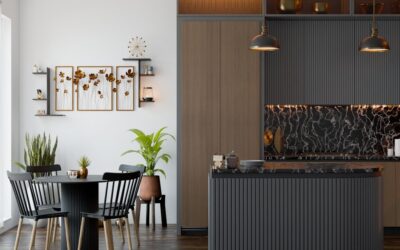
Adding glass to even a single cabinet door can shift a kitchen from purely functional to genuinely designed. Thoughtful kitchen cabinet glass design breaks up a wall of solid doors, adds depth and light, and gives you a place to display the pieces worth showing off. The trick is choosing the right glass type and putting it in the right spots, because too much glass creates clutter while too little misses the payoff. Here is how to get it right.
Part of our Kitchen Remodeling guide — explore the full guide →
Why Add Glass to Cabinets
Glass fronts do three things at once. They visually open up a room by breaking the monotony of closed doors, they let light pass through so upper cabinets feel less heavy, and they turn everyday dishware into a display. In a small kitchen especially, a few glass doors can make the space feel larger and brighter.
Glass also invites a bit of discipline. Because the contents are visible, glass-front cabinets encourage you to keep at least that shelf tidy, which is its own small benefit.
Popular Glass Types
The style of glass sets the entire mood, from crisp and modern to soft and traditional. Choose based on how much you want to reveal.
- Clear glass: Fully transparent, ideal for displaying nice dishware and glassware.
- Frosted or satin: Obscures the contents while still passing light, great for hiding everyday clutter.
- Seeded glass: Textured with tiny bubbles for a vintage, handcrafted feel.
- Reeded or fluted: Vertical ribbing that reads modern and partially veils what is inside.
- Textured or patterned: Rain, water, or geometric patterns for a distinctive statement.
Frame and Mullion Styles
The way the glass is framed matters as much as the glass itself. A single pane in a simple frame looks clean and contemporary, while mullions, the divided grid bars across the door, add traditional or cottage character.
Common mullion layouts include a simple two-over-two, a classic prairie grid, or a full multi-lite pattern. For a French or English-inspired kitchen, divided lites feel right at home, whereas a single frameless pane suits a minimalist, modern space.
Where to Place Glass Doors
Placement is where good design separates from cluttered. You rarely want every cabinet in glass. Instead, use it strategically to draw the eye.
- Upper corner cabinets: A natural focal point that frames a display.
- Flanking a hood or window: Symmetrical glass doors balance a range or sink wall.
- A single accent cabinet: One glass door amid solid ones adds interest without clutter.
- Full glass hutch or bar area: A dedicated display zone for stemware or china.
Keep glass on uppers and solid doors on the lowers, where pots, pans, and small appliances live and are best hidden.
Interior Lighting for Glass Cabinets
Nothing elevates a glass cabinet like interior lighting. Puck lights or LED strips inside the cabinet make displayed pieces glow, and on a dimmer they double as soft evening ambiance when the main lights are off.
Pair lit glass cabinets with glass shelves inside rather than solid ones, so light passes all the way down through each shelf. The effect turns a functional cabinet into a display case.
Styling What Is Inside
Once the contents are visible, arrangement becomes part of the design. Group items by color or type, leave a little breathing room rather than packing shelves full, and mix heights for visual rhythm. Stacked white plates, a row of stemware, and a few decorative pieces read far better than a jumble.
Frosted or reeded glass gives you a forgiving middle ground, letting you enjoy the look without curating every shelf perfectly.
Cost and Adding Glass to Existing Cabinets
Ordering glass-front doors with new cabinetry usually adds $30 to $100 or more per door over a solid version, depending on the glass and framing. If you already have cabinets, you can retrofit by having a glass shop cut panels to fit doors you rout out, or by buying replacement glass doors from the same cabinet line.
A budget-friendly DIY route is to remove the center panel of an existing door and install glass in its place, a project a handy homeowner can tackle in a weekend.
Glass in Modern vs Traditional Kitchens
The same glass door reads completely differently depending on how you frame and finish it. In a modern kitchen, a single frameless pane of clear or reeded glass in a slab door keeps the look minimal and architectural. Pair it with handleless push-to-open doors and the glass becomes a subtle accent rather than a focal point.
Traditional and transitional kitchens lean the other way, using divided-lite mullions, seeded glass, and framed Shaker doors to add warmth and history. A glass-front upper flanking a farmhouse range hood, filled with white ironstone or vintage glassware, is a classic look that never feels dated. Match the glass and framing to your cabinetry style so the addition feels intentional.
Care and Cleaning
Glass fronts do ask for a bit more upkeep than solid doors, since fingerprints and cooking film show on clear panels near the stove. A quick wipe with glass cleaner and a lint-free cloth keeps them sparkling, and mounting glass cabinets away from the range reduces grease buildup.
Frosted, seeded, and reeded glass are far more forgiving, hiding smudges and requiring only occasional cleaning. If low maintenance matters to you, favor textured glass on the doors you open most and save crystal-clear panes for display cabinets you touch less often.
Bringing It Together
Great kitchen cabinet glass design is about restraint and intention: pick a glass type that matches how tidy you want to be, frame it to suit your kitchen’s style, and place it where it creates a focal point rather than clutter. Add interior lighting to make it sing. A few well-chosen glass doors deliver more character than an entire wall of them, and that is exactly the point.