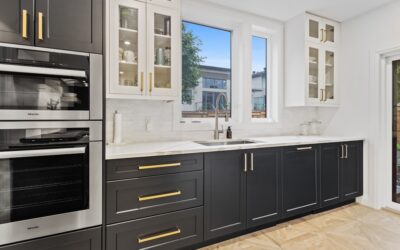
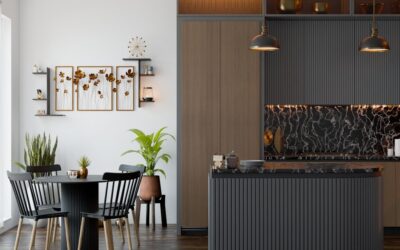
A single row of glass-fronted wall cabinets can shift a kitchen from heavy and closed-in to airy and intentional. Glass upper cabinets reflect light, break up large runs of solid doors, and force you to keep at least one shelf curated. Used well, they read as built-in display. Used poorly, they advertise mismatched mugs and old cereal boxes. The difference comes down to the glass type, the cabinet box behind it, and the lighting you add inside.
Part of our Kitchen Remodeling guide — explore the full guide →
Why Glass Fronts Change a Kitchen
Run a tape measure along your upper cabinets. In a typical 10-foot kitchen, you may have 30 to 40 square feet of door face staring back at you. Swapping even two of those doors for glass cuts the visual weight by roughly a third without losing storage. The change is most dramatic in small kitchens under 120 square feet, where a wall of flat-panel doors can feel like a closed locker bank.
Glass also gives you a reason to upgrade the cabinet interior. Painting the back panel a deep navy or sage, swapping the standard MDF shelves for tempered glass at $35 to $60 each, and adding puck lights turns a $180 stock cabinet into a feature wall.
Glass Types and What They Cost
Pricing for the glass insert itself usually runs separately from the door frame. Expect these ranges from cabinet suppliers like KraftMaid, Diamond, and Schrock:
- Clear tempered: $40 to $75 per door. The most reflective, the least forgiving.
- Seeded glass: $55 to $95. Tiny bubbles obscure clutter while keeping the colors readable.
- Frosted or acid-etched: $50 to $90. Hides everything except silhouettes — good for pantry doors.
- Reeded or fluted: $70 to $120. Vertical lines distort the contents and add a soft retro feel.
- Leaded or mullion: $90 to $160. Divided lights add a traditional or English-country look.
For a quick budget rule, plan on glass doors adding 20 to 35 percent over the standard solid-panel price from the same line.
Door Styles That Work With Glass
Shaker frames remain the most popular host because the wide rails and stiles give the glass a clean visual border. On a 15-inch-wide cabinet, a 2.25-inch shaker rail leaves about a 10.5-inch glass opening — large enough to read the contents without exposing every crumb. Slab doors with edge-routed glass look striking in flat-front modern kitchens but they demand spotless interiors. Mullion doors, which use wood dividers to break the glass into smaller panes, hide the contents better and tie into traditional homes with crown molding and beadboard.
Picking the Right Cabinet Box
The cabinet behind the glass matters as much as the door. Stock big-box boxes typically come with white or beige melamine interiors. Those look fine behind solid doors but read as cheap behind clear glass. Three upgrades fix that:
- Order matching interior finish — most semi-custom lines offer it for $25 to $45 per cabinet.
- Replace the back panel with a plywood veneer or shiplap insert and paint it. Sherwin Williams Iron Ore or Benjamin Moore Hale Navy are workhorse picks.
- Swap solid shelves for glass at 5/16 inch tempered, which lets the lighting wash through.
Lighting the Interior
Glass cabinets without interior lighting look dim by 5 p.m. in any kitchen that isn’t flooded with skylights. The two solid options:
Hardwired puck lights: Cabinet manufacturers like KraftMaid offer a factory-installed package at $90 to $140 per cabinet, wired to a dimmer. The light is even and the wires hide in the cabinet rail.
Battery or USB LED strips: A 16-inch USB-powered strip from brands like Litever or Wobane runs $18 to $35. You can stick one along the front frame inside the cabinet in under five minutes. The light is slightly less polished but the install is a Saturday afternoon, not a $400 electrician visit.
Where to Place Glass Cabinets — and Where Not To
Glass works best flanking a range hood, on either side of a window, or as a single accent stack at the end of a run. Avoid putting glass directly over the sink unless you genuinely want passersby to see your drinkware lineup. The other rule: never put glass doors on the cabinet that holds your everyday cereal boxes, vitamin bottles, and Tupperware. That cabinet should stay solid.
If you have an L-shaped kitchen, picking the inside corner of the L for a glass cabinet pulls light into the darkest part of the room.
Retrofit vs. New Order
Retrofitting existing cabinets is cheaper than most homeowners expect. A local cabinet shop can route out the center panel of a solid wood door and fit a glass insert for $75 to $150 per door, plus the glass. Total cost for converting four shaker doors typically lands between $400 and $700. The catch: MDF or thermofoil doors generally can’t be retrofitted — the door will sag or chip during routing. Those need full replacement at $90 to $180 each.
For a kitchen renovation budget of $25,000 to $35,000, mixing three or four glass upper cabinets into an otherwise solid lineup adds roughly $300 to $700 in door costs and pays back in daily enjoyment of the space.
Care and Cleaning
Wipe glass fronts every two weeks with a microfiber cloth and a 50/50 mix of white vinegar and distilled water. Skip ammonia cleaners on leaded or art-glass inserts — the chemicals can pit the came over time. For fingerprints near pulls, a quick swipe with Bona Multi-Surface Cleaner is faster than mixing a solution. Inside the cabinet, plan a 10-minute reset every season: pull everything out, wipe the shelves, edit what’s on display, and put back only what looks good behind glass. The whole process from pull to putback takes about ten minutes per cabinet once you have a rhythm.
Keep a small flashlight in the kitchen junk drawer for quick interior checks. A 30-second scan catches dust on the back panel before it builds into a noticeable haze across the glass.