Swapping even a few solid cabinet doors for glass can transform how a kitchen feels, opening up walls that once felt heavy and closed. Thoughtful kitchen cabinet glass door design adds depth, reflects light, and turns everyday dishware into a display, all without the cost of a full remodel. But glass is not a single choice; the type of glass, the framing, and what you put behind it make the difference between a showroom look and a cluttered mess. Here is how to design glass-front cabinets that actually work.
Part of our Kitchen Remodeling guide — explore the full guide →
Why Add Glass Cabinet Doors
Glass fronts do more than look pretty. They break up the visual weight of a run of solid cabinetry, which is especially valuable in small kitchens where an unbroken wall of doors feels boxy. Reflective glass bounces natural and artificial light around the room, making the whole space read brighter and larger.
There is a practical upside too. Glass-front uppers make it easy to find what you need at a glance, which is why many designers reserve them for everyday glassware and dishes rather than random storage.
Choosing the Right Glass Type
The glass you pick sets the entire mood, from crisp and modern to soft and traditional. This is the most important decision in the whole design.
- Clear glass: fully transparent, best for showing off styled dishware and open, airy kitchens
- Frosted or satin glass: hides contents while still softening the cabinet face, ideal for busy shelves
- Seeded or reeded glass: textured with bubbles or vertical lines for a vintage, characterful look that blurs what is inside
- Leaded or mullioned glass: divided into panes for a classic, cottage-style detail
- Smoked or tinted glass: a moody, modern option that hides clutter
If your shelves will hold anything less than perfectly organized, reeded or frosted glass gives you the elevated look without demanding constant tidying.
Framing and Door Styles
The frame around the glass shapes the style as much as the glass itself. A Shaker frame reads clean and transitional, while a heavier profile with decorative muntins leans traditional.
Popular Frame Approaches
- Full-frame with a single pane: modern and simple, letting the glass dominate
- Muntin or grid overlay: divides one pane into a grid for farmhouse or classic looks
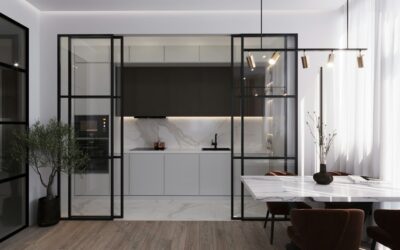
- Frameless or aluminum-frame: ultra-minimal, common in contemporary European kitchens
- Open-fret or mesh insert: a substitute for glass that adds texture and ventilation
For a subtle touch, use glass on just the two doors flanking a range hood or above open shelving, rather than an entire wall. Restraint often looks more intentional than glass everywhere.
Lighting Makes or Breaks It
Glass cabinets without lighting can look flat, even a little sad, at night. Adding light inside transforms them into a focal point. Puck lights or LED strip lighting mounted at the top of the cabinet interior wash the shelves in a warm glow that highlights whatever you display.
For the best effect, paint or wallpaper the cabinet interior in a contrasting color. A deep navy, soft sage, or warm white back panel behind clear glass, lit from above, turns a basic cabinet into a designer feature. This one trick is what separates custom-looking kitchens from builder-grade ones.
What to Display, and What to Hide
Glass fronts reward good editing and punish clutter. Reserve them for items you are happy to show and can keep reasonably neat.
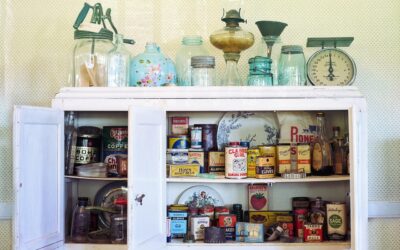
- Great choices: matching dishware, stemware, cookbooks, ceramics, and a few decorative pieces
- Keep behind solid doors: mismatched plasticware, small appliances, medicine, and pantry chaos
A helpful rule is to limit displayed colors to two or three so the shelves read as curated rather than random. Stacking dishes in tidy columns and grouping glasses by type instantly reads as more intentional.
Cost and Retrofitting Options
You do not need new cabinets to get the look. Many existing cabinet doors can be retrofitted by routing out the center panel and inserting glass, a job a local cabinet shop can do for $40 to $100 per door. Buying new glass-front doors to match your existing line runs $75 to $200 each depending on style.
If budget is tight, focus the glass on a single upper cabinet or a pair flanking the sink window. Even two glass doors in a strategic spot deliver most of the visual payoff at a fraction of the cost.
Care and Practical Considerations
Glass shows fingerprints and needs occasional wiping, so factor that into where you place it. Avoid glass fronts directly beside a cooktop where grease splatter is heavy, and keep them away from the busiest grab-and-go cabinet if you have young kids. Tempered or laminated glass is worth specifying in homes with children, since it resists breakage and holds together if shattered.
Placement Ideas That Work
Where you put glass cabinets matters as much as which glass you choose. The most reliable spots are the uppers flanking a window over the sink, which balance the composition, and the cabinets on either side of a range hood, which frame the cooking zone symmetrically. A single glass-front cabinet at the end of a run acts as a natural focal point.
Corner cabinets are another smart candidate, since a glass-front corner unit reads lighter than a solid one and shows off displayed pieces from two angles. In an open-concept kitchen that faces a living area, glass uppers soften the transition and make the kitchen feel more like furniture than utility. Avoid scattering single glass doors randomly, which looks accidental; instead, place them in balanced pairs or deliberate focal points.
Bringing It Together
The most successful glass cabinets share a few traits: the glass type suits how tidy the contents will be, the interior is lit and often color-contrasted, and the doors are used selectively rather than everywhere. Pull those levers together and you get a kitchen that feels custom and considered.
Smart kitchen cabinet glass door design is one of the highest-impact, lowest-cost ways to make a kitchen feel bright, open, and personal. Choose glass that matches your lifestyle, add interior lighting, and curate what goes on the shelves, and even a modest kitchen will look thoughtfully designed.