It happens to almost everyone eventually. A toddler flips the lock on the bathroom, a bedroom door clicks shut behind a curious child, or a privacy handle jams at the worst moment. Learning how to unlock an interior door without damaging it is a genuinely useful skill, and the good news is that most interior locks are privacy locks designed to be opened easily from the outside in exactly these situations. You usually do not need a locksmith or a drill, just a small tool and a minute of patience.
Part of our Windows & Doors guide — explore the full guide →
This guide walks through the common interior lock types and the fastest, least destructive way to open each one.
- Understanding Interior Locks
- The Pinhole Privacy Lock (Most Common)
- The Credit Card Method for Spring Latches
- Using a Screwdriver on Different Lock Types
- What to Do With a Keyed Interior Lock
- Removing Hinge Pins as a Last Resort
- Preventing Future Lockouts
- When to Call a Professional
- Helping a Child Who Is Locked In
- Understanding Different Latch Directions
- The Bottom Line
Understanding Interior Locks
Before you start, it helps to know that interior doors almost never use true security locks. Bedroom and bathroom doors typically have privacy locks, which are meant to signal “occupied” rather than to keep a determined person out. That is a safety feature, because it lets a parent reach a locked-in child quickly. Because of this, the built-in release mechanism is your first and best option.
Take a close look at the outside of the locked handle or knob. What you see there tells you which method will work.
The Pinhole Privacy Lock (Most Common)
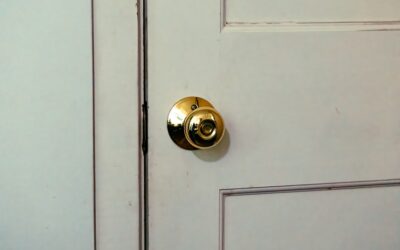
The vast majority of interior bedroom and bathroom locks are push-button or twist privacy locks with a small hole in the center of the outside knob. That little hole is your key. Behind it sits a simple release you can trip with any slim, rigid tool.
- Find a straightened paperclip, a small flathead screwdriver, or a specialized privacy key (often stored on top of the door frame).
- Insert the tool straight into the pinhole until it stops.
- For a button-style lock, push firmly and steadily until you feel or hear the lock pop open.
- For a slotted or turn-style lock, insert a flathead and rotate until the lock releases.
- Turn the knob and open the door.
This works on the great majority of interior doors and takes only seconds. If pushing does not release it, try rotating gently, since some models turn rather than push.
The Credit Card Method for Spring Latches
If the door has no lock engaged but the latch has simply stuck, or if it is a passage handle without a deadbolt, the classic card trick can free the spring latch. Note that this only works on angled spring latches, not on deadbolts.
- Choose a flexible plastic card you do not mind bending, like an old gift card rather than an actual credit card.
- Slide the card into the gap between the door and frame at the level of the latch.
- Angle the card toward the latch and push while wiggling and applying pressure to the door.
- Work the card behind the angled edge of the latch to force it back into the door.
- Push the door open as the latch retracts.
This method works best on doors that open away from you, where the latch’s beveled edge faces the gap. If the door is deadbolted, the card will not work and you will need another approach.
Using a Screwdriver on Different Lock Types
A small screwdriver is one of the most versatile tools for interior doors. How you use it depends on the lock.
Slotted Privacy Locks
Some privacy knobs have a straight slot instead of a round pinhole. Insert a flathead screwdriver into the slot and turn it a quarter turn, which mimics the inside thumb-turn and releases the lock.
Removing the Knob or Latch Plate
If the release will not budge, you can often remove the knob entirely. Look for small screws on the knob’s base plate (the rose). Unscrew them, pull the knob apart, and you can usually retract the latch manually with the exposed mechanism. This is more involved but avoids any damage to the door.
What to Do With a Keyed Interior Lock
Occasionally an interior door, such as a home office or a storage room, has an actual keyed lock. If you have lost the key, your options are more limited:
- Check for a master or spare key stored elsewhere in the house.
- Try bump or pick tools only if you are trained; otherwise you risk jamming the lock.
- Remove the hinge pins if the hinges are on your side of the door, which lets you lift the door off entirely.
- Call a locksmith for a keyed lock you cannot open, which is faster and cheaper than replacing a damaged door.
Removing Hinge Pins as a Last Resort
When the door opens toward you, the hinges are on your side, and that is a reliable backdoor. Place a flathead screwdriver under the head of each hinge pin and tap it upward with a hammer until the pin lifts out. Remove all the pins, then carefully pry the door away from the hinge side. Once free, you can access the latch. This method leaves the lock intact and is handy when the release simply will not cooperate.
Preventing Future Lockouts
A few simple habits keep interior lockouts from recurring:
- Store the small privacy key or a straightened paperclip on the top of the door frame where adults can reach it.
- Teach children how the lock works so a curious flip does not turn into a panic.
- For rooms where kids get locked in, consider a privacy lock that a child cannot easily engage.
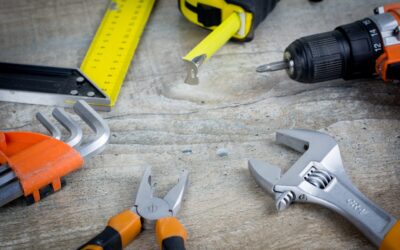
- Keep a small flathead screwdriver handy in a nearby drawer.
- Lubricate sticky latches with a dry graphite or silicone spray so they do not jam.
When to Call a Professional
If none of these methods work, the lock is a genuine keyed security lock, or you are worried about damaging a solid or expensive door, call a locksmith. A standard interior lockout is a quick, inexpensive service call, and it beats gouging or cracking a door in frustration. But for the typical bedroom or bathroom privacy lock, the pinhole trick will have you back inside in under a minute.
Helping a Child Who Is Locked In
The most stressful lockout is a young child accidentally locking themselves in a room. Stay calm and act quickly, because a scared child may not follow instructions well. First, reassure them through the door in a steady voice. If the door has a pinhole privacy lock, grab a paperclip or the small privacy key and pop it open from your side in seconds, which is exactly why these locks are designed the way they are. If the child is old enough, you can sometimes talk them through turning the lock themselves, describing the button or thumb-turn slowly.
To prevent a repeat, install privacy locks that children cannot easily engage, or place a rubber band or door-top guard that keeps young kids from latching the door. Some parents flip the privacy knob so the locking side faces the hallway rather than the room, removing the child’s ability to lock it at all. A little prevention spares a lot of panic later.
Understanding Different Latch Directions
Whether the door swings toward you or away from you changes which method works best, and knowing this saves time. When a door opens away from you, the angled face of the spring latch points toward the gap on your side, which is what makes the credit-card trick possible. When the door opens toward you, the latch bevel faces away, so the card method fails, but the hinges are on your side, making hinge-pin removal the go-to approach.
Take a moment to notice the setup before you start. Look at which way the door swings and where the hinges sit. Matching your method to the door’s configuration, card for outward-swinging spring latches, hinge pins for inward-swinging doors, pinhole release for privacy locks regardless of swing, gets you inside faster and with the least chance of damage.
The Bottom Line
Most interior doors are built to be reopened easily, so start with the least destructive method that matches your lock. Try the pinhole release first, reach for a card on a stuck spring latch, use a screwdriver on slotted locks, and fall back on removing the knob or hinge pins if needed. Keep a paperclip stashed above the frame, and you will never be stuck outside a bedroom or bathroom for long.