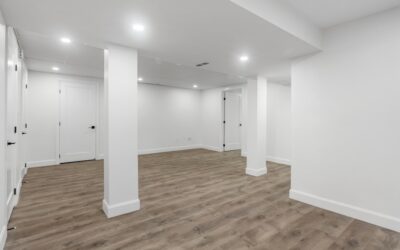
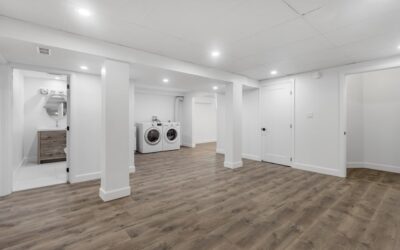
Basements are the most humid space in most homes because they sit below grade, surrounded by cool, damp soil. The ideal basement humidity level is between 30 and 50 percent relative humidity, with 50 percent being the practical upper target you want to hold in summer. Once you climb past 60 percent, you enter the danger zone where mold spores germinate, wood rot begins, and dust mites thrive. Getting this number right protects your foundation, your stored belongings, and your indoor air quality — and it costs far less to control humidity now than to remediate mold later.
Why 30 to 50 Percent Is the Target
Relative humidity measures how much moisture the air holds compared to the maximum it could hold at that temperature. The EPA and most building scientists recommend keeping indoor humidity between 30 and 50 percent throughout the home, and the basement is no exception. Below 30 percent, air feels dry and can aggravate wood flooring and trim shrinkage, though this is rare in a basement. The real fight is against high humidity.
Mold requires moisture, and most household mold species need a surface humidity above roughly 60 percent to grow. When basement air sits at 65, 70, or 80 percent — common in an unconditioned basement during a humid August — condensation forms on cool concrete walls, cold water pipes, and ductwork. That surface moisture is all mold needs. Holding the air at or below 50 percent gives you a safety margin so that even cooler surfaces stay below the mold threshold.
How to Measure Basement Humidity
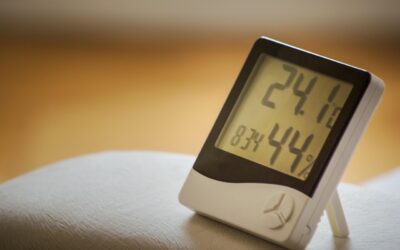
You cannot manage what you do not measure. Buy a digital hygrometer — a small $10 to $25 device that reads temperature and relative humidity. Place it in the middle of the basement, away from the dehumidifier, exterior walls, and any heat source, and let it acclimate for a few hours. For a fuller picture, set two or three units in different corners, since humidity varies across the space.
Check readings across seasons. Summer is almost always the worst because warm, moisture-laden outdoor air meets cool basement surfaces. Log the numbers over a week so you understand your baseline before spending money on equipment. Many hygrometers store minimum and maximum readings, which reveals overnight spikes you would otherwise miss.
What Drives Basement Humidity Up
Several sources feed basement moisture, often at the same time:
- Foundation moisture: Water vapor migrates through concrete walls and slab floors from the surrounding soil, especially without a vapor barrier.
- Poor grading and drainage: Soil sloping toward the house and clogged gutters push water against the foundation.
- Humid outdoor air: Opening basement windows on a muggy day actually adds moisture rather than removing it.
- Interior sources: Unvented dryers, showers, cooking, and even a poorly sealed sump pit release water vapor.
- Air leaks and rim joists: Warm humid air condensing on cool surfaces around the sill plate.
How to Lower and Hold the Right Level
A dedicated basement dehumidifier is the single most effective tool. Look for a unit rated for the square footage and for low-temperature operation — a 50-pint (in the older rating) or 30- to 35-pint (2019 DOE rating) capacity handles most basements up to about 1,500 square feet. Set it to maintain 45 to 50 percent, and run a condensate line to a floor drain or sump so you are not emptying a tank daily. Quality units cost $200 to $350 and use far less energy than fighting mold damage.
Beyond the dehumidifier, address the sources. Extend downspouts at least 4 to 6 feet from the foundation and regrade soil so it slopes away from the house at about 6 inches of drop over the first 10 feet. Insulate cold water pipes to stop condensation drips. Seal foundation cracks with hydraulic cement, and consider a vapor barrier on walls if moisture migration is heavy. Keep the dryer vented directly outdoors, and run a bathroom or laundry exhaust fan if the basement is finished.
Seasonal Adjustments
Humidity control is not set-and-forget. In summer, run the dehumidifier continuously and keep windows shut against humid outdoor air. In winter, basement humidity usually drops naturally as cold outdoor air holds less moisture, so you may be able to shut the dehumidifier off entirely and save energy. Watch for the opposite winter problem in tightly sealed homes — if humidity climbs and condensation appears on windows, you may need more ventilation. Recheck your hygrometer at each season change and adjust.
Dehumidifier Sizing and Settings
Matching the dehumidifier to the space matters. Under the 2019 DOE testing standard, capacities are rated lower than the older labels, so a unit marked 30 to 35 pints today is roughly equivalent to the old 50-pint rating. For a damp basement up to about 1,500 square feet, a 30- to 35-pint unit handles the load; for a large or very wet basement, or one over 2,000 square feet, step up to a 50-pint (new rating) model. Choose a unit specifically rated to operate at low temperatures, since basements often sit at 60 to 65 degrees Fahrenheit and cheaper models frost up and stop working in cool conditions.
Set the humidistat to hold 45 to 50 percent and let the unit cycle automatically rather than running it flat out. Route the condensate through a gravity-drain hose to a floor drain or into the sump pit so you never manually empty a reservoir. Keep the intake and exhaust vents clear of walls and stored boxes by at least a foot so air circulates freely, and clean the filter every few weeks. A well-sized, well-placed unit typically pulls the room from 70 percent down to the low 50s within a day.
Signs Your Humidity Is Too High
Even without a hygrometer, your basement will tell you when it is too damp. A persistent musty, earthy smell is the classic warning sign of mold or mildew. Look for condensation beads on concrete walls, cold pipes, or windows; rust on metal tools and appliance legs; white powdery efflorescence on masonry; and a clammy feel to fabrics or cardboard boxes. Any of these means you are likely above 60 percent and should act promptly before mold takes hold on drywall, framing, or stored items.
Frequently Asked Questions
What is the ideal basement humidity level in summer?
Aim for 45 to 50 percent relative humidity during summer, the most humid season. Because warm, moist outdoor air condenses on cool basement surfaces, holding air at 50 percent keeps even the coolest walls and pipes below the roughly 60 percent threshold where mold begins to grow.
Is 60 percent humidity too high for a basement?
Yes. At 60 percent and above, condensation forms on cool surfaces and mold spores can germinate within 24 to 48 hours. Treat 60 percent as a hard ceiling and take action — run a dehumidifier and address moisture sources — to bring readings back down toward 50 percent or lower.
Should I run a dehumidifier in the basement all year?
Usually only from spring through fall. In winter, cold outdoor air holds little moisture, so basement humidity often drops below 40 percent on its own and the dehumidifier can be turned off to save energy. Check a hygrometer each season and run the unit only when readings climb above 50 percent.
Can low basement humidity be a problem?
It can, though it is uncommon. Below 30 percent, air feels dry, wood trim and flooring can shrink or crack, and static increases. If a hygrometer reads under 30 percent, shut off the dehumidifier and the level will typically rebound to a comfortable range on its own.
How do I measure basement humidity accurately?
Use a digital hygrometer placed in the center of the room, away from walls, heat sources, and the dehumidifier. Let it acclimate a few hours and take readings at different times of day and across seasons. Multiple units in different corners give the most reliable picture of your basement’s true moisture profile.