A solid bifold hides a pantry or office completely, which is exactly why so many of them end up making a room feel smaller. Interior bifold doors with glass fix that by letting light pass between spaces while still closing off clutter, noise and cooking smells. The catch is that glass changes three things at once: how much privacy you get, how heavy each panel becomes, and what kind of hardware and glazing the door needs to stay safe for years of daily use.
Part of our Windows & Doors guide — explore the full guide →
Here is the quick answer. Frosted or textured glass is the right pick for pantries, laundry nooks and home offices where you want light without showing what is behind the door. Clear glass suits dining rooms, sunrooms and den openings where the view through is the point. Stained or decorative leaded glass works as a design feature in entryways and formal rooms, though it costs more and adds weight. In every case, the glass should be tempered or laminated safety glazing, and the track and pivots should be rated for the heavier panel.
- Where Interior Bifold Doors With Glass Make Sense
- Frosted, Clear and Stained Glass Compared
- Panel Styles: Shaker, Full-Lite and Divided Lite
- Safety Glass and Weight: What to Check Before You Buy
- Measuring the Opening and Choosing Sizes
- Installation Steps for Glass Bifold Doors
- Handling Glass Safely During the Project
- Troubleshooting Common Problems
- Typical Costs
- When to Call a Pro
- Frequently Asked Questions
Choosing well comes down to matching the glass type to the room, sizing the opening correctly, and upgrading hardware so the doors glide instead of sag.
Where Interior Bifold Doors With Glass Make Sense
Bifolds fold in on themselves, so they need far less swing clearance than a hinged door. That makes them a natural fit for wide openings in tight floor plans. Adding glass turns them from a storage cover into a room divider, and several spots in a typical house benefit from that shift.
- Pantries: A frosted panel brightens a dark walk-in or reach-in pantry and makes the kitchen feel larger, while hiding cans and cereal boxes.
- Home offices: Glass bifolds close off a converted den or alcove for calls, yet keep a sightline to the rest of the house. Textured glass gives privacy on video calls.
- Dining rooms: Clear glass bifolds between a kitchen and dining room let you close off cooking noise during dinner without walling off the view.
- Laundry closets: Frosted glass hides the machines but keeps a hallway from feeling like a corridor of blank doors.
- Sunrooms and three-season porches: Clear or lightly reeded glass passes daylight deep into the house.
They are a weaker choice for bedroom closets, where privacy matters and light through the door adds little, and for any opening where young children or large dogs will lean on panels regularly. A glass bifold can handle normal use, but it rewards a household that treats it gently.
Frosted, Clear and Stained Glass Compared
Glass is not one product. The finish you choose sets the privacy level, the cleaning routine and much of the cost.
| Glass type | Privacy | Best rooms |
|---|---|---|
| Clear | None | Dining, sunroom, den |
| Frosted (acid-etched or sandblasted) | High | Pantry, office, laundry |
| Reeded or fluted | Medium to high | Office, entry, dining |
| Stained or leaded | Medium | Entry, formal rooms |
Frosted glass bifold doors
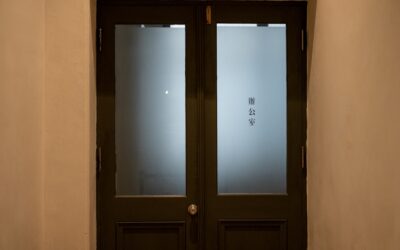
Frosted glass bifold doors are the most popular glazed version for good reason. Acid-etched glass has a smooth, satin face that diffuses light evenly and hides shapes almost completely when you stand more than a foot away. Sandblasted glass looks similar but has a slightly rougher surface that can hold fingerprints and grease, so face the smooth side toward the kitchen if the door is in a cooking area. Frosted film applied over clear glass is a budget option, but it can peel at the edges after a few years.
Clear glass
Clear panels maximize light and make two rooms read as one space. They show every smudge, though, so plan on wiping them weekly in high-traffic spots. Clear glass also shows exactly what sits behind the door, which rules it out for most storage uses.
Stained and decorative glass
Stained glass bifold doors bring color and pattern into a hallway or dining room, and they can echo a period style in an older home. True leaded stained glass is heavy and fragile, so most interior doors use stained glass laminated between two layers of tempered glass, or a decorative insert framed inside a tempered unit. That protects the art and meets safety glazing expectations. Expect these doors to cost noticeably more than plain frosted versions and to need heavier-duty hardware.
Panel Styles: Shaker, Full-Lite and Divided Lite
The frame around the glass matters as much as the glass itself. Shaker bifold doors with glass use a simple flat rail-and-stile frame around one large pane, which suits modern farmhouse and transitional kitchens. Full-lite doors push the glass almost to the edges for the maximum light. Divided-lite designs split the glass into several smaller panes with muntins, giving a traditional or French-door look.
Frames come in solid wood, engineered wood with a veneer, primed MDF, and aluminum. Solid and engineered wood frames can be painted or stained to match trim. Aluminum frames are slim and modern, very rigid, and resist warping in humid laundry rooms. Primed MDF is the least expensive, but it swells if it gets wet, so keep it away from laundry and bathroom openings.
Safety Glass and Weight: What to Check Before You Buy
Glass in a door is considered a hazardous location in residential building codes, which means it should be safety glazing. Look for a permanent etched mark in a corner of each pane indicating tempered or laminated safety glass. Tempered glass shatters into small, blunt pieces instead of sharp shards. Laminated glass holds together on a plastic interlayer when cracked. Either works; laminated also cuts sound a bit, which is a nice bonus for an office door.
Weight is the other concern. A hollow-core wood bifold panel might weigh 8 to 12 pounds. A glass panel of the same size can weigh 20 to 40 pounds depending on frame material and glass thickness. Standard closet bifold hardware is built for the lighter door and will wear out quickly under the heavier one, leading to sagging, binding and panels popping off the track.
Check the manufacturer’s maximum panel weight for the track kit, and choose a heavy-duty top track with ball-bearing rollers, a steel pivot bracket, and a bottom pivot that anchors firmly to the floor or jamb. Many glass bifolds are sold as complete systems with matched hardware, which is the safest route.
Measuring the Opening and Choosing Sizes
Bifolds come in standard widths, usually from 24 to 72 inches for a pair or set of four panels, and heights of 80 inches, with taller 96-inch options for newer homes. Measure the finished opening width in three places (top, middle, bottom) and use the smallest number. Measure height on both sides and in the middle, and again use the smallest.
Most bifold kits need about 1/2 to 3/4 inch of total width clearance and roughly 1 to 1 1/2 inches of height clearance for the track and floor gap. If your opening is out of square by more than 1/4 inch over its height, fix the framing or shim the jambs before installing a glass door, since glass panels tolerate twist much less than hollow wood panels. Also check that flooring transitions, like a thick rug or a raised threshold, will not block the bottom of the panels.
Installation Steps for Glass Bifold Doors
Installing a glass bifold is similar to a standard one, with extra care for weight and the glass itself. Plan on two people.
Tools and materials: tape measure, level, drill and bits, screwdriver, hacksaw for trimming the track, pencil, shims, work gloves, safety glasses, and the door kit with its heavy-duty track.
- Prepare the opening. Remove any old doors and hardware. Patch old holes and confirm the head jamb is level. Shim if needed.
- Cut and mount the top track. Trim the track to the opening width with a hacksaw if required, then screw it to the head jamb into solid wood. Use every screw hole for a glass door.
- Install the bottom pivot bracket. Plumb down from the top pivot point and fasten the bottom bracket to the jamb or floor.
- Prepare the panels. Lay the panels on a padded surface, glass side protected. Insert pivot pins and roller guides per the instructions.
- Hang the door. With a helper supporting the weight, seat the top pivot in the track, then lower the bottom pivot into its bracket. Engage the roller guide in the track.
- Adjust. Turn the height adjuster on the bottom pivot until the panels sit level with an even gap at the top. Adjust the top pivot sideways so the door stands plumb against the jamb.
- Add knobs and aligners. Install handles and, for a pair, an aligner bracket on the back so the two sets meet evenly when closed.
Handling Glass Safely During the Project
Glass panels deserve more respect than wood ones. Wear cut-resistant gloves and eye protection whenever you handle them. Carry panels upright on edge, never flat, and use two people for anything over about 30 pounds or taller than your arm span. Never flex a panel, set it down on its bare edge on a hard floor, or strike the edges with a tool, since edge damage is what usually makes tempered glass fail later. Lean panels against a padded wall on a folded blanket while you work. If a pane arrives chipped at the edge, return it rather than installing it.
Troubleshooting Common Problems
- Door sags or drags on the floor: Raise the bottom pivot height adjuster. If it keeps sagging, the track or pivot is overloaded; upgrade to heavy-duty hardware.
- Panels jump off the track: Check that the roller guide is fully seated and the track is screwed into solid framing, not just drywall.
- Uneven gap where two sets meet: Adjust the top pivots sideways and add or reposition the aligner.
- Rattling glass: The glazing strips or stops have loosened. Tighten them or add thin glazing tape around the pane.
- Squeaks: Clean the track and apply a dry silicone lubricant; avoid oil, which collects dust.
Typical Costs
Prices vary widely by size, frame material and glass finish, but some general ranges help with budgeting. Basic primed or engineered-wood bifolds with frosted glass usually land in the low to mid hundreds of dollars for a standard 36-inch opening. Aluminum-framed and solid-wood glass bifolds commonly run several hundred to over a thousand dollars. Stained or custom decorative glass can push a single opening well past that. Heavy-duty hardware kits add a modest amount on top if they are not included. Professional installation often adds a few hundred dollars per opening, more if the framing needs correction.
When to Call a Pro
Hire a finish carpenter or door installer if the opening is badly out of square, if the doors are tall or extra wide, or if you are ordering a custom stained glass unit where a mistake would be expensive. A pro is also worth it when you are widening an opening, since that can involve a new header in a bearing wall and may need a permit. For straightforward replacements in a sound opening, a careful DIYer with a helper can do the job in an afternoon.
Frequently Asked Questions
Are interior bifold doors with glass sturdy enough for daily use?
Yes, when they use tempered or laminated safety glass and heavy-duty track hardware rated for the panel weight. Most problems come from installing heavy glass panels on light closet hardware.
Which glass gives the most privacy on a bifold door?
Acid-etched frosted glass gives the most privacy while still passing light. Reeded and fluted glass are close behind and add texture, while clear glass offers none.
Can I add glass to an existing solid bifold door?
It is possible with a solid wood door by cutting an opening and installing a glazing kit, but it rarely pays off. Hollow-core doors cannot be converted, and buying a factory glass unit is usually cheaper and safer.
How do I clean frosted glass without leaving marks?
Use a soft microfiber cloth with mild soapy water or plain glass cleaner, then buff dry. Avoid oily or wax-based cleaners on etched glass, since they can leave dark streaks in the texture.
Do glass bifold doors need special hardware?
They need a track, pivots and rollers rated for the heavier panels. Look for ball-bearing rollers and steel pivot brackets, and fasten the track into solid wood framing.