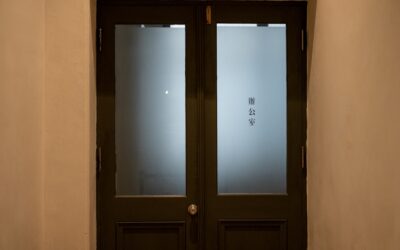
A prehung frosted glass interior door solves a common design dilemma: how to let natural light flow between rooms without sacrificing privacy. The frosted, textured, or etched glass diffuses light so a space feels bright and open, while obscuring the view so an office, bathroom, pantry, or bedroom stays private. Buying it prehung, meaning the door comes already mounted in its frame with hinges attached, makes installation dramatically easier than hanging a slab yourself. This guide covers privacy levels, sizes, materials, installation, and cost so you can choose the right frosted glass door for your home.
Part of our Windows & Doors guide — explore the full guide →
Because the door arrives as a complete, pre-assembled unit, a prehung frosted glass door is one of the more approachable interior door upgrades, delivering a modern, high-end look for a reasonable price. Let’s walk through the details.
- What "Prehung" Means and Why It Helps
- Understanding Frosted Glass Privacy Levels
- Common Sizes and Configurations
- Door Materials and Frame Options
- Best Rooms for a Frosted Glass Door
- Installation Overview
- Cost Expectations
- Common Mistakes to Avoid
- Design Styles and Where They Fit
- Maintenance and Long-Term Care
What “Prehung” Means and Why It Helps
A prehung door is a door already hung on hinges within a complete jamb (frame), sold as one unit. You install the whole assembly into the rough opening rather than mortising hinges and drilling a strike into a bare slab. This guarantees the door is square, swings correctly, and seals properly, which is especially valuable with a glass door where alignment matters for both looks and safe operation. The alternative, a slab door, is cheaper but requires you to reuse or build a frame and precisely fit the hardware, a much harder job.
Understanding Frosted Glass Privacy Levels
Not all frosted glass offers the same privacy, so match the obscurity to the room’s needs:
- Lightly frosted or reeded: Passes the most light but reveals shapes and movement. Good for closets, offices, and pantries where full privacy isn’t critical.
- Standard acid-etched or sandblasted: Blurs the view substantially while still glowing with light. A versatile middle ground for most rooms.
- Heavily frosted, laminated, or textured: Obscures nearly all detail, suitable for bathrooms and bedrooms where privacy is paramount.
- Patterned and decorative: Rain glass, seedy, or geometric textures add style while breaking up the view.
If privacy is the priority, choose glass that fully obscures silhouettes, and consider that backlighting (a lit room behind the door) reveals more than an unlit one.
Common Sizes and Configurations
Interior prehung doors come in standard widths of 24, 28, 30, 32, and 36 inches, with 80 inches (6 feet 8 inches) being the standard height. The 30- and 32-inch widths are the most common for room doors, while 24- and 28-inch fit closets and tight spaces. You will also specify the handing (left-hand or right-hand swing) based on which way the door opens and which side the hinges are on. Measure your rough opening carefully; a prehung unit needs the opening to be roughly 2 to 2.5 inches wider and taller than the door itself to allow for the jamb and shimming.
Door Materials and Frame Options
The frame and stiles around the glass come in several materials:
- MDF and primed composite: Affordable, smooth, and ready to paint, the most common choice for a clean modern look.
- Solid or engineered wood: Warmer and more traditional, can be stained to match trim, at a higher price.
- Steel or aluminum frames: For contemporary and industrial “French” style frosted doors with slim sightlines.
The glass itself should be tempered safety glass, which is required by code for many door applications because it shatters into small, blunt pieces rather than dangerous shards. Always confirm the glass is tempered, especially for a door that could be bumped.
Best Rooms for a Frosted Glass Door
Frosted glass doors shine wherever you want to borrow light without a clear view. Home offices benefit from the bright, open feel while keeping the workspace private for calls. Bathrooms and en-suites get daylight and privacy simultaneously. Pantries and laundry rooms look elevated and let a little light into windowless spaces. Bedrooms in loft-style or interior rooms gain light from a hallway. Closets and dens also work well. The one caution: for bedrooms and bathrooms, choose a heavily obscured glass so silhouettes don’t show.
Installation Overview
Installing a prehung door is a satisfying intermediate DIY project. The basic steps: remove the old door and trim, confirm the rough opening is the right size and the floor is level, set the prehung unit into the opening, and shim it until the frame is plumb, level, and square with consistent gaps (reveals) around the door. Check that the door swings freely and latches, then nail or screw the frame through the shims into the studs, being careful not to bow the jamb. Trim the shims, add casing (trim) around both sides, caulk, and paint. Because a glass door is heavier and less forgiving of a racked frame, take extra care to get the frame perfectly square before fastening.
If your opening is out of square, the floor slopes, or you are uncomfortable with finish carpentry, a handyman or carpenter can install a prehung door in an hour or two.
Cost Expectations
Prehung frosted glass interior doors range widely by material and style. Basic MDF-framed units with standard frosted glass run $150 to $350. Mid-range doors with decorative glass or wood frames cost $350 to $700. Premium steel-frame contemporary or French-style frosted doors reach $700 to $1,500 or more. Professional installation adds $100 to $300 per door for a straightforward swap, more if the opening needs modification. Compared with custom glass or full French door systems, a single prehung frosted door is an affordable way to bring light and style into a room.
Common Mistakes to Avoid
- Choosing glass that’s too clear for the room: Match obscurity to privacy needs, especially for baths and bedrooms.
- Wrong handing: Confirm left- or right-hand swing before ordering; it can’t be changed easily.
- Skipping the square check: A racked frame binds the door and stresses the glass.
- Assuming glass is tempered: Verify safety glass for code compliance and safety.
- Mismeasuring the rough opening: Too small won’t fit; too large leaves gaps hard to trim.
Design Styles and Where They Fit
Frosted glass doors come in a range of aesthetics, and choosing one that suits your home makes the upgrade feel deliberate rather than tacked-on. A full-lite door, where the glass fills nearly the entire panel, gives a clean, contemporary look and maximizes light transfer, ideal for modern offices and lofts. A one-lite or single-panel design with a painted MDF frame reads as transitional and blends into most homes. Divided-lite doors, with the glass broken into multiple panes by grilles, lend a classic French or Craftsman character that suits traditional interiors. Slim steel-frame designs deliver an industrial, urban look increasingly popular in renovated spaces. Consider the trim and doors already in your home; a frosted door that echoes their proportions and finish will look built-in, while one that clashes will stand out for the wrong reasons.
Maintenance and Long-Term Care
Frosted glass is refreshingly low-maintenance, but a few habits keep it looking its best. Clean the glass with a soft cloth and a mild glass cleaner; avoid abrasive pads that can scratch the etched or textured surface. Frosted and acid-etched glass hides fingerprints and smudges far better than clear glass, which is part of its appeal on a door people push open with their hands, but the smooth areas around handles still benefit from an occasional wipe. Keep the hinges lubricated so the heavier glass door swings smoothly, and check the strike alignment periodically, since a glass door’s weight can cause slight settling over time. If the frame was painted, touch up nicks promptly to protect the MDF from moisture. With this minimal care, a prehung frosted glass door stays beautiful and functional for the life of the home.
A prehung frosted glass interior door delivers the best of both worlds: it floods your rooms with soft, diffused daylight while preserving privacy, and it arrives ready to install as a complete unit. Match the glass obscurity to each room, confirm the size and handing, insist on tempered safety glass, and set the frame square. The result is a bright, modern, and private space that instantly feels more custom.