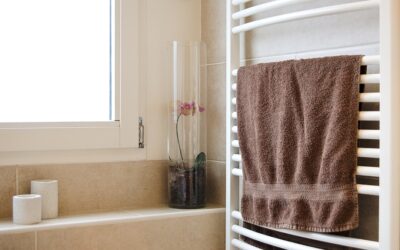
A KEENRAY towel warmer is one of those small luxuries that punches way above its price. Instead of grabbing a cold towel after a shower or bath, you wrap yourself in one that’s been warmed to a toasty, spa-like temperature. KEENRAY makes bucket-style (basket) warmers and slim towel-rack models, and most land between $100 and $170, which makes a KEENRAY towel warmer an easy upgrade that doesn’t require any plumbing or hardwiring.
In guest bathrooms and master suites, the appeal is immediate. Below are the model styles, the specs that matter, how to actually use one, and the safety habits that keep it running for years.
Bucket-Style vs. Rack-Style Warmers
KEENRAY’s most popular design is the bucket or basket warmer. It’s a tall cylindrical bin, roughly 18 to 20 inches high, that heats from the interior walls. You coil a large towel inside, close the lid, and the enclosed space traps heat evenly. The big advantage is capacity and warmth. A bucket unit holds two large bath towels, or one oversized towel plus a robe, and because the heat is contained, it gets warmer than an open rack.
The rack-style option is a wall-mounted or freestanding bar system. It looks sleeker in an open bathroom and can hold a towel flat, but open racks lose heat to the room, so they warm more gently. For pure toasty output, the bucket wins. For a permanent, furniture-like fixture, the rack has the edge.
Capacity, Wattage, and Heat-Up Time
The bucket models run on about 200 to 300 watts, which is why they warm quickly without spiking your power bill. Here’s what to expect in practical terms:
- Capacity: The standard bucket fits towels up to roughly 40 by 70 inches, or two 27-by-54-inch bath towels rolled together.
- Heat-up time: About 10 minutes for a warm towel, 15 to 20 minutes for a genuinely hot one. Start it when you turn on the shower and it’s ready when you step out.
- Peak temperature: The interior reaches a warm 130°F to 140°F range, hot enough to feel luxurious but not scorching.
- Power draw: At around 0.25 kWh per hour, running it 30 minutes a day costs just a few dollars a year.
The Built-In Timer Is the Best Feature
Most KEENRAY buckets include a timer, and it’s the feature everyone should use. You can set it for 15, 30, 45, or 60 minutes so the unit shuts itself off automatically. This does two things: it protects the towels and internal parts from running all day, and it lets you preheat on a schedule. Set it for 30 minutes before your morning routine and you never touch a cold towel again.
If your model has the timer, get in the habit of using it rather than leaving the warmer on the always-on setting. It’s safer and it extends the life of the heating element.
How to Use It, Step by Step
There’s nothing complicated here, but a few habits get you the best results:
- Place the warmer on a flat, dry surface within reach of a standard 120V outlet. No installation or tools needed.
- Roll or fold a clean, dry towel and lower it into the bucket. Damp towels warm more slowly and can develop a musty smell over time.
- Close the lid fully so the heat stays trapped inside.
- Set the timer for 15 to 20 minutes for maximum warmth, or 10 minutes for a gentle heat.
- Pull the towel out just before you need it, and enjoy.
One tip: warm robes, blankets, and even pajamas in it, not just towels. In winter, a warmed robe waiting for you after a bath is genuinely wonderful.
Safety Habits That Matter
These units are built with safety in mind, but electric heat plus fabric always calls for common sense. Follow these rules and you’ll never have an issue:
- Only put dry or slightly damp towels inside. Never use it to dry a soaking-wet towel.
- Keep it on a hard surface, away from the edge of a counter or tub. Never place it on carpet or bedding.
- Use the timer, or unplug it when you leave the house. Don’t run it unattended for hours.
- Plug it directly into a GFCI-protected bathroom outlet, not a flimsy extension cord.
- Let towels cool a moment if they feel too hot against sensitive skin, especially for kids or older adults.
Placement and How It Compares to Wall Racks
Placement changes how much you actually use one of these. Set the bucket within arm’s reach of the shower or tub, on a counter, shelf, or sturdy stool, so you can grab the warm towel the moment you step out. If it lives across the room, you’ll skip it on busy mornings. The unit needs a standard 120V outlet, so plan around your existing bathroom receptacles, which should be GFCI-protected. Leave a few inches of clearance around the vents if your model has them, and don’t wedge it into a tight cabinet where heat can’t escape. In a small powder room, the compact footprint (roughly a foot across at the base) tucks into a corner easily. In a larger master bath, some people keep two, one for towels and one loaded with a robe.
It’s also worth understanding what you’re giving up and gaining versus a permanent heated towel rack. Hydronic and hardwired electric racks mount to the wall, warm gently across a wide surface, and double as a fixture. But they cost $400 to $1,200 installed, often need an electrician or a plumber, and can’t move. A KEENRAY bucket costs a fraction of that, needs zero installation, and delivers hotter, more enveloping heat because it traps warmth in an enclosed space.
The tradeoff is capacity and aesthetics. A wall rack holds several towels and looks built-in; the bucket handles one or two towels and sits on the floor or counter. For renters, small bathrooms, or anyone who wants warmth without a project, the plug-in bucket is the smarter pick. For a high-end remodel where you want a permanent fixture, the rack still has its place. The nice part about the bucket is that nothing is permanent: if you move, you unplug it and take it with you, and you can test it in a spot for a week before committing to where it lives.
Cleaning and Care
Maintenance is minimal. Wipe the interior with a dry or barely-damp cloth once a week to catch any lint. Because you should only load dry towels, moisture buildup is rarely an issue, but if you live somewhere humid, leave the lid open between uses so the interior stays dry. Never submerge the unit or spray cleaner directly inside; the heating components live in the walls of the bin.
Check the power cord occasionally for any nicks or wear. If the cord is damaged, stop using the warmer, since you can’t safely repair a heating appliance cord at home.
Is a KEENRAY Towel Warmer Worth Buying?
For around $100 to $170, this is one of the best comfort-per-dollar purchases in a bathroom. There’s no plumbing, no electrician, and no permanent commitment. You plug it in, and within 15 minutes you have a warm towel waiting. Compared to a hardwired hydronic towel rack that can run $400 to $1,200 installed, the bucket-style unit delivers most of the cozy payoff for a fraction of the cost.
The people who love these most are anyone in a cold climate, households with young kids who dread getting out of the bath, and older adults who feel chills more sharply. If you want a permanent, furniture-grade look and only need gentle warmth, consider the rack style. But if your goal is a genuinely hot, enveloping towel on demand, the bucket-style warmer is the one to buy. Pair it with the timer habit and it’ll serve you reliably for years.