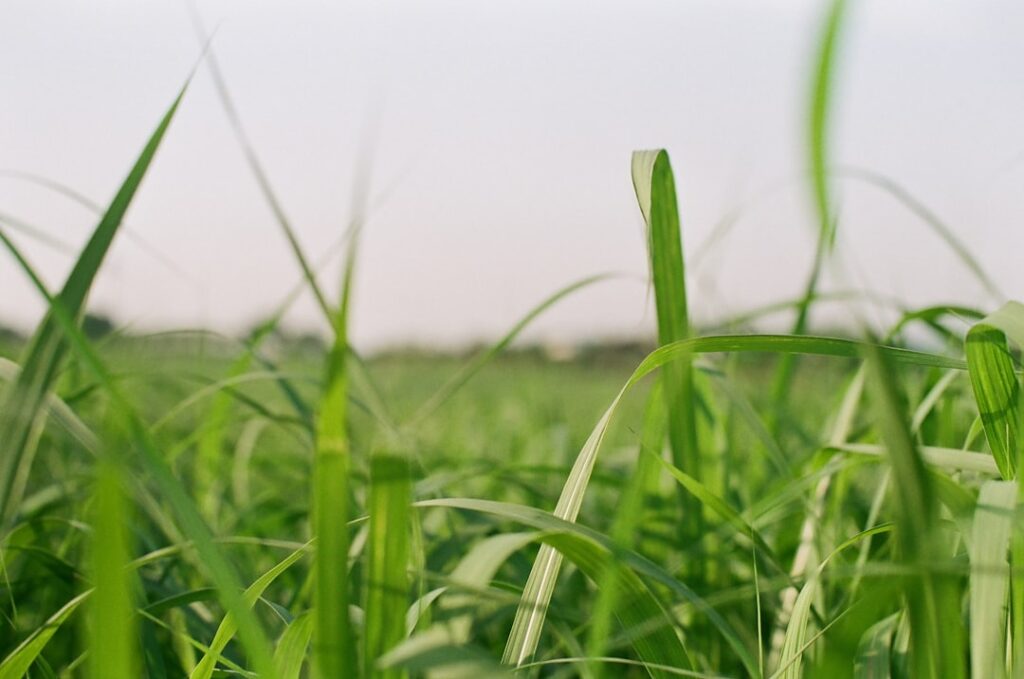
If you want a lawn that stays thick, chokes out weeds, and shrugs off summer heat, Korean grass deserves a spot on your short list. The name usually refers to two zoysia species: Zoysia japonica, sometimes called Korean lawngrass, and the finer-bladed Zoysia tenuifolia, known as Korean velvet grass. Both grow low and dense, but they behave very differently in your yard. Get the species right and you will spend fewer weekends mowing and almost none of them fighting crabgrass.
Homeowners are drawn to it for a specific reason. In an era of watering restrictions and busy weekends, a grass that survives on rainfall and asks to be mowed only a handful of times a month is genuinely appealing. It also stands up to backyard traffic better than most fine-textured lawns, springing back from foot traffic, pets, and play without the bald spots that plague thinner turf. The catch, as with any plant, is that all of this depends on planting the right species in the right place and giving it a season or two to establish. Understand what you are working with before you buy a single plug, and you will avoid the disappointment that sends so many first-time zoysia owners back to the garden center. The sections below walk through exactly where it thrives, how to plant it, and how to keep it dense and green year after year.
What Korean Grass Actually Is
Zoysia is a warm-season, sod-forming grass native to East Asia. Zoysia japonica has the broadest blades and the best cold tolerance, surviving down to USDA zone 5 in a protected spot. Zoysia tenuifolia is the mounding, no-mow ground cover you see spilling over rocks in coastal California gardens, but it only reliably overwinters in zones 8 through 10. The plants spread by both stolons above ground and rhizomes below, so they knit into a carpet that few weeds can penetrate.
Here is the trade-off nobody tells you up front. Zoysia is slow. A plug lawn can take two full growing seasons to fill in completely, and during establishment you will need patience. Once it is dense, though, it is one of the lowest-maintenance turf types you can own.
Where It Grows Best
Korean grass thrives in full sun and tolerates light shade better than bermuda but worse than St. Augustine. Plan on at least six hours of direct sun for a tight, healthy stand. It loves heat, going lush when daytime temperatures sit between 80 and 95 degrees Fahrenheit, and it goes dormant and tan once soil temperatures drop below 55 degrees. That winter dormancy is normal, not death, though it makes zoysia a poor pick if you want green turf twelve months a year in a cold climate.
Soil should drain well. Zoysia handles a pH range of 6.0 to 7.0 and shrugs off sandy or clay soils as long as water does not pond. Coastal gardeners like it because it tolerates modest salt spray.
Planting Korean Grass
Because zoysia seed is slow and unreliable, most people establish it from plugs or sod. Late spring through early summer is the ideal window, when soil temperatures are reliably above 65 degrees and the grass has a full season to root before frost.
- Sod: Fastest route to a finished lawn. Lay pieces tight, stagger the seams like brickwork, and roll to press roots into contact with the soil.
- Plugs: The budget option. Space 2-inch plugs 6 to 12 inches apart. Closer spacing fills in faster but costs more. Expect full coverage in one to two seasons.
- Seed: Only Zoysia japonica sells as seed. Sow at about 1 to 2 pounds per 1,000 square feet, keep the top inch of soil constantly moist, and be prepared to wait 14 to 21 days for germination.
Whatever method you choose, prep the bed first. Kill existing weeds, till the top 4 to 6 inches, rake smooth, and water the area a day before planting so roots meet damp soil.
Watering and Mowing
New plugs and sod need daily watering for the first two weeks, roughly a quarter inch each morning, then taper to deep, infrequent soaks. An established zoysia lawn is remarkably drought-tough and gets by on about 1 inch of water per week, including rainfall. When it does dry out, it goes dormant rather than dying, greening up again after the next good rain.
Mowing height depends on species. Keep Zoysia japonica between 1 and 2 inches; the finer tenuifolia can be left unmowed as a shaggy carpet or trimmed to about three-quarters of an inch. Zoysia produces heavy thatch, so use a sharp blade and never remove more than a third of the leaf at once. A reel mower gives the cleanest cut on this dense, wiry grass.
Fertilizing and Thatch Control
Feed lightly. Zoysia needs only 2 to 3 pounds of nitrogen per 1,000 square feet across the whole growing season, split into applications from late spring through late summer. Stop feeding by early fall so you are not pushing tender growth into the first frost. Over-fertilizing zoysia is the fastest way to build the thatch layer that eventually smothers it.
Speaking of thatch, plan to dethatch or core aerate every two to three years once the lawn matures. A half-inch thatch layer is healthy insulation; anything thicker blocks water and invites fungus. Aerating in early summer, right at peak growth, lets the grass heal fast.
Common Problems
Korean grass is tough, but it is not bulletproof. Large patch, a cool-weather fungus, shows up as brown circular areas in spring and fall; improve drainage and ease off nitrogen to prevent it. Billbugs and grubs occasionally chew roots, leaving spongy patches that lift like carpet. And because zoysia grows slowly, any bare spot from digging or heavy shade takes a long time to recover, so protect the turf you have.
The one habit that trips up new owners is expecting a fast, seed-thick lawn. Zoysia rewards patience. Give it two seasons, mow it low and often, feed it lightly, and you will end up with turf so dense that weeds simply cannot find room to sprout.
Seasonal Care Calendar
Timing your maintenance to the grass’s growth cycle keeps a Korean grass lawn at its best. In early spring, as the turf breaks dormancy and greens up, apply a pre-emergent herbicide before soil temperatures reach 55 degrees Fahrenheit to block crabgrass, then rake out any winter debris. Hold off on nitrogen until the lawn is fully green, usually mid to late spring.
Summer is the growing season. Mow weekly, water deeply during dry spells, and split your light fertilizer applications across late spring through late summer. This is also the window to core aerate or dethatch if the thatch layer has crept past half an inch, because the grass is growing vigorously enough to heal fast. As fall arrives, stop feeding by early September so you are not pushing tender growth into frost, apply a fall pre-emergent for winter weeds, and let the lawn ease into its tan winter dormancy. Keep foot traffic light on dormant turf, since slow-growing zoysia is slow to repair damage.
How Korean Grass Compares to Other Lawns
Deciding whether zoysia is right for you is easier when you see it next to the alternatives. Against bermuda, Korean grass is slower to establish and slower to spread, but it tolerates light shade better and needs far less mowing and fertilizer once mature. Bermuda greens up faster in spring and recovers from damage quicker, which is why it dominates sports fields, but it is more aggressive and higher maintenance.
Compared with St. Augustine, zoysia has a finer texture, better drought tolerance, and takes foot traffic far better underfoot, though St. Augustine wins in heavy shade. Against cool-season fescue, Korean grass stays green in summer heat that scorches fescue but goes dormant and tan in winter, whereas fescue holds color in the cold. The bottom line is that zoysia suits a homeowner who wants a dense, low-input, drought-tough lawn in a warm climate and is willing to trade a longer establishment period and winter dormancy for years of easy upkeep. For a low-water, low-mow yard in a hot climate, few grasses match what Korean grass delivers once it settles in.