The choice between laminate and hardwood comes down to a simple trade-off: real wood character and long-term value versus budget-friendly performance and easy installation. This guide compares every factor that matters so you can make the right decision for your home.
Cost Comparison
Laminate: $2.50 to $8.00 per square foot installed. Materials run $1 to $5; labor $1.50 to $3. DIY installation is straightforward, potentially cutting total cost to $1 to $5 per square foot.
Hardwood: $8.00 to $20.00 per square foot installed. Materials run $5 to $12; labor $3 to $5. Site-finished hardwood adds $2 to $4 per square foot for sanding and coating.
For a 1,000-square-foot project, laminate saves $5,000 to $12,000 compared to hardwood.
Appearance
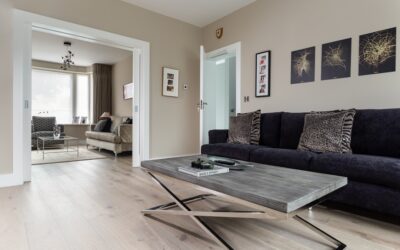
Hardwood wins on visual depth, tactile authenticity, and the way it interacts with light. Real wood grain has subtle color shifts, natural imperfections, and a warmth that changes character as the floor ages. Premium laminate with EIR (Embossed in Register) technology comes close but still lacks the depth of real wood when viewed closely. From across a room, the best laminate is nearly indistinguishable from hardwood.
Durability
Laminate: AC3 to AC5 laminate is extremely scratch-resistant — harder than most hardwood surfaces. It resists dents from chair legs and high heels better than soft hardwoods like pine or cherry. However, laminate cannot be repaired if the wear layer is breached; damaged planks must be replaced.
Hardwood: More susceptible to scratches, dents, and wear — especially softer species. However, hardwood can be sanded and refinished 3 to 7 times over its lifespan, essentially renewing the surface each time. With refinishing, hardwood lasts 50 to 100+ years.
Moisture Resistance
Laminate: Traditional laminate swells when exposed to standing water. Water-resistant options can handle spills for 24 to 72 hours. Newer waterproof laminate products address this weakness but cost more.
Hardwood: Vulnerable to water damage. Spills must be cleaned immediately. Not suitable for bathrooms, basements, or laundry rooms. Humidity fluctuations cause seasonal expansion and contraction, leading to gaps in winter and potential cupping in humid summers.
Neither is ideal for wet areas. For bathrooms and basements, LVP or tile are better choices.
Installation
Laminate: Floating click-lock installation. No nails, no glue, no special tools. Most homeowners can install a room in one day. Works over concrete, plywood, and existing hard flooring.
Hardwood: Typically nail-down or glue-down installation requiring specialized tools (pneumatic nailer, miter saw) and experience. Professional installation is recommended. Requires a wood subfloor for nail-down; concrete requires glue-down or floating engineered options.
Maintenance
Laminate: Sweep and damp mop. No waxing, polishing, or special cleaners needed. Avoid excess water and steam mops. Essentially maintenance-free.
Hardwood: Regular sweeping, specific hardwood cleaners, humidity control (35-55%), occasional refinishing ($3-5 per square foot every 7-10 years), and careful protection from furniture and pets. More work, but the payoff is a floor that can be renewed indefinitely.
Resale Value
Laminate: Neutral to slightly positive impact on home value. Buyers generally view laminate as a functional, budget-conscious choice rather than a premium feature. High-quality laminate is accepted but doesn’t command a premium.
Hardwood: Consistently ranks as the #1 most desirable flooring feature among home buyers. Real hardwood adds measurable resale value — typically $3 to $5 per square foot in return on investment. It’s one of the few home improvements that reliably returns more than it costs.
Sound
Laminate: Can sound hollow and produce more noise than hardwood, especially without quality underlayment. Thick (10mm+) laminate with attached padding minimizes this issue but doesn’t eliminate it entirely.
Hardwood: Solid and warm sound when properly installed. Nail-down hardwood produces less hollow sound than floating installations. Hardwood also absorbs sound better than laminate.
Environmental Impact
Laminate: Made from wood byproducts (HDF core) with melamine resins. Some brands use recycled content. Not biodegradable and difficult to recycle. Look for low-VOC certifications (FloorScore, CARB2).
Hardwood: A natural, renewable material when sourced responsibly (FSC certified). Biodegradable at end of life. Longer lifespan means less material in landfills over time. Can contain VOCs from finishes — water-based polyurethane minimizes this.
When to Choose Laminate
- Budget is the primary concern
- You want easy DIY installation
- Maximum scratch resistance matters (active kids, pets)
- You’re flooring a rental property
- You need a quick, clean installation with minimal disruption
- The room has a concrete subfloor and you don’t want to use glue
When to Choose Hardwood
- Resale value is important
- You want the authentic look and feel of real wood
- Long-term investment matters (50-100+ year lifespan)
- You prefer natural, renewable materials
- The home is higher-end and buyers expect hardwood
- You’re willing to invest in periodic refinishing
The Middle Ground: Engineered Wood
If you want real wood but need laminate-like installation ease, engineered hardwood bridges the gap. It features real wood on top, installs as a floating floor, costs less than solid hardwood, and works over concrete and radiant heating. It’s worth considering before making a final laminate-vs-hardwood decision.
Both laminate and hardwood have legitimate roles in home flooring. Laminate delivers remarkable value when budget matters; hardwood delivers lasting quality when you’re investing in your home for the long term. The right choice depends entirely on your priorities.
Prefer to explore on your own?
See how new flooring looks in your actual room in seconds — free, no signup.
Try the free Floor Studio →