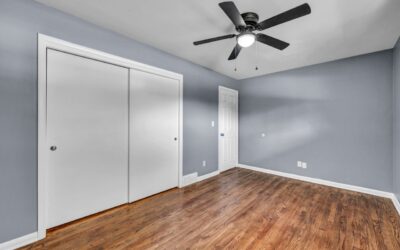
One of the most common questions homeowners ask today is whether to go with luxury vinyl tile or real wood, and the phrase LVT hardwood flooring captures that exact crossroads. LVT, short for luxury vinyl tile, has become so realistic that it convincingly imitates the look and texture of hardwood while offering waterproof performance that real wood cannot match. Yet genuine hardwood still holds advantages in feel, longevity, and resale value. This guide compares the two head-to-head so you can pick the right floor for your home, room by room.
What LVT Wood-Look Flooring Is
LVT is a multilayer vinyl product with a high-definition printed image protected by a clear wear layer. When designed to mimic wood, it comes in plank shapes with embossed grain textures that line up with the visual, producing a remarkably authentic hardwood appearance. The category includes rigid-core versions (SPC and WPC) that feel substantial and float over the subfloor with a click-lock system, plus flexible glue-down options. The defining trait across the line is that it is waterproof.
What Real Hardwood Offers
Genuine hardwood is exactly what it sounds like: planks milled from real wood, either solid boards or engineered planks with a real wood veneer over a stable core. It brings natural warmth, a substantial feel underfoot, and the unmatched character of authentic grain. Its standout feature is refinishing; solid hardwood can be sanded and refinished multiple times over its life, letting it last generations and adapt to changing styles.
Head-to-Head Comparison
- Water resistance: LVT is waterproof; hardwood is vulnerable to water and humidity.
- Durability: LVT resists scratches and dents well; hardwood scratches more easily but can be refinished.
- Cost: LVT is generally cheaper to buy and install than solid hardwood.
- Feel and authenticity: Hardwood has the genuine warmth and substance vinyl approximates but cannot fully equal.
- Resale value: Real hardwood carries stronger appeal with many buyers.
- Maintenance: LVT needs only sweeping and damp mopping; hardwood needs more care and periodic refinishing.
Cost Breakdown
As general installed market ranges, LVT typically runs about $4 to $9 per square foot, while solid hardwood lands around $8 to $15 per square foot and engineered hardwood often falls in between. LVT also tends to be more DIY-friendly thanks to floating click-lock systems, which can save on labor. Over the long term, however, hardwood’s ability to be refinished rather than replaced can shift the lifetime math in its favor for floors you plan to keep for decades.
Where Each One Shines
Neither floor wins everywhere. Choose based on the room and how you live:
- Kitchens, baths, basements, laundry: LVT, for its waterproof performance.
- Homes with pets and kids: LVT resists scratches, dents, and accidents with less worry.
- Formal living and dining rooms: Hardwood for warmth, character, and resale appeal.
- Whole-home consistency on a budget: LVT lets you run one waterproof look everywhere.
- Long-term forever homes: Hardwood, refinished over the years, can outlast vinyl.
Durability in Real Life
In a busy household, LVT often holds up better day to day. Its wear layer shrugs off scratches from pet nails and dropped objects, and spills wipe up without a second thought. Hardwood is more delicate; it scratches, dents under heavy furniture, and reacts to moisture and humidity swings. The crucial difference is recoverability. A scratched LVT plank must be replaced, while a scratched hardwood floor can be sanded and refinished to look new again. For a 10-year horizon LVT may stay nicer with less effort; for a 30-year horizon hardwood can be renewed.
Installation Considerations
LVT’s floating formats are among the easiest floors to install, often within reach of a confident DIYer, and they tolerate minor subfloor imperfections. Hardwood installation is more demanding, frequently requiring nailing or gluing, careful acclimation, humidity control, and an experienced installer to get tight, level seams. If you want a weekend DIY project, LVT has the edge; if you want the real thing done right, budget for professional hardwood installation.
Maintenance Over Time
LVT asks very little: sweep up grit, damp-mop with an approved cleaner, and use furniture pads. Hardwood needs more attention, including controlled indoor humidity, prompt cleanup of spills, gentle wood-safe cleaners, and refinishing every decade or two depending on traffic. For homeowners who want minimal upkeep, LVT is the lower-effort choice; those who do not mind the care often feel hardwood rewards it.
Resale Value and Buyer Perception
If you are thinking about eventual resale, the perception gap between the two materials is worth understanding. Real hardwood remains a recognized selling point that many buyers actively seek and will pay a premium for, particularly in higher-end homes and formal living spaces. LVT has gained enormous acceptance and rarely turns buyers off, especially when it is a high-quality product that looks convincing, but it does not command the same emotional appeal as genuine wood. That said, a worn or scratched hardwood floor can hurt a sale as much as help it, while clean, modern LVT presents well to budget-minded and practical buyers. For a forever home you plan to keep, hardwood’s lasting appeal wins; for a starter home or rental, durable LVT often makes more financial sense.
Environmental and Indoor Air Considerations
Some homeowners weigh sustainability and indoor air quality in the decision. Real hardwood is a renewable, natural material, and wood from responsibly managed forests carries a strong environmental story, plus it can be refinished for decades rather than replaced. LVT is a petroleum-based synthetic product, though many manufacturers now offer low-emission options. If indoor air quality is a priority, look for flooring certified for low volatile organic compound emissions, available in both reputable hardwood finishes and quality LVT lines. Either way, allowing new flooring to off-gas and ventilating the space after installation is good practice. Matching the material to your environmental priorities is one more factor that can tip the decision either way.
The Bottom Line
The choice between LVT and hardwood comes down to priorities. Pick LVT for waterproof durability, lower cost, easy installation, and minimal maintenance, especially in wet areas and active households. Choose real hardwood for authentic warmth, the ability to refinish for generations, and stronger resale appeal in formal living spaces. Many homeowners use both, running waterproof LVT through kitchens and baths while keeping hardwood in living and dining rooms. Match each floor to the room and your lifestyle, and you cannot go far wrong.
Prefer to explore on your own?
See how new flooring looks in your actual room in seconds — free, no signup.
Try the free Floor Studio →