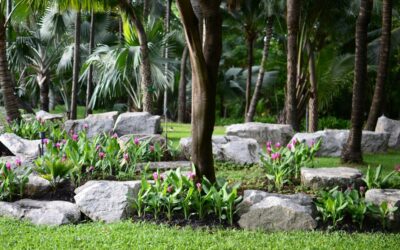
The dry, root-choked, shady ground beneath a mature tree is where most lawns give up and most homeowners get stuck. Search for landscaping under trees pictures and you will see gorgeous shade gardens, but pulling that off in real life means working with three tough constraints at once: deep shade, competition from tree roots, and soil that stays dry because the canopy blocks rain. The good news is that plenty of plants evolved for exactly these conditions, and with the right approach you can turn that bare, muddy patch into one of the most restful, layered corners of your yard.
- Why the Ground Under Trees Is So Difficult
- The Golden Rule: Protect the Roots and Flare
- Best Shade Perennials for Under Trees
- Ground Covers That Thrive in Dry Shade
- Design Ideas You Can Copy
- Mulch: The Easiest Under-Tree Solution
- Planting and Watering Tips for Success
- Matching Plants to the Amount of Shade
- Common Mistakes to Avoid Under Trees
- How to Pick Ground Cover Under Trees That Lasts
Why the Ground Under Trees Is So Difficult
Before choosing plants, understand what you are up against. The canopy intercepts sunlight, so anything below needs genuine shade tolerance. Established tree roots have already claimed most of the water and nutrients in that soil, and they leave little room to dig. The canopy also acts as an umbrella, so much of the rain never reaches the ground directly beneath it, this “rain shadow” keeps the area surprisingly dry even in a wet climate.
Fighting these conditions is a losing game. The winning strategy is to work with them: pick shade- and drought-tolerant plants, plant small to avoid cutting major roots, and add water and a little organic matter to compensate for the dry, hungry soil.
The Golden Rule: Protect the Roots and Flare
Every beautiful under-tree planting you have admired in pictures followed one non-negotiable rule: it did not harm the tree. That means no deep tilling, which severs the feeder roots the tree depends on, and never piling soil or mulch against the trunk. Adding more than an inch or two of soil over the root zone can suffocate roots and kill the tree slowly.
Keep the root flare, the base of the trunk where it widens, completely clear. When you plant, dig small individual holes for small plants and thread them between the big structural roots rather than slicing through them. If a spot is solid root, move over a few inches; do not force it.
Best Shade Perennials for Under Trees
These are the reliable performers that show up again and again in the prettiest shade gardens.
- Hostas: The backbone of shade gardening, with foliage from lime green to deep blue and variegated forms. Tough, long-lived, and available in sizes from 6 inches to 3 feet across.
- Ferns: Japanese painted fern, autumn fern, and ostrich fern bring airy texture and thrive in dry shade once established.
- Heuchera (coral bells): Grown for foliage in shades of caramel, burgundy, lime, and silver, adding color where flowers struggle.
- Astilbe: Feathery plumes of pink, white, or red for spots that hold a bit more moisture.
- Bleeding heart, hellebores, and brunnera: Early-season bloomers that light up the shade before trees fully leaf out.
Ground Covers That Thrive in Dry Shade
For a low, spreading carpet that knits together and smothers weeds, ground covers are the answer under trees. They also tolerate the shallow rooting depth the site allows.
- Vinca minor (periwinkle): Evergreen, fast-spreading, with small blue-purple flowers; excellent in dry shade.
- Pachysandra: A classic glossy evergreen carpet for deep shade under trees.
- Ajuga (bugleweed): Low mat of bronze-purple leaves with blue flower spikes in spring.
- Sweet woodruff: Delicate whorled foliage and white spring flowers, spreads politely in shade.
- Wild ginger and creeping Jenny: Both fill in shady ground quickly with distinctive foliage.
Design Ideas You Can Copy
Translating those “pictures” into a real design usually means layering and defining the space. Try these proven looks:
- The mulch ring plus specimen plants: The simplest, most foolproof design, a clean, wide ring of shredded hardwood mulch with a handful of hostas and ferns clustered around it.
- Woodland layers: Combine taller shade shrubs (hydrangea, azalea), mid-height perennials (astilbe, heuchera), and a ground cover carpet for a natural, three-tiered woodland feel.
- Shade island bed: Edge the whole under-tree area with stone or steel edging to create a defined island bed, which instantly makes the planting look intentional.
- Container groupings: Where roots make planting impossible, cluster shade-loving container plants on the mulch. This dodges the root problem entirely and is easy to change seasonally.
- Shade-tolerant color spots: Tuck in impatiens, begonias, or caladiums for seasonal color against the greens.
Mulch: The Easiest Under-Tree Solution
Sometimes the best “landscaping” under a tree is simply a well-kept mulch bed with a few plants, or none at all. Mulch conserves what little moisture the soil holds, suppresses weeds, moderates soil temperature, and looks clean. Spread 2 to 3 inches of shredded hardwood or bark mulch over the root zone, but pull it back 3 to 6 inches from the trunk, never mound it into a volcano against the bark. A wide, tidy mulch ring alone reads as deliberate and cared-for, and it is the single most tree-friendly option there is.
Planting and Watering Tips for Success
How you plant matters as much as what you plant. Start with small plants, quart or pint pots, because they need smaller holes and disturb fewer roots than large ones. Amend each planting hole with a little compost rather than tilling the whole bed. Plant in early spring or fall when temperatures are mild and stress is low.
Because the canopy blocks rain, watering is essential the first year, aim for the equivalent of an inch a week during dry spells until plants are established. A layer of mulch over the new plantings holds that moisture in. Once the shade garden is established, most of these plants become low-maintenance, needing only occasional watering in droughts and a spring cleanup.
The lush landscaping under trees pictures that inspired you are absolutely achievable, they just require respecting the tree, choosing plants built for dry shade, and planting small to protect the roots. Start with a clean mulch ring, add hostas and ferns, layer in a ground cover, and within a season or two that bare, difficult patch becomes the shady retreat every yard needs.
Matching Plants to the Amount of Shade
Not all shade is equal, and knowing which kind you have keeps you from planting something that will sulk. Dappled or light shade, the kind you get under a high-canopied, open tree like a honey locust or birch, supports the widest range of plants, including astilbe, bleeding heart, and many flowering perennials. Partial shade, a few hours of direct sun plus shade the rest of the day, opens the door to hostas, heuchera, hydrangeas, and even some blooming shrubs.
Deep or dense shade, found under low, thick canopies like maples and beeches, is the toughest. Here you should lean on the real workhorses: pachysandra, vinca, wild ginger, and ferns, plus hostas, which tolerate remarkably low light. Observe your spot across a full day before planting, note how many hours of direct sun, if any, it receives, and choose accordingly. Fighting the light level is the fastest way to a bed of struggling, leggy plants.
Common Mistakes to Avoid Under Trees
A few predictable errors sink most under-tree plantings, and steering clear of them is half the battle. The biggest is adding a thick layer of soil to create a raised bed over the roots; even a few inches of fill can suffocate the tree’s shallow feeder roots and kill it over a few seasons. Never build up soil against the trunk or over the root zone. The second mistake is planting large, root-bound specimens that require big holes and sever major roots, always start small and thread plants between the roots.
Other frequent missteps include choosing sun-loving plants that will never bloom in shade, forgetting that the dry rain shadow under the canopy means you must water regularly the first year, and mounding mulch into a volcano against the bark. Aggressive tilling to “improve” the whole bed is another killer, since it shreds the root system. Respect the tree, plant small, water faithfully, and keep soil and mulch off the trunk, and the shady patch that looked hopeless becomes exactly the layered, restful retreat the best landscaping under trees pictures promise.
One last piece of advice: start small and expand. Rather than trying to fill the entire area under a large tree in one season, plant a handful of hostas and ferns near the trunk the first year, see what thrives in your specific light and moisture, then add more the following spring. This lets you learn the site’s quirks without wasting money on plants that struggle, and it keeps root disturbance to a minimum by spreading the digging over time. The most beautiful shade gardens are almost always built gradually, one successful plant group at a time.
How to Pick Ground Cover Under Trees That Lasts
Choosing ground cover under trees means finding plants that handle three stresses at once: low light, dry soil and constant competition from roots. Grass usually thins out in these conditions, while the right low, spreading plants fill in and stay put. Rather than chasing a single favorite, look for traits that match what your site actually offers, then plant in a way that protects the tree.
Traits to Look For
The best performers share a few qualities. Shade tolerance comes first, so read plant tags for “part shade” or “full shade” and match that to how many hours of direct sun the spot really gets. Next, look for shallow, fibrous or creeping roots, since plants that spread by runners or surface stems can slip between tree roots instead of needing deep holes. Drought tolerance once established matters because the canopy blocks much of the rain. Evergreen types keep the ground covered through winter, while deciduous ones may offer showier spring flowers or brighter foliage. Native woodland plants from your region are often a strong starting point, since they evolved under similar canopies.
Planting Without Harming Roots
Tree feeder roots sit mostly in the top foot of soil, so keep digging to a minimum. Use small plants or plugs that need holes only a few inches across, and slide them into pockets between larger roots with a hand trowel. If you hit a root thicker than a finger, shift the hole over rather than cutting it. Skip tilling and avoid building a raised bed over the root zone, because adding several inches of soil can starve roots of air. Instead, mix a little compost into each small planting hole and let the spreading plants do the rest.
Keep Soil and Mulch Off the Trunk
Never pile soil, mulch or ground cover against the base of the tree. Bark that stays wet invites rot, fungal disease and insect damage, and mounded material can encourage roots to circle the trunk. Leave a clear ring of several inches around the root flare, where the trunk widens at the soil line. Spread mulch no deeper than 2 to 3 inches between new plants to hold moisture until they knit together, and pull it back as the ground cover fills in.
Watering and Spacing
Space plugs according to the tag; closer spacing fills faster but costs more. Water deeply during dry spells for the first year, since young ground cover competes with the tree for every drop. A soaker hose snaked between plants works well under a canopy.
Call 811 Before Digging
Even shallow planting can reach utility lines, and trees are often planted near service runs. Call 811 or file an online request a few days ahead so lines are marked for free, then hand dig near any flags.