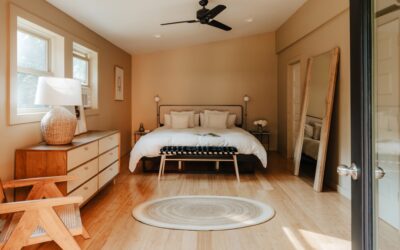
A large round rug is a designer’s secret weapon for softening a room full of straight lines. Where rectangular rugs reinforce the boxy shape of a space, a round rug introduces a gentle curve that breaks up the grid, draws the eye inward, and makes a room feel more inviting. Used well, it can define a seating area, anchor a dining table, or fill an awkward open corner with intention.
Choosing one is not quite as simple as picking a square footage, though. Round rugs interact with furniture and room proportions differently than rectangles, and getting the size and placement right is what separates a polished look from one that feels like a misplaced afterthought. This guide walks through everything you need to know.
Why Choose a Round Rug
The main reason is visual contrast. Most rooms are full of rectangles: walls, sofas, tables, windows, and bookshelves. A circular shape provides relief from all that linearity and creates a natural focal point. Designers often use round rugs to soften a room that feels too rigid or to add a sense of movement and flow.
Round rugs also shine in specific layouts. They work beautifully under round dining or pedestal tables, where the shapes echo each other. They are ideal for entryways, reading nooks, and round breakfast areas, and they can carve out a cozy zone within a larger open-plan space without the hard edges a rectangle would bring.
Getting the Size Right
Sizing is where most people go wrong. A round rug that is too small floats in the middle of the room and looks like a misplaced doormat. As a general rule, bigger is better, and the rug should relate to your furniture, not just the room.
- Under a round dining table – the rug should extend at least 24 inches beyond the table edge on all sides so chairs stay on the rug when pulled out. For a 48-inch table, that points to a rug around 8 feet in diameter.
- In a seating area – aim for the front legs of your sofa and chairs to rest on the rug, which usually means an 8-foot diameter or larger.
- In an entry or open zone – choose a diameter that fills the space generously, typically 6 to 8 feet, so it reads as intentional.
Common large sizes include 8-foot and 9-foot diameters, with some rooms calling for 10 feet or more. Measure your space and tape out the circle on the floor before buying so you can see how it interacts with traffic paths and furniture.
Choosing the Right Material
Material affects feel, durability, and upkeep, so match it to the room’s traffic and your lifestyle:
- Wool – soft, durable, naturally stain-resistant, and warm underfoot. A premium all-around choice for living and dining rooms.
- Cotton – lighter, often washable, and budget-friendly; great for casual spaces and easy cleaning.
- Jute and sisal – natural fibers with earthy texture; durable but rougher underfoot and better in low-moisture areas.
- Synthetics (polypropylene, polyester) – affordable, stain-resistant, and often suitable for high-traffic or indoor-outdoor use.
- Viscose and silk blends – luxurious sheen but delicate; best reserved for low-traffic, low-spill rooms.
For dining rooms, where spills are likely, a flat-weave or low-pile, easy-clean material is wise. For a plush reading nook, a thicker high-pile wool or shag feels wonderful underfoot.
Placement and Styling Tips
A round rug works best when it echoes or balances something in the room. Center it under a round table, a circular light fixture, or a curved seating arrangement to make the shape feel deliberate. In a square or boxy room, a round rug softens the corners; in a long narrow room, it can interrupt the tunnel effect and create a defined zone.
Keep the rug centered within its functional area and leave a consistent border of floor showing around it. If you are layering, a smaller round rug placed over a larger neutral rectangle adds depth and is a popular way to introduce pattern without overwhelming the room.
Color, Pattern, and Texture
Because a round rug naturally becomes a focal point, choose its color and pattern with the rest of the room in mind. A bold pattern or saturated color makes the rug the star, ideal in an otherwise neutral space. A subtle, tonal rug lets other elements shine while still adding warmth and softness.
Circular and radial patterns, like concentric rings or medallions, emphasize the round shape and feel intentional. Solid or lightly textured rugs read as calm and versatile, blending easily as your decor evolves. Consider the rug’s sightlines too, since a round rug is often viewed from multiple angles in open-plan rooms.
Care and Maintenance
Round rugs need the same basic care as any rug, with one quirk: they can be slightly harder to rotate to even out wear since there is no obvious “long” direction. Still, give yours a quarter turn periodically so foot traffic and sunlight do not wear or fade one section faster than the rest.
- Vacuum regularly, using gentle settings for high-pile or natural-fiber rugs.
- Use a quality non-slip rug pad cut to the round shape for safety and to reduce wear.
- Blot spills immediately rather than rubbing, and follow the manufacturer’s cleaning guidance for the fiber.
- Keep natural fibers like jute and viscose out of damp areas to prevent staining and mildew.
Cost and Buying Tips
Round rug prices vary enormously by size, material, and construction, so treat any figures as estimates. Large synthetic or machine-made rugs in the 8-foot range often start a few hundred dollars, while hand-knotted wool or larger premium pieces can cost considerably more. Because a large round rug is a focal point you will live with for years, it is usually worth investing in quality where your budget allows.
- Measure and tape out the diameter on your floor before buying so you can judge the scale in person.
- Check that the rug ships as a true circle and lies flat; some shapes arrive with curl that needs to relax.
- Factor in a round non-slip rug pad, which protects the floor and extends the rug’s life.
- Read the care label and match the fiber to the room before falling for a color or pattern.
Final Thoughts
A large round rug brings softness, flow, and a strong focal point to rooms that need relief from straight lines. The keys are simple: size it generously so furniture relates to it, match the material to the room’s traffic and spill risk, and place it so the circular shape feels intentional rather than accidental. Tape out the size before you buy, add a non-slip pad underneath, and you will end up with a piece that anchors the space and elevates the entire room.