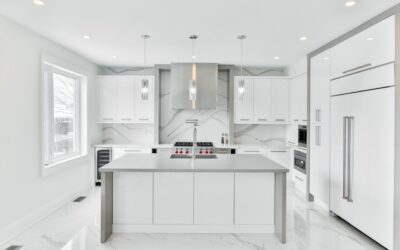
When you want the look of natural marble without the constant babysitting, an engineered surface is usually the answer, and laza quartz is one of the brands homeowners run into while shopping fabricators and slab yards. Like other engineered quartz, it’s built from roughly 90 to 93 percent ground natural quartz bound with resins and pigments, producing a hard, non-porous slab that performs consistently across the whole surface.
Part of our Countertops guide — explore the full guide →
Having worked with engineered quartz on countless kitchens and baths, I can tell you the appeal is straightforward: predictable patterns, no sealing, and strong resistance to the stains and etching that give natural marble a bad name in busy households. Here’s an honest, practical rundown of what to expect from this material before you sign a contract.
What Engineered Quartz Actually Is
Engineered quartz is not a slab cut from a single quarried block. Instead, natural quartz crystals are crushed, blended with resin binders and color pigments, then compacted under heat and pressure into uniform slabs. That manufacturing process is why laza quartz and its competitors deliver consistent color and pattern from one slab to the next, something natural stone can never promise.
The trade-off is character. Where granite gives you unrepeatable, one-of-a-kind movement, engineered quartz gives you control and predictability. Modern printing and veining techniques have narrowed the gap, and today’s marble-look quartz can be strikingly convincing, with veins that carry through the thickness rather than sitting only on the surface.
Pattern and Color Options
Most engineered quartz lines, this brand included, break down into a few broad families. Understanding them helps you match the surface to your kitchen’s style.
- Marble-look patterns: white and gray backgrounds with soft or bold veining that mimics Carrara or Calacatta marble.
- Solid colors: clean whites, warm creams, grays, and blacks for modern, minimalist kitchens.
- Speckled and granite-look: finer grained patterns that read as stone from a short distance.
- Concrete and matte tones: muted, industrial looks that pair with contemporary cabinetry.
Because color is added during manufacturing, the shade you see on a sample will closely match the installed slab, which removes a lot of the guesswork that comes with natural stone selection.
Thickness and Slab Specs
As with most engineered quartz brands, expect the standard thickness options to be the industry-typical 2 cm (about 3/4 inch) and 3 cm (about 1 1/4 inch). These figures are general to the category rather than a specific published spec for any one line, so confirm exact availability with your fabricator.
Choosing a Thickness
- 3 cm: the go-to for kitchen counters and islands; strong enough to run without plywood support in most spans and gives a substantial edge.
- 2 cm: common for bathroom vanities, backsplashes, and wall applications; often laminated at the edge to look thicker or set over a supportive substrate.
Slab sizes in this category generally run around 120 by 55 inches or larger for jumbo formats, which lets fabricators minimize seams on big islands. Ask to see the actual slab layout so you know where any seams will fall.
Durability and Everyday Performance
Quartz rates around 7 on the Mohs hardness scale, so the surface resists scratching from knives and cookware better than marble and most laminates. The defining advantage, though, is that engineered quartz is non-porous. It never needs sealing, and it won’t absorb wine, coffee, oil, or juice the way natural stone can if the seal fails.
The one real limitation is heat. The resin binders that make quartz non-porous can scorch or discolor if you set a hot pan directly on the surface. Always use trivets and hot pads. That’s the single most important habit to protect any engineered quartz counter, and it’s an easy one to build.
Performance Snapshot
- Stain resistance: excellent; non-porous surface wipes clean.
- Scratch resistance: very good; still use a cutting board to protect knife edges.
- Heat resistance: moderate; requires trivets, never direct hot cookware.
- Maintenance: minimal; no sealing ever required.
Care and Cleaning
Daily cleaning could not be simpler. Warm water, a soft cloth, and a few drops of mild dish soap handle everyday messes. For a deeper clean, a non-abrasive surface cleaner works well. Avoid abrasive scouring pads and harsh chemicals like bleach, oven cleaner, and high-concentration degreasers, which can dull the finish over time.
If something sticky or hardened lands on the surface, scrape it gently with a plastic putty knife rather than a metal blade. Because there’s no sealer to maintain and no porosity to worry about, upkeep is far lighter than natural stone, which is exactly why so many busy families choose quartz.
Warranty Considerations
Reputable engineered quartz brands typically back their material with a limited residential warranty, and in the industry these commonly range up to a lifetime limited warranty when installed by a certified fabricator. Rather than rely on any figure quoted secondhand, ask your supplier for the current written warranty document and read the fine print. Most warranties require professional installation, cover manufacturing defects, and exclude damage from heat, abuse, or improper cleaning.
Cost and Value
Engineered quartz generally lands in a similar price band to mid-grade granite. Expect installed pricing roughly in the range of $50 to $100 per square foot depending on pattern complexity, thickness, edge profile, and your local market.
Typical Cost Breakdown
- Material: $30 to $65 per sq ft for the slab.
- Fabrication and install: $20 to $40 per sq ft.
- Edge upgrades: $10 to $25 per linear foot for premium profiles.
- Cutouts: $100 to $250 per sink or cooktop opening.
For a typical kitchen with 40 to 55 square feet of counter, many homeowners spend $2,800 to $5,500 installed. Marble-look and heavily veined patterns tend to sit at the higher end.
Laza Quartz vs. Granite
Both are excellent surfaces, and the right choice depends on your priorities. Choose engineered quartz if you want zero sealing, consistent patterns, and a convincing marble look. Choose granite if you want maximum heat resistance and the unrepeatable character of natural stone.
- Maintenance: quartz wins; no sealing ever.
- Heat: granite wins; tolerates hot pans directly.
- Consistency: quartz wins; predictable color and pattern.
- Uniqueness: granite wins; no two slabs alike.
Installation and What to Expect
Engineered quartz is fabricated and installed much like granite, and it’s not a DIY material. Your fabricator templates the kitchen, cuts the slabs and any sink or cooktop openings at the shop, and then sets the tops on your cabinets. The whole process from template to installation typically runs one to two weeks, with the actual install taking a single day for most kitchens.
A few details are worth discussing up front. Ask where seams will fall, since a well-placed seam near a sink or corner is far less noticeable than one running across an open island. Confirm your cabinets are level and structurally sound, because quartz is heavy and unforgiving of a sagging base. And decide on your edge profile early, as it affects both cost and the finished look.
Seam and Overhang Tips
- Keep unsupported overhangs to about 10 inches for 3 cm material; beyond that, add corbels or steel supports.
- Request color-matched seam filler so joints nearly disappear.
- Position seams away from the most-used prep zone when the layout allows.
Frequently Asked Questions
Does it need sealing?
No. Engineered quartz is non-porous, so it never requires sealing. That’s one of its biggest advantages over natural stone.
Can I put a hot pan on it?
No. Always use a trivet or hot pad. Direct heat can scorch the resin binder and cause permanent discoloration.
Is it good for bathrooms?
Yes. Its non-porous surface resists cosmetics, toothpaste, and moisture, making it ideal for vanities and shower thresholds.
How long will it last?
With proper care and trivets, an engineered quartz counter can last decades and often carries a strong limited warranty when professionally installed.
The Bottom Line
For homeowners who want low-maintenance beauty, laza quartz offers the marble looks people crave with the durability and no-sealing convenience of engineered stone. Respect its one weakness by keeping trivets handy, confirm the exact thickness, warranty, and slab layout with your fabricator, and you’ll have a surface that stays looking sharp for many years with almost no upkeep.