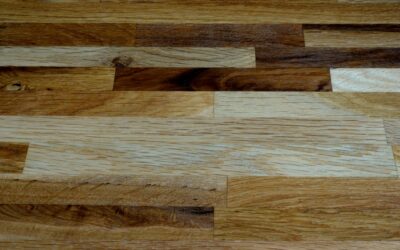
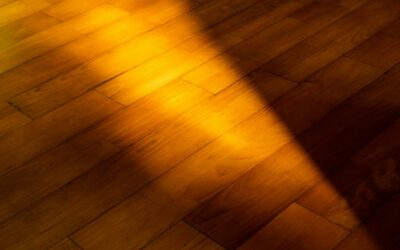
Lifeproof Dusk Cherry is a rigid core luxury vinyl plank with a warm, cherry-inspired wood look, an embossed grain and a low-gloss finish. The name suggests a deep red-brown, but product listings place it in a beige color family, and homeowners who have laid it next to other colorways in the line describe it as the lighter of the pair. In practice it reads as a warm, softly reddish wood rather than a dark, formal cherry.
Part of our Roofing guide — explore the full guide →
The standard click-lock plank is about 8.7 inches wide by 48 inches long (47.6 inches on some cartons), 7 mm thick, with a pre-attached pad. It has been listed with 6 mil and 22 mil wear layers under the same color name. If you want it in a kitchen or a room with pets, look for the 22 mil version.
- Lifeproof Dusk Cherry Specs and Pairing Table
- Understanding the Dusk Cherry Undertone
- Styling Dusk Cherry: Walls, Cabinets and Trim
- Pros and Cons of Lifeproof Dusk Cherry
- Installing Dusk Cherry the Right Way
- Troubleshooting and Care
- Cost to Buy and Install
- When to Call a Pro
- Lifeproof Dusk Cherry FAQ
Because its undertone is warm, Dusk Cherry is the colorway where wall and cabinet choices make or break the room. Shoppers who search for it as “life proof dusk cherry” are usually trying to answer two questions at once: what spec am I buying, and what will it look good with? Both are covered here, starting with a quick-reference table.
Lifeproof Dusk Cherry Specs and Pairing Table
These figures come from current listings for the click-lock versions. Several SKUs share the color name, so match the model number on the carton to the spec sheet before you order.
| Spec or pairing | Value | What it means |
|---|---|---|
| Undertone | Warm, cherry-inspired; listed in a beige color family | Lighter and softer than the name suggests |
| Plank size | About 8.7 in x 48 in (47.6 in on some cartons) | Wide plank look with fewer seams |
| Thickness | 7 mm including pad | Rigid enough to bridge minor subfloor flaws within tolerance |
| Wear layer | 6 or 22 mil depending on SKU | Choose 22 mil or more for kitchens, kids and pets |
| Finish | Embossed, low gloss | Softens glare and hides light dust |
| Coverage | About 20.1 sq ft per case, 7 planks | A 250 sq ft room needs about 14 cases with 10% waste |
| General price range | Roughly $3 to $5 per sq ft for material | Higher wear layers cost more |
| Best wall colors | Warm whites, creamy neutrals, muted greens | Lets the warm wood tone look intentional |
| Best cabinet colors | Cream, soft white, sage, deep navy | Contrast without fighting the red notes |
Warranty coverage is listed as lifetime residential, with commercial terms that vary by SKU. It covers materials only and applies only when the floor is installed and maintained according to the current installation instructions.
Understanding the Dusk Cherry Undertone
Every cherry-look floor carries some red or orange in it, and Dusk Cherry is no exception. The difference is intensity. Here the warmth is gentle, closer to a sun-faded cherry than a fresh, glossy one. Under warm 2700K bulbs that warmth comes forward and the floor glows; under cool daylight bulbs or north light it settles toward a tan-beige with a faint rosy cast.
That shifting quality is why photos mislead. Listing images, phone screens and showroom lighting all push it in different directions. A homeowner who expects a rich, dark cherry will be disappointed, while someone who wants a warm floor that is not orange or yellow oak is often pleased. Get a sample, lay it on the floor where the furniture will go, and look at it morning, afternoon and night.
Why the name and the color family disagree
Color names in flooring are marketing, not measurements. Retail color families are broad buckets, so “beige” here means the overall lightness sits in the light-to-medium range. The cherry part of the name describes the undertone and grain character. Treat both as hints and let a physical sample decide.
Styling Dusk Cherry: Walls, Cabinets and Trim
Warm floors look best when the room around them agrees with the warmth or offers a calm, deliberate contrast. Problems start when cool gray paint and stark white trim meet a warm floor, which can make the planks look pink.
- Walls: creamy whites, warm off-whites, soft wheat, light taupe and muted olive or sage greens all suit the floor. Avoid cool blue-grays and icy whites in rooms with a lot of floor showing.
- Kitchen cabinets: cream and antique white keep a traditional feel; sage green and deep navy painted cabinets give contrast without clashing. Wood cabinets in a different species can work if the tone is clearly darker or lighter than the floor; near-matches look like a mistake.
- Countertops: warm-veined quartz, cream granite and butcher block sit well. Stark white with cool gray veining can look cold beside the floor.
- Trim and doors: warm white trim is the safest choice. Stained trim needs to be clearly different or a very close match seen in person.
- Rugs and textiles: rust, terracotta, mustard, olive and cream all repeat the floor’s warmth; a navy or deep green rug gives a cool anchor.
- Hardware: brushed brass and oil-rubbed bronze suit the warm palette; matte black adds a modern edge.
Pros and Cons of Lifeproof Dusk Cherry
Pros
- Waterproof rigid core, so it suits kitchens, laundry rooms and bathrooms.
- Pre-attached pad: no separate underlayment purchase, and a quieter feel underfoot.
- No acclimation for residential installs, per the installation instructions.
- A warm look that is uncommon among the many gray and beige oak floors on the market.
- Approved for above-grade, on-grade and below-grade installs, including basements over tested concrete.
Cons
- Not a true dark cherry, which surprises buyers who go by the name alone.
- The warm undertone limits paint choices more than a neutral oak does.
- Multiple wear layers under one name make it easy to buy the wrong spec.
- Long sun exposure can fade or discolor the planks, according to the maker, so shade large windows.
- Stairs, walls, glue-down installs and non-climate-controlled rooms void the warranty.
Installing Dusk Cherry the Right Way
Dusk Cherry floats over the subfloor with a drop-and-lock joint. It must not be glued, nailed or screwed down. Follow these steps:
- Check what you are removing. Old sheet vinyl, tile or adhesive from before the 1980s should be tested for asbestos before you disturb it.
- Confirm flatness: 1/4 inch in 10 feet, no slope over 1 inch per 6 feet and no abrupt ridges.
- Test concrete moisture even though the plank is waterproof; the listed limits are 85% relative humidity or 8 pounds MVER.
- Open several cases at once and pull planks from each so color and pattern variation spreads evenly across the room.
- Leave a 1/4 inch expansion gap at walls, cabinets, tubs and other fixed objects.
- Score and snap cuts with a utility knife and straight edge, then back-cut the pad. A vinyl plank flooring cutter makes repeated crosscuts faster and cleaner.
- Stagger end joints at least 8 inches apart and vary them row to row.
- Add transitions for runs longer than 100 lineal feet and where the floor meets a different height.
Buy about 10% extra for cuts plus one spare case. Do not add a second underlayment, and keep the room between 50 and 100°F as the instructions require.
Troubleshooting and Care
The floor looks pinker than the sample. Check your bulbs. Swapping cool 5000K bulbs for 2700K to 3000K warm white usually pulls the tone back to the warm wood you expected. Cool gray walls can also exaggerate the red.
Joints are lifting or peaking. Something is pinning the floor: trim nailed into the plank, a heavy island on top or a door stop screwed through. Free it so the floor can expand and contract.
Visible scratches. Common on 6 mil planks in busy rooms. Use felt pads, entry mats and rugs. Clean with a dust mop, vacuum on a hard-floor setting and a pH-neutral cleaner. Skip wax, oil soaps and steam.
Fading near a window. UV exposure is the cause; add shades or UV film and rotate rugs.
Cost to Buy and Install
Expect roughly $3 to $5 per square foot for the planks, depending on wear layer, and roughly $2 to $5 per square foot for professional installation. Removal of old flooring, subfloor leveling, stair nosings and trim push the total up. A 250 square foot kitchen with simple prep typically comes to roughly $1,250 to $2,500 installed, before trim and transitions.
When to Call a Pro
Bring in an installer for uneven subfloors that need grinding or self-leveler, for concrete with high moisture readings, for large open layouts that need transitions planned, and for bathrooms where a toilet must be pulled and reset with a new wax ring. Suspected asbestos-containing flooring should be handled by a licensed abatement contractor.
Lifeproof Dusk Cherry FAQ
Is Lifeproof Dusk Cherry a dark floor?
No. Despite the name, it is listed in a beige color family and reads as a warm, light-to-medium cherry look rather than a deep red-brown.
What wall color goes with Dusk Cherry flooring?
Warm whites, creamy neutrals, soft taupe and muted greens work best. Cool blue-grays can make the floor look pink.
What size are Lifeproof Dusk Cherry planks?
The standard click-lock plank is about 8.7 inches wide by 48 inches long and 7 mm thick. Several SKUs share the color name, so check the wear layer on the carton.
Is Dusk Cherry waterproof?
The rigid core is waterproof, so spills will not swell the planks. Wipe up standing water promptly, since liquid can still reach the subfloor at the edges.
Does Dusk Cherry need underlayment?
No. A pad is pre-attached, and adding more underlayment can void the warranty.
Will Dusk Cherry match my cherry cabinets?
Rarely exactly. Aim for clear contrast, a noticeably lighter or darker cabinet, rather than a near-match, and compare a sample against a cabinet door in your own light.
Prefer to explore on your own?
See how new flooring looks in your actual room in seconds — free, no signup.
Try the free Floor Studio →